_____________________________________________________________________________________________________
Download a free 6 Minute English worksheet and transcript!
Try our free interactive quiz!
______________________________________________________________________________________________________
Try more episodes of 6 Minute English:
- Is breakfast the most important meal of the day?
- Did a civilisation exist on Earth before humans?
- Are we too fixated on protein?
______________________________________________________________________________________________________
Introduction
It makes our food tasty and our breath smelly, but what are some of the other uses of garlic...? Apart from warding off vampires, of course! Neil and Beth discuss this and teach you some new vocabulary.
This week's question
Which of the following varieties of garlic grew in the former USSR?
a) rocambole
b) fire
c) riesig
Listen to the programme to hear the answer.
Vocabulary
versatile
having many different uses or purposes
it's unimaginable
used to say that something is difficult to imagine because it's so good, bad, large, etc
ailment
illness or minor health problem
aphrodisiac
food or drink believed to increase sexual desire
abstain (from something)
choose not to do something
stimulate
encourage or cause to grow, develop or become active

TRANSCRIPT
Note: This is not a word-for-word transcript.
Neil
Hello, this is 6 Minute English from BBC Learning English. I'm Neil.
Beth
And I'm Beth. It smells delicious sizzling in oil and it's great for keeping vampires away, but don't eat it on a first date! I'm talking, of course, about garlic. Neil, do you like garlic?
Neil
Oh yes, I love garlic. I had a very garlicky meal last night.
Beth
Mmm, I know – I can smell it from here! Here is Jason Chan, an Australian chef who specialises in Asian cuisine, and Poul Erik Jensen, a Danish chef living in France, talking about their love of garlic to BBC World Service programme, The Food Chain:
Jason Chan
I love garlic because it's a versatile ingredient that can be used for cooking and offers various health benefits.
Poul Erik Jensen
We use it a lot and so from stocks to soups – and in vegetable dishes, meat dishes – there's very certain a clove of garlic in somewhere. Yeah, it's unimaginable not using garlic.
Neil
Jason loves garlic because it's versatile, meaning it can be used in many different ways. And Poul thinks cooking without garlic is unimaginable, meaning it's difficult to imagine because it would be so bad.
Beth
Love garlic or hate it, in this episode we'll be finding out more about this versatile, strong-smelling food. And, as usual, we'll be learning some useful new words and phrases as well.
Neil
And remember – you can find all the vocabulary from this episode on our website, bbclearningenglish.com. Now, Beth, I have a question for you. It's a little-known fact that of the 600 varieties of garlic, many grew only in the former Soviet Union and were unavailable in the West until the fall of communism in the 1990s. So, which of the following varieties of garlic grew in the former USSR? Is it:
a) rocambole,
b) fire, or
c) riesig?
Beth
Oh, I have no idea. I'm going to guess fire.
Neil
OK. We'll find out if you're right at the end of the programme. Garlic is much more than just a cooking ingredient. For centuries, garlic was an important food throughout ancient Egypt, Greece and Rome, as well as India and China. It was the Roman Empire that brought garlic to European countries like France. And everywhere garlic grew, it was praised for its health-giving powers.
Beth
Here, BBC presenter Rumella Dasgupta asks author and garlic expert Robin Cherry about garlic's medicinal uses, on BBC World Service's The Food Chain:
Rumella Dasgupta
And what kind of illnesses or conditions would they have treated, for instance?
Robin Cherry
Everything from cancer, scurvy, the plague, respiratory ailments… it was used as an aphrodisiac.
Neil
Garlic was used to treat respiratory ailments. An ailment is another word for an illness or minor health problem, so a respiratory ailment is an illness of the lungs.
Beth
In Ancient Greece, garlic was also used as an aphrodisiac – a food or drink believed to increase sexual desire. But interestingly, this was the same reason why some cultures avoided eating garlic altogether, including a religious group from India called Jains.
Neil
Yes, Jainism is an ancient Indian religion, like Hinduism and Buddhism, based on the idea of 'ahimsa', or non-violence. But unlike many Hindus and Buddhists, Jains' definition of non-violence includes plants and vegetables. Jains don't eat garlic because uprooting the plant kills both it and the soil ecosystem it grows in.
Beth
Here's Sonal Ved, a Mumbai-based cooking-show host and author of many books on Indian cuisine, explaining another reason why Jains avoid garlic to BBC World Service programme, The Food Chain:
Sonal Ved
According to Hinduism also, garlic is considered a food which is called a 'tamasic' food. It is believed to stimulate desire, passion, aggression. And that's why they abstain from eating those kinds of food: because it is believed to impact your spiritual growth and also your mental clarity.
Beth
Jains abstain from eating garlic. If you abstain from doing something, you choose not to do it. For example, you might abstain from tobacco or alcohol because you know they're bad for your health.
Neil
Like the Ancient Greeks, Jains believe that garlic stimulates sexual desire. The verb to stimulate means encourage it or cause it to develop and grow.
Beth
Modern medicine has confirmed some of these ancient beliefs about the health benefits of garlic, including reduced blood pressure and better gut health. OK Neil, isn't it time you revealed the answer to your question?
Neil
Yes, Beth. I asked you which variety of garlic grew in the former USSR.
Beth
And I said fire. Was I right?
Neil
You were absolutely correct.
Beth
Yay!
Neil
Fire or Georgian fire is a hot, white garlic from the Republic of Georgia in the former Soviet Union. OK, let's recap the vocabulary we've learned, starting with versatile, an adjective meaning to have many different purposes or uses.
Beth
The phrase, it's unimaginable is used to say that something is difficult to imagine because it would be so good or so bad.
Neil
An ailment is an illness or health problem.
Beth
An aphrodisiac is a food or drink believed to increase sexual desire.
Neil
If you abstain from something, you choose not to do it.
Beth
And finally, to stimulate means to encourage something or cause it to grow. Once again, our six minutes are up. If you've enjoyed this episode then head over to our website, bbclearningenglish.com, where you'll find a quiz and worksheet to practise the vocabulary you've learnt. See you again soon. But for now, it's goodbye!
Neil
Goodbye!
Next
Learn more about Food
Find an A-Z list of our programmes.
Try The Reading Room.
Latest 6 Minute English
Finding and eating wild food
Episode 251218 / 18 Dec 2025
Would you know how to spot a Death Cap mushroom?
How are horses helping to heal humans?
Episode 251211 / 11 Dec 2025
Could your next therapist be a horse?

What’s your favourite flavour of crisp?
Episode 251204 / 04 Dec 2025
Have you ever tried a crisp sandwich?

How are influencers affecting politics?
Episode 251127 / 27 Nov 2025
Do you follow politics on social media?

Do you have good dining etiquette?
Episode 251120 / 20 Nov 2025
What's the worst thing someone can do while eating?


Is breakfast the most important meal of the day?
Episode 251030 / 30 Oct 2025
Do you usually have a big breakfast, or do you skip it?

Did a civilisation exist on Earth before humans?
Episode 251023 / 23 Oct 2025
Have you ever heard of the Silurian hypothesis?
Are we too fixated on protein?
Episode 251016 / 16 Oct 2025
Is our enthusiasm for protein taking our attention away from other important food groups, like fibre?

What makes a good citizen?
Episode 251009 / 09 Oct 2025
Is a good citizen someone who votes and follows the law? Or is there something more to it?

Have you ever seen a whale?
Episode 251002 / 02 Oct 2025
How have humans treated whales throughout history?

The criminal trade in ancient objects
Episode 250925 / 25 Sep 2025
How are criminals making money from stolen artefacts?

Would you like a robot companion?
Episode 250918 / 18 Sep 2025
How would you feel if you shared your home with a robot?

What causes hearing loss?
Episode 250911 / 11 Sep 2025
As we get older, our hearing naturally gets worse. But what are the causes of this decline?

The joys of writing lists
Episode 250904 / 04 Sep 2025
Shopping lists, to-do lists, check lists – when was the last time you made, or followed, a list?

What's it like to be a twin?
Episode 250828 / 28 Aug 2025
What question would you most like to ask a twin?

What's your favourite snack?
Episode 250821 / 21 Aug 2025
Do you prefer healthy, homemade snacks... or modern, packaged goodies?

Grown-ups buying kids’ toys
Episode 250814 / 14 Aug 2025
Did you know that some adults play with children's toys too?


What is the manosphere?
Episode 250731 / 31 Jul 2025
Have you ever come across a so-called masculinity influencer on social media?
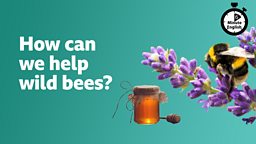
How can we help wild bees?
Episode 250717 / 17 Jul 2025
Did you know that many species of wild bees are endangered in the UK? What can we do to help?

Do you need to declutter your home?
Episode 250710 / 10 Jul 2025
Is your home neat and tidy? Or is it full of stuff you no longer need? You might need to declutter!

How do you say sorry?
Episode 250703 / 03 Jul 2025
Different cultures apologise in different ways. How do people say sorry where you are from?
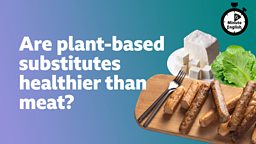
Are plant-based substitutes healthier than meat?
Episode 250626 / 26 Jun 2025
Processed meat has been shown to be bad for our health, but are plant-based meat substitutes any healthier?

How do babies communicate?
Episode 250619 / 19 Jun 2025
What does it mean when newborn babies wave their arms and legs about?

Can climate change affect our mental health?
Episode 250612 / 12 Jun 2025
Is your mental health being affected by climate change?

How important is politeness?
Episode 250605 / 05 Jun 2025
How would you greet somebody you didn't know?

What's your favourite kind of noodle?
Episode 250529 / 29 May 2025
How much do you know about noodles?

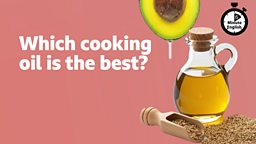
Which cooking oil is the best?
Episode 250515 / 15 May 2025
Are some cooking oils better for your health than others?
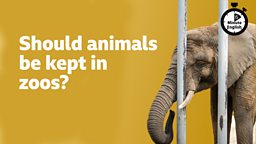
Should animals be kept in zoos?
Episode 250508 / 08 May 2025
Are zoos an important scientific resource, or an unnecessary abuse of animal rights?
Can cows prevent wildfires?
Episode 250501 / 01 May 2025
How are cows helping to prevent wildfires in Spain?

How climate change affects animal migration
Episode 250424 / 24 Apr 2025
How is climate change affecting animal migration?

Can AI solve crime?
Episode 250417 / 17 Apr 2025
Could artificial intelligence be used to solve a murder?


Are we getting more allergic to things?
Episode 250403 / 03 Apr 2025
Do you know anyone who has 50+ allergies?
Can we boost the immune system?
Episode 250327 / 27 Mar 2025
Can ginger shots, turmeric and cold water swimming boost your immune system?


Should we eat less rice?
Episode 250313 / 13 Mar 2025
Is it possible to grow rice in a more eco-friendly way?



Young women on social media
Episode 250220 / 20 Feb 2025
How do women in different countries experience the online world?

Rage bait: How online anger makes money
Episode 250213 / 13 Feb 2025
How do people make money from rage bait?


How the world learned to love fast food
Episode 250123 / 23 Jan 2025
How did fast food spread around the world?

Which country has the best schools?
Episode 250116 / 16 Jan 2025
How do you compare education systems?

Eating 50-year-old stew
Episode 250109 / 09 Jan 2025
Would you eat a stew that's been in a pot for 50 years?

Are you drinking enough water?
Episode 250102 / 02 Jan 2025
How much water do you drink every day? Is it enough?