Warnings over new year swims

 PA Media
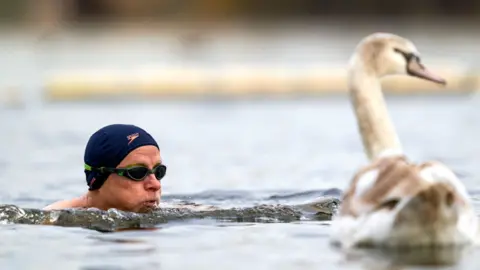
People planning New Year sea swims are being urged to think carefully before entering cold, rough water after two swimmers went missing on Christmas Day
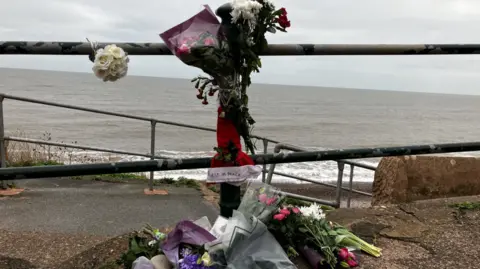
Two men - a man in his 40s and antiques dealer Matthew Upham, 64 - were reported missing from a swim at Budleigh Salterton in Devon.
The RNLI said winter sea temperatures of 6-10C (42.8-50F), far below the 15C (59F) point where cold water shock becomes a serious risk, could quickly turn a fun tradition into an emergency.
Gareth Morrison, the charity's head of water safety, said: "We are urging anyone entering the water to be aware of the dangers, check sea conditions carefully and to understand their own limitations."
The UK Health Security Agency (UKHSA) has issued an amber cold health alert for the south-west of England from 31 December at 20:00 GMT until 6 January at 10:00.
It said the forecast weather was likely to cause "significant impacts across health and social care services" and was likely to increase in demand for health services.
The Met Office has also issued a yellow weather warning for wind, snow and ice.
Almost 200 people died from accidental drownings in the UK in 2024, according to the National Water Safety Forum (NWSF).
Prof Mike Tipton, who chairs the NWSF and runs the Extreme Environments Laboratory at the University of Portsmouth, said: "People say it wakes them up, activates them. That's the fight-or-flight response."
He said a surge of stress hormones were triggered when a person entered icy water.
Prof Tipton said the body's "cold shock response" - gasping for air in the first seconds which can lead to inhaling water - accounts for about 60% of open-water deaths each year.
He added water temperature was only one consideration as beach conditions mattered too.
"You could quite easily have a tonne of water hitting you when you go into some of these sea states," he said and his advice was "if in doubt, stay out".
 Getty Images
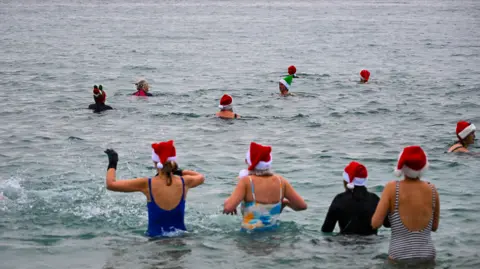
As in many places, at Gyllyngvase Beach in Cornwall the New Year's Day swim is a long-standing tradition.
Lois Leonard, from Gylly Bay Surf Lifesaving Club, said members of the surf club would be on the sand offering safety advice.
"We're not here to tell anybody whether it's safe to go into the water or not, and we're not here as a life-saving service," she said.
"We're here to give people water safety advice and help them understand the dangers and hazards involved."
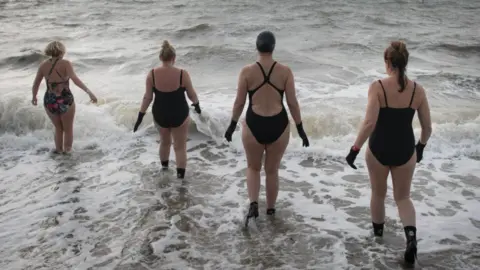
Her advice included going into the water slowly, splashing your body first, wearing a wetsuit and avoiding alcohol.
"Please, we don't want anybody running in and diving in, that really is very, very dangerous and can result in cold water shock," she said.
"If you're feeling worse for wear after a few drinks, give it a miss. The sea will be there another day."
 PA Media
Certain health conditions also make festive plunges risky, the Outdoor Swimming Society reminds people on its website.
Pregnancy, asthma and other respiratory issues can complicate the body's response to cold shock.
Heart conditions are especially dangerous because sudden immersion spikes heart rate and blood pressure, raising the risk of heart failure or stroke.
If you do take the plunge, preparation is key, the society said.
- Swim sober - even small amounts of alcohol and drugs can have an effect, so avoid drinking or taking any drugs when swimming
- Find an exit point - check there's a suitable exit point before you get into any water. In rivers, be particularly careful as currents are often faster than you think
- Know your swim spot - ask the locals about the best places to swim and read local hazard signs
- Know your limits - be aware of and honest about your own swimming fitness and ability outdoors
- Be aware of sudden changes in depth - check the depth and what's in the water before you get in
The RNLI offers particular advice for sea swimmers, including where possible to stick to lifeguarded beaches.
The NWSF's safety campaign, Respect the Water, advises people to call 999 if someone is seen struggling in the water.
Follow BBC Cornwall on X, Facebook and Instagram. Follow BBC Devon on X, Facebook and Instagram. Send your story ideas to [email protected].