Who makes political decisions in the UK?
Quick version
Many decisions about how the UK is run are made at the UK Parliament in Westminster.
The UK also has a number of devolved assemblies and parliaments with decision-making powers transferred from the UK Parliament:
- Scottish Parliament
- National Assembly for Wales
- Northern Ireland Assembly
- London Assembly.
Decisions about how Scotland is run made by the UK Parliament relate to reserved matters - areas that affect the whole UK and international relations and include:
- defence
- foreign affairs
- immigration
Decisions made by the Scottish Parliament relate to devolved matters - areas that affect Scotland only and include:
- education
- health
- law and order
Video - Devolved and reserved powers
Watch this video to find out which reserved matters the UK Parliament has power over, and which devolved matters are under the control of the Scottish Parliament.
Why are there two parliaments?
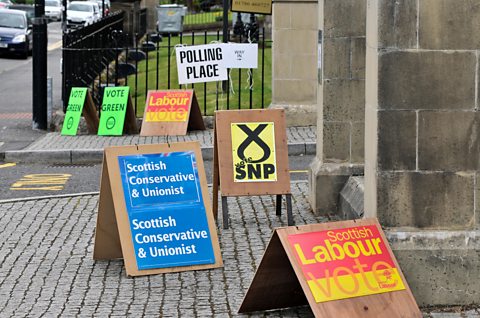
Scotland is a representative democracy, which means its citizens vote for individuals to represent them.
Everyone in Scotland is represented at two parliaments by MPs at the UK Parliament in Westminster and MSPs at the Scottish Parliament in Holyrood.
The UK Parliament has the power to make laws on reserved matters.
These include benefits and social security, immigration, defence, foreign policy, employment, trade and industry, broadcasting, energy, oil, coal, gas and electricity.
Data protection and the Constitution.
The Scottish Parliament has the power to make laws on devolved matters.
These include agriculture, forestry and fisheries education and training, environment, health and social services, housing, law and order, local government and many aspects of transport.
Since 2016, the Scottish Parliament has also had control over some tax and benefits.
In theory, the two parliaments have clearly separate responsibilities, but sometimes there is disagreement about the extent of their powers or the impacts of their decisions.
When this happens, it's up to the Supreme Court to judge who is right.
Learn in more depth
Keep going to learn about:
- The UK's devolved assemblies and parliaments
- What powers are devolved to the Scottish Parliament?
- What powers are reserved to the UK Parliament?
- How are disagreements about reserved and devolved powers addressed?
Then test how much you have learned.
What are the different devolved assemblies and parliaments in the UK?
Aside from the parliament at Westminster, the UK also has a number of devolved assemblies and parliaments with a host of powers transferred from the UK parliament.
Scottish Parliament
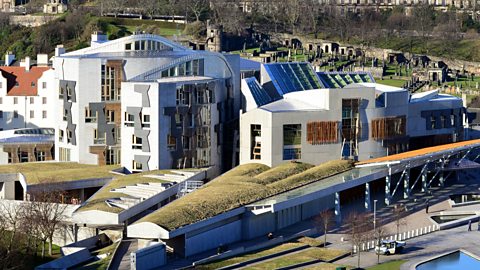
The 1997 Scottish Devolution Referendum returned a yes vote for the re-establishment of a Scottish Parliament.
When the new parliament convened in 1999, it was the first in Scotland since the signing of the Act of Union in 1707.
Welsh Parliament
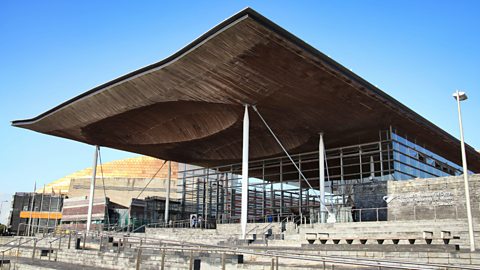 Image source, Tony Baggett / Alamy
As in Scotland, the Welsh Devolution Referendum in 1997 returned a vote for a Welsh assembly.
A further referendum in 2011 voted for increased law-making powers to be transferred from the UK Parliament.
In 2020 the National Assembly for Wales officially becomes the Senedd Cymru or Welsh Parliament, to reflect its full law-making powers and ability to vary taxes.
Image source, Tony Baggett / AlamyNorthern Ireland Assembly
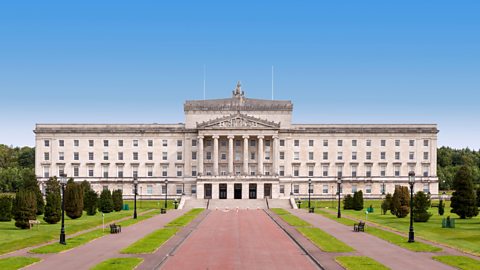
Northern Ireland has had a complicated history when it comes to running its own affairs. Home Rule came in 1921 before the parliament ended in 1972 during The time of unrest and violence in Northern Ireland between 1969 and 1998..
Over the years there were several failed attempts at restoring a devolved parliament before the 1998 Good Friday Agreement saw the creation of a new Northern Ireland Assembly.
London Assembly
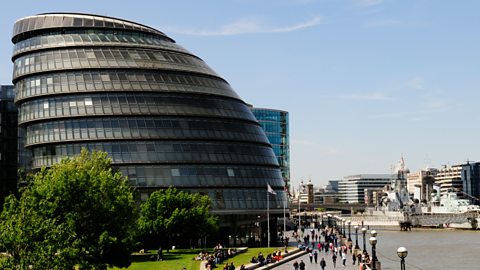 Image source, Alistair Laming / Alamy
The London Assembly is a body of 25 members elected by proportional representation to hold the London Mayor and the Mayor's advisors to account. They can also scrutinise public policy and financial budgets in the capital.
The Assembly can carry out investigations into issues that affect people in London including transport, policing, housing, health and the environment.
Image source, Alistair Laming / AlamyDevolved and reserved powers in Scotland
Devolution means the transfer of power from central government to a particular area or region.
The powers of the Scottish Parliament have been devolved from the UK Parliament. These were listed in the Scotland Act (1998).
However, the UK Parliament still takes decisions for Scotland in some areas. The Scottish Government is given an annual budget and has the power to make laws on a range of 'devolved' issues. The budget for 2022 to 2023 was set at £56.5 billion.
The powers of the Scottish Parliament have been from the UK Parliament. These were set out in the The Act of Parliament that outlined the setting up of the Scottish Parliament and Administration and other changes to how Scotland is governed.
However, the UK Parliament still takes decisions for Scotland in some areas.
Which powers are reserved to the UK Parliament?
Reserved matters are areas which the UK Government makes decisions about for the whole of the UK, including Scotland. These areas have an impact on the UK as a whole, or internationally, so are beyond the control of the Scottish Parliament.
Reserved matters include the following:
Constitutional Affairs – decisions on devolution for Scotland, Wales and Northern Ireland
Currency
Defence – the Army, Navy and Air Force
Foreign Affairs – relations with other countries eg the EU or USA
Economic policy – some taxes including business tax
Immigration, asylum and visas
Social security – control of reserved benefits: universal credit, tax credits
Taxation - most tax-raising powers
Other – broadcasting, betting and gambling, and drug control and classification
Which powers have been devolved to the Scottish Parliament?
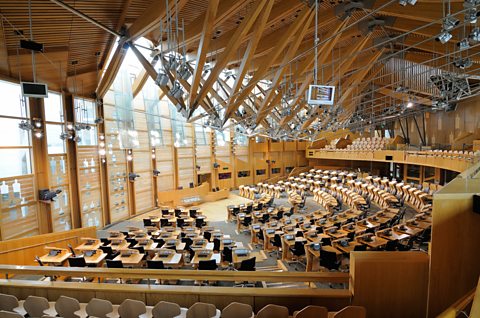 Image source, Norman Pogson / Alamy
 Devolved matters are areas that only affect Scotland.
These include:
Agriculture, forestry and fishing
Education – nurseries, schools, colleges and universities
Environment – environmental protection, flood prevention etc
Health - the The National Health Service (NHS) is a free health care system in the UK. in Scotland (hospitals, GP services etc)
Housing
Local government – responsibility for 32 local councils to deliver services such as roads and social care
Law and order – criminal law, civil law, the police, court and prison services, the fire service
Sports and the Arts – promotion of sports, museums, historic buildings etc
Social security – some powers over welfare and top-up benefits
Taxation – control over part of Scotland's Tax that someone pays based on their personal income (the money that they earn). and Value-added tax. A government tax added to the cost of most goods and services. As of 2015 the usual rate is 20%, while a reduced rate of 5% is charged on some goods and services, eg home energy.
Some transport - the road network in Scotland, rail routes in Scotland, bus, cycle and taxi policies
Image source, Norman Pogson / Alamy What additional powers have been devolved to the Scottish Parliament?
Scotland Act 2012
As a result of the Scotland Act 2012, the Scottish Parliament was given extra powers:
- the ability to raise or lower income tax in Scotland by up to 10p in every pound
- control over other taxes including stamp duty (on house sales) and landfill tax
- borrowing powers of up to £5 billion
- limited power over setting drink driving limits
Scotland Act 2016
After the 2014 independence referendum, the Scottish Parliament was given more powers:
control over the electoral system in Scotland
control over all rates and bands for Scottish Income Tax
control over some VAT revenue
increased control of welfare and benefits
This is an addition to the powers given as part of the Scotland Act 2012.
How are disagreements about reserved and devolved powers addressed?
Sometimes the Scottish Parliament and UK Parliament disagree about a bill passed by the Scottish Parliament.
The bill can be referred to the UK Supreme Court which will rule on whether the Scottish Parliament has the power to pass the bill.
This can be because:
- the subject matter of the bill relates to reserved matters
- the bill would involve changes to UK legislations (for example the Equality Act 2010)
- the bill is incompatible with the European Convention of Human Rights (which the UK is subject to)
Quiz
Recap what you have learned
Decisions about how the UK as a whole is run are made at the UK Parliament in Westminster.
The UK also has a number of devolved assemblies and parliaments:
- Scottish Parliament
- National Assembly for Wales
- Northern Ireland Assembly
- London Assembly
For Scotland, decisions about reserved matters are made at the UK Parliament as they affect the whole UK and international relations
Reserved matters include:
- defence
- foreign affairs
- immigration
Decisions about devolved matters are made at the Scottish Parliament as they affect Scotland only and people who live here
Devolved matters include:
- education
- health
- law and order
More powers were devolved to Scotland in the Scotland Act (2012) and Scotland Act (2016), including some power over tax, welfare and borrowing.
Disagreements about reserved and devolved powers are decided on by the UK Supreme Court.
More on Democracy in the UK
Find out more by working through a topic
- count4 of 18
- count5 of 18