Woman in black cardigan: Training that we need to do around safeguarding.
Woman in black cardigan: Thank you for coming to the safeguarding meeting today Jaspier.
Woman in black cardigan: Today, I'm having a formal meeting.
There are certain elements to a formal meeting that are important, you would always have an agenda.
You would refer to the minutes of the last meeting.
You would use language that is more formal than you would do in a discussion or chat situation.
So you would need to know who was in the meeting and use language that everybody understood.
Woman with long black hair: It'll be fine.
Woman in white top: It should be [Laughs].
Woman with long black hair: Informal meetings, we just get together at somebody's desk.
We'll call each other by our first names, because we're always familiar with whoever it is.
Woman in white top: We can actually talk in abbreviations some of the time, because we both understand what it's actually about.
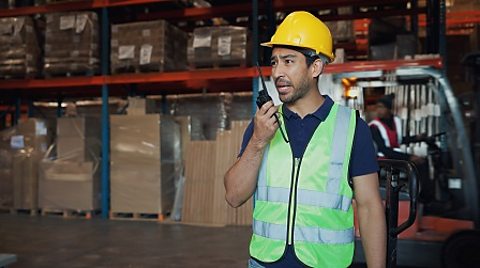
Man in shirt and tie: The Health and Safety at Work Act as we know are legal documents, things that we have to comply.
Man in shirt and tie: In the context of health and safety, formal communication is riddled with jargon, legal data etc.
Very difficult for the average layman to understand.
informal for me, is translating that jargon into every day practice that people can use in the workplace, for the benefit of employees.
Why learn about speaking and listening?
It's important to be effective at speaking and listening, depending on the situation you're in or the person you're talking to.
Quick tips for tutors
Formal and informal speaking includes:
- Recognising formal and informal language
- Identifying language to suit the situation
- Using formal and informal language
Downloadable Factsheets
Level 1 - Speaking in different situations
How to prepare for formal and informal situations where you have to communicate with other people.
Downloadable Worksheets
Entry 1 & 2 - Speaking formally or informally?
An activity in deciding which person is speaking formally or informally.

Entry 3 - Ways of saying things
Exercise in changing between formal and informal language to suit the situation.
Level 1 - Recognising formal and informal situations
Exercise in judging when to use formal or informal language and with whom.
Level 1 - Recognising formal and informal language
Exercising in labelling examples of speech as formal or informal.