


World Cup 2026: A guide to the 16 stadiums in the USA, Canada & Mexico
The 2026 World Cup will be a tournament like no other. An unprecedented 104 games will be crammed into 39 days, spanning four time zones and three countries, at locations up to 2,800 miles apart.
To stage this mammoth event, Fifa has selected 16 host cities across North America, showcasing some of the world's most spectacular and iconic stadiums – from cutting-edge marvels like Los Angeles' record-breaking $5.5bn venue to Mexico City's historic Estadio Azteca, the scene of World Cup finals in 1970 and 1986.
But these arenas won't just provide a stunning backdrop to the action – they could influence how England and Scotland, and possibly the other home nations, fare at the tournament.
Extreme weather is possible anywhere but if the Three Lions or Tartan Army play in Miami or Monterrey they are almost guaranteed sweltering, energy-sapping heat.
Conditions in Seattle and Vancouver, on the other hand, should be relatively cool, while the stadiums in Atlanta, Dallas and Houston will operate with closed roofs and air conditioning, taking weather out of the equation entirely. Altitude, meanwhile, becomes a factor for matches in Mexico City and Guadalajara.
Another consideration is that eight of the venues normally operate with artificial turf. To meet Fifa requirements, temporary grass surfaces will have to be laid for the duration of the World Cup. This will be the case in Atlanta, Boston, Dallas, Houston, LA, New Jersey, Seattle and Vancouver. Short-term pitches used at the 2025 Club World Cup were heavily criticised, but Fifa has promised those issues will be rectified for their showpiece event.
Fifa will also insist most stadiums temporarily adopt generic titles, dropping sponsors’ names. It may take some getting used to for fans of American football or Major League Soccer, but venues such as SoFi Stadium and Gillette Stadium will officially be known as Los Angeles Stadium and Boston Stadium. To keep things simple, both the standard and Fifa-designated names are included in this guide.
Despite the logistical challenges, it promises to be a memorable tournament. Whether you will be there in person or enjoying it all from the sofa, here's everything you need to know about the stadiums and cities.
Western Region



BC Place Vancouver
Key facts:
- World Cup matches: 7
- Type: Retractable roof, temporary grass pitch
- Capacity: 48,821 (source - Fifa)
- Opened: 1983
- Time difference: -8 hours BST
- Average external daily high in June: 20C
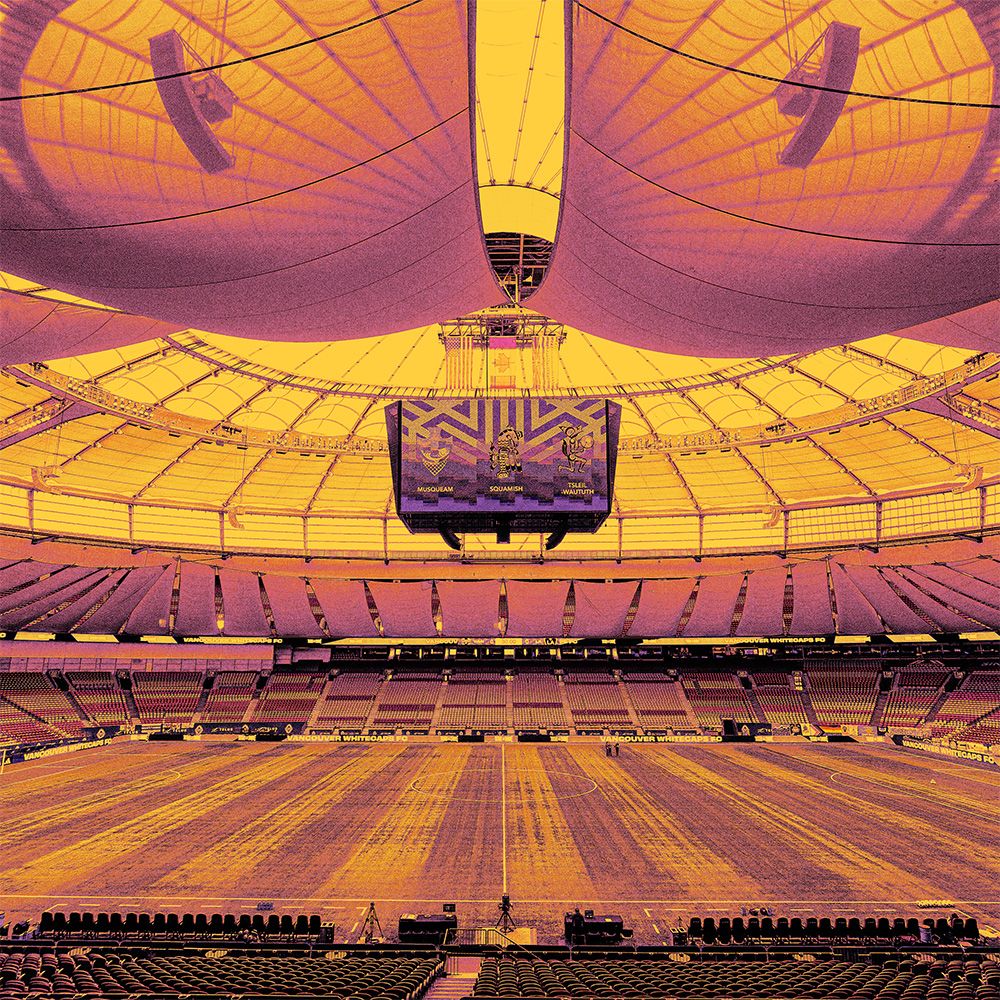
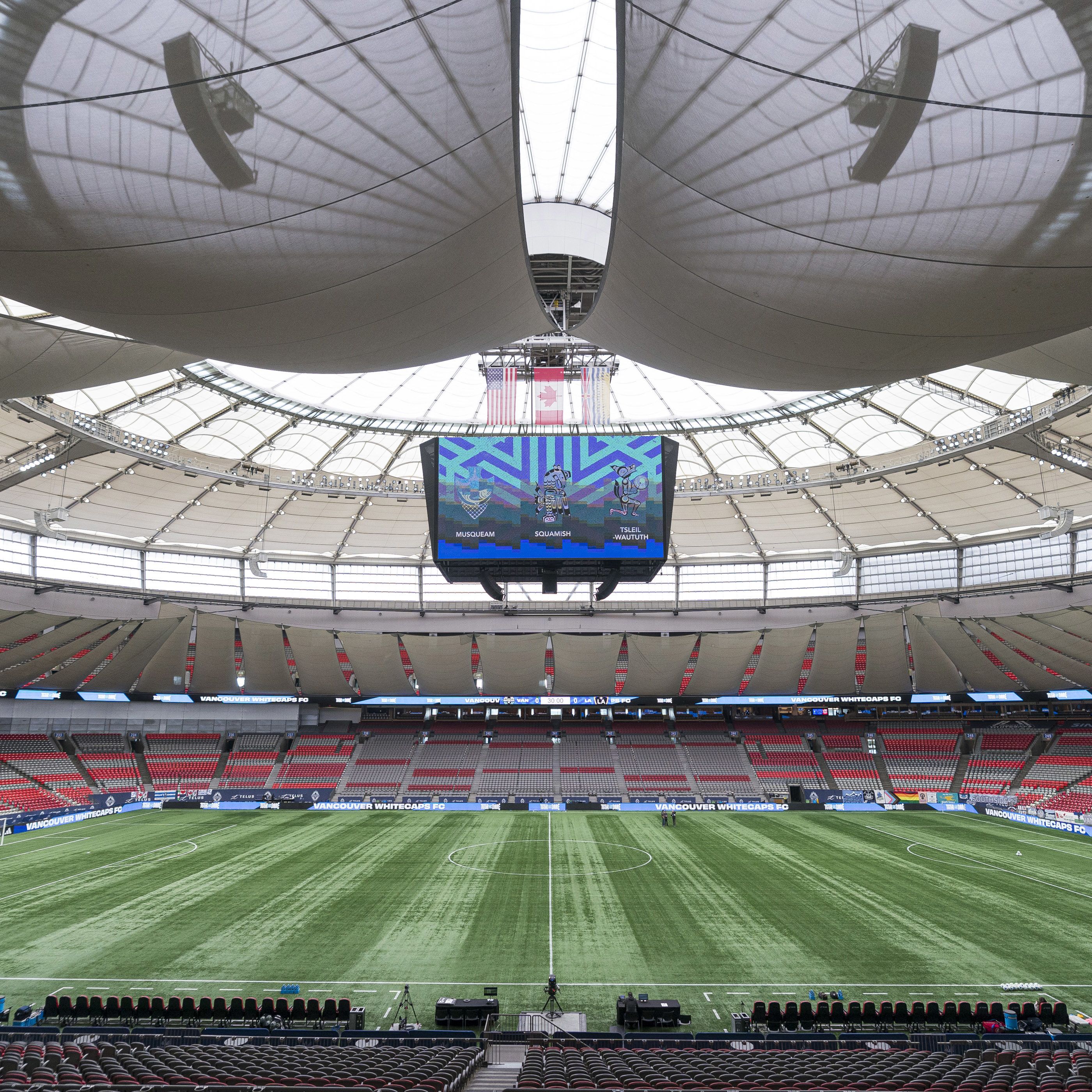
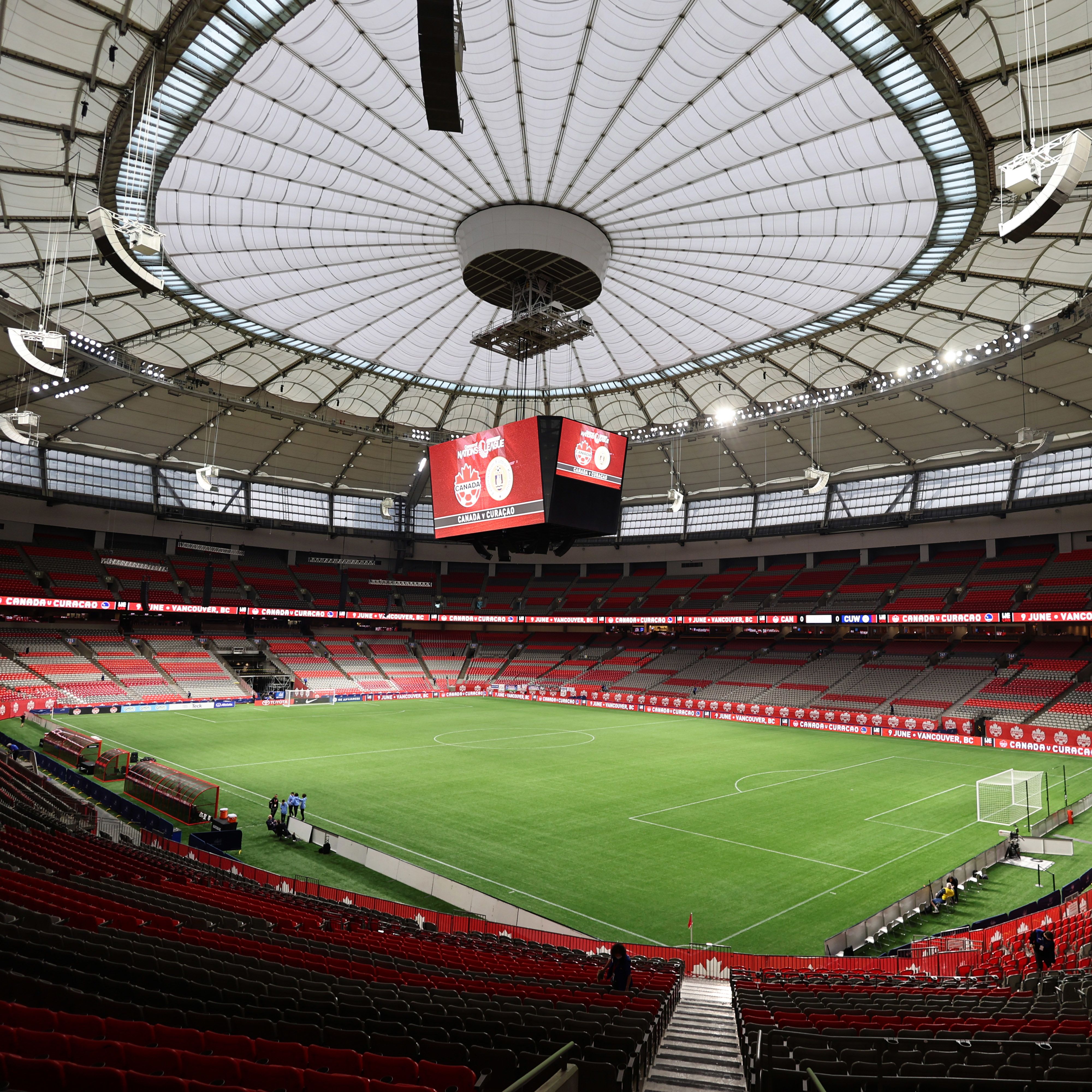
Vancouver is the most northerly venue at this tournament and is likely to provide the coolest conditions. The stadium has infrared heating to make it more comfortable during the winter but there is no air conditioning, so the retractable roof is expected to be left open during World Cup matches.
It is known as BC Place because it was funded by British Columbia's provincial government and will host seven fixtures at the 2026 tournament, including Canada's second and third matches.
It previously staged the opening and closing ceremonies at the 2010 Winter Olympics plus nine games at the 2015 Women's World Cup, including the USA's 5-2 win against Japan in the final.
It was initially equipped with an inflatable, domed roof but that had to be replaced after it tore in 2007 following a build-up of snow. The current roof, which is cable-supported and fully retractable, is the largest of its kind in the world, the stadium's operators claim.
Did you know? Hollywood stars Ryan Reynolds and Seth Rogen were both born and raised in Vancouver, while the cosmetic use of Botox was pioneered in the city.

Seattle Stadium
(Lumen Field)
Key facts:
- World Cup matches: 6
- Type: Outdoor, temporary grass pitch
- Capacity: 65,123 (source - Fifa)
- Opened: 2004
- Time difference: -8 hours BST
- Average daily high in June: 22C
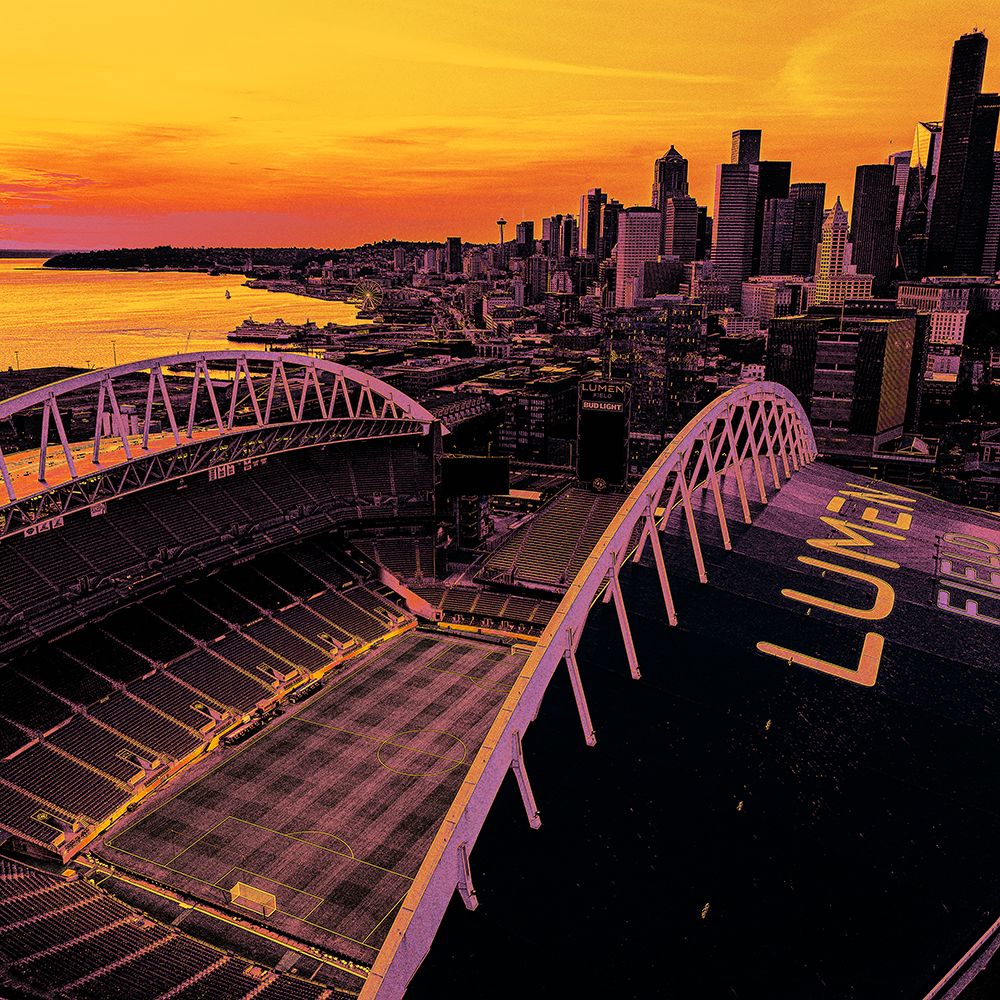
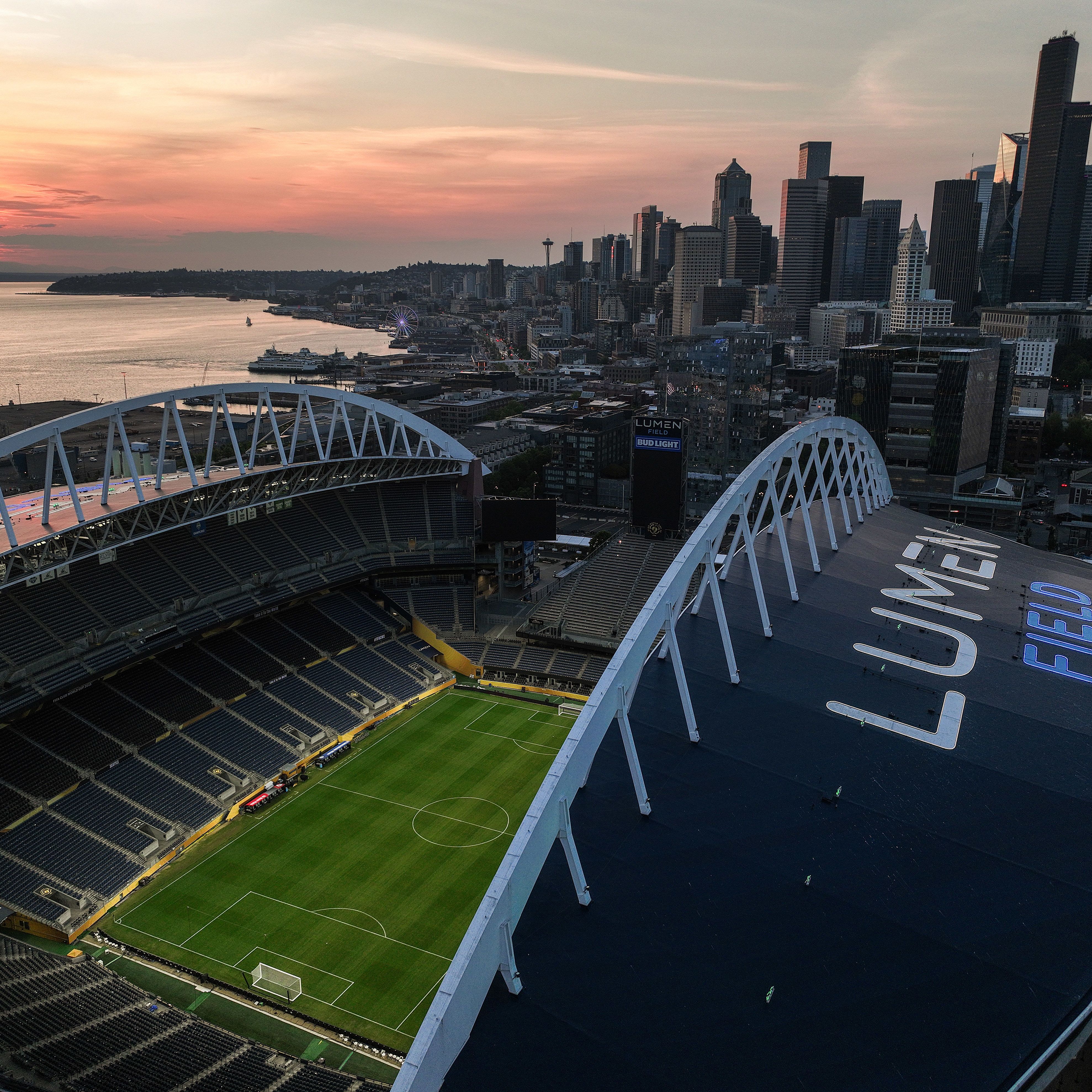
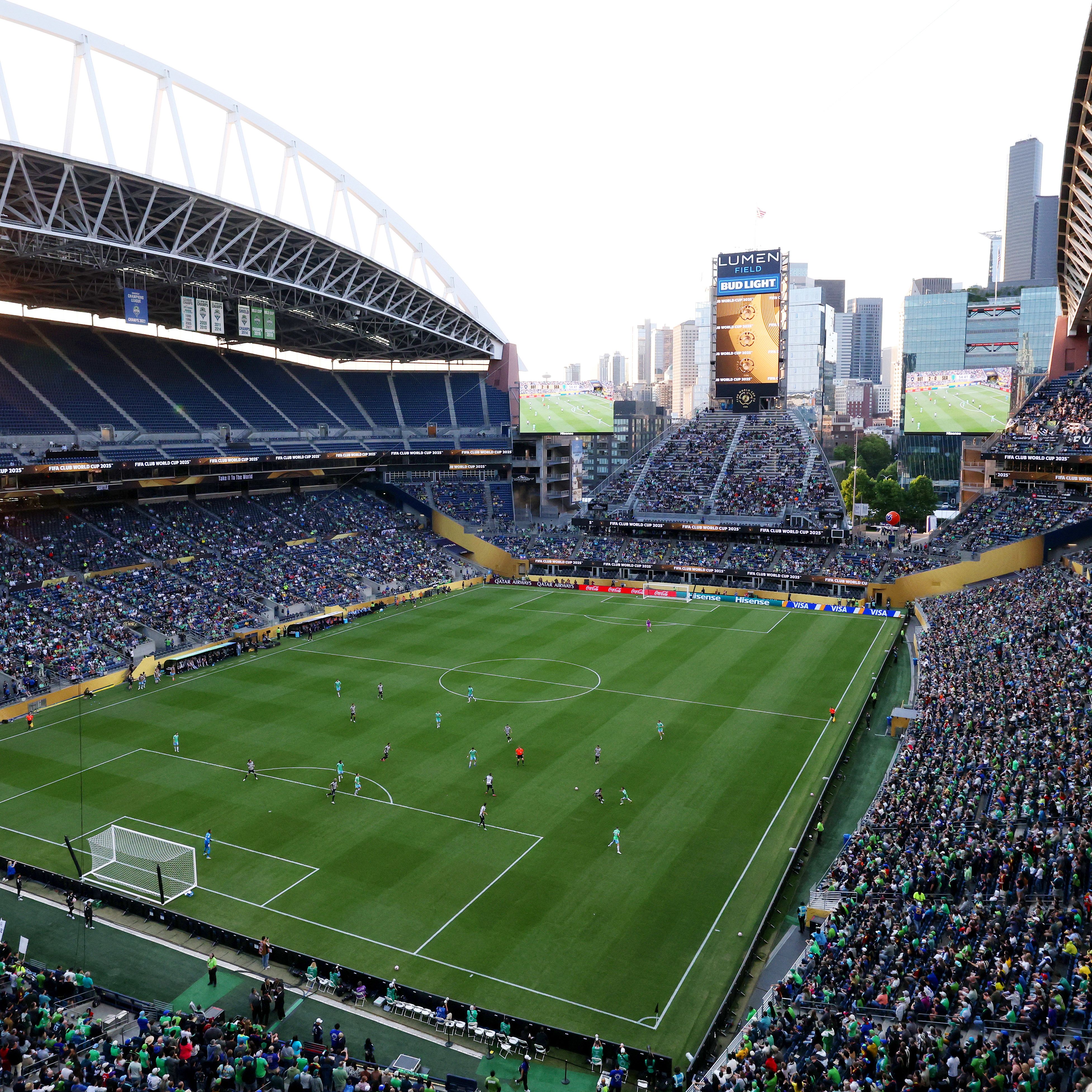
Located 100 miles south of the land border with Canada in the Pacific Northwest, Seattle is the US venue least likely to experience extreme heat.
The stadium has a horseshoe-shaped design, with a largely open north side offering views of downtown skyscrapers. It serves as the base for NFL team the Seattle Seahawks, having been built on the site of their former ground, the Kingdome.
It has also been Seattle Sounders' home since they became an MLS expansion franchise in 2009, while women's side Seattle Reign have played there since 2022, with the high usage meaning artificial turf is normally used.
A temporary grass pitch laid approximately 10 days before the 2025 Club World Cup performed poorly at the tournament. It quickly dried out because it was not deep enough to retain moisture, leading to Paris St-Germain boss Luis Enrique complaining that the "ball bounced like a rabbit" after a game there.
The surface at the World Cup should be better as it will be installed months in advance and have a built-in irrigation system. Six games will be played in Seattle, including the USA's second group match.
Did you know? Seattle is named after Chief Seattle, a Native American leader who promoted peace and co-operation with settlers in the 19th century. Other famous 'Seattleites' include Bill Gates and Jimi Hendrix.
San Francisco Bay Area Stadium
(Levi's Stadium)
Key facts:
- World Cup matches: 6
- Type: Outdoor, permanent grass pitch
- Capacity: 69,391 (source - Fifa)
- Opened: 2014
- Time difference: -8 hours BST
- Average daily high in June: 24C
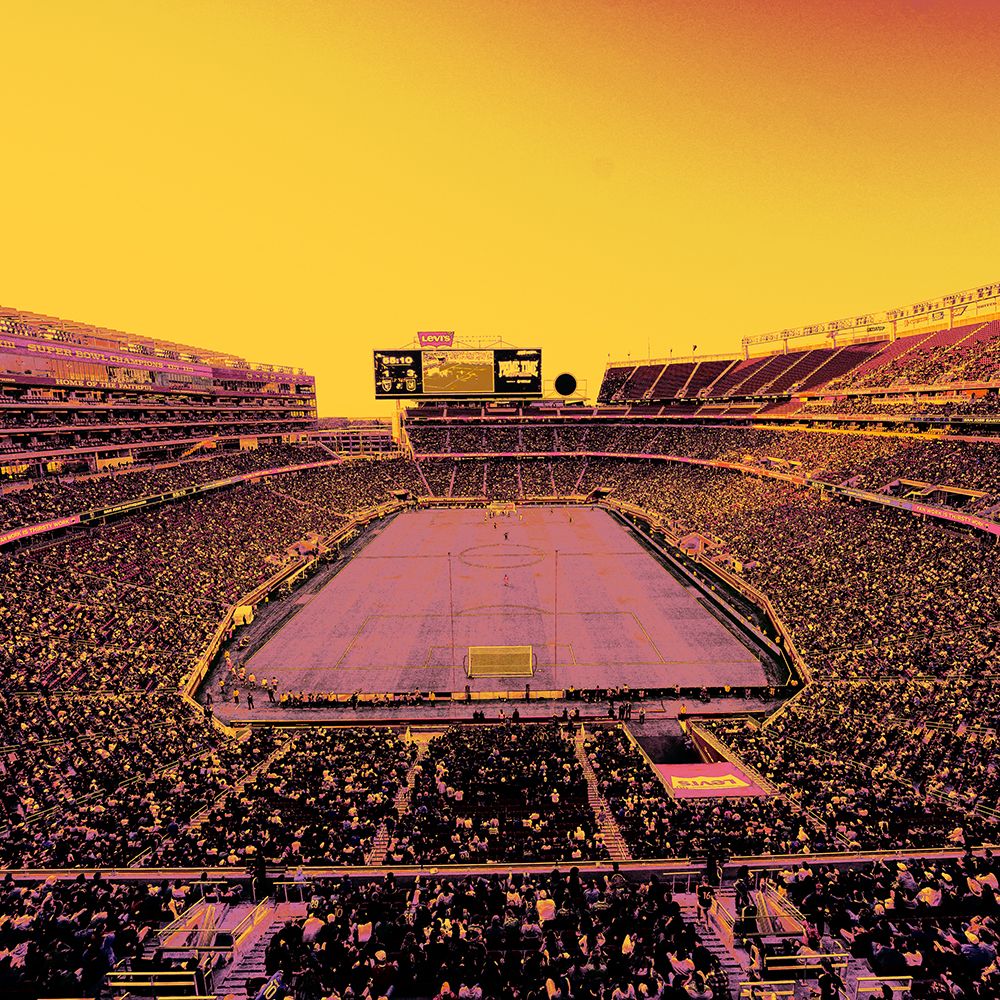
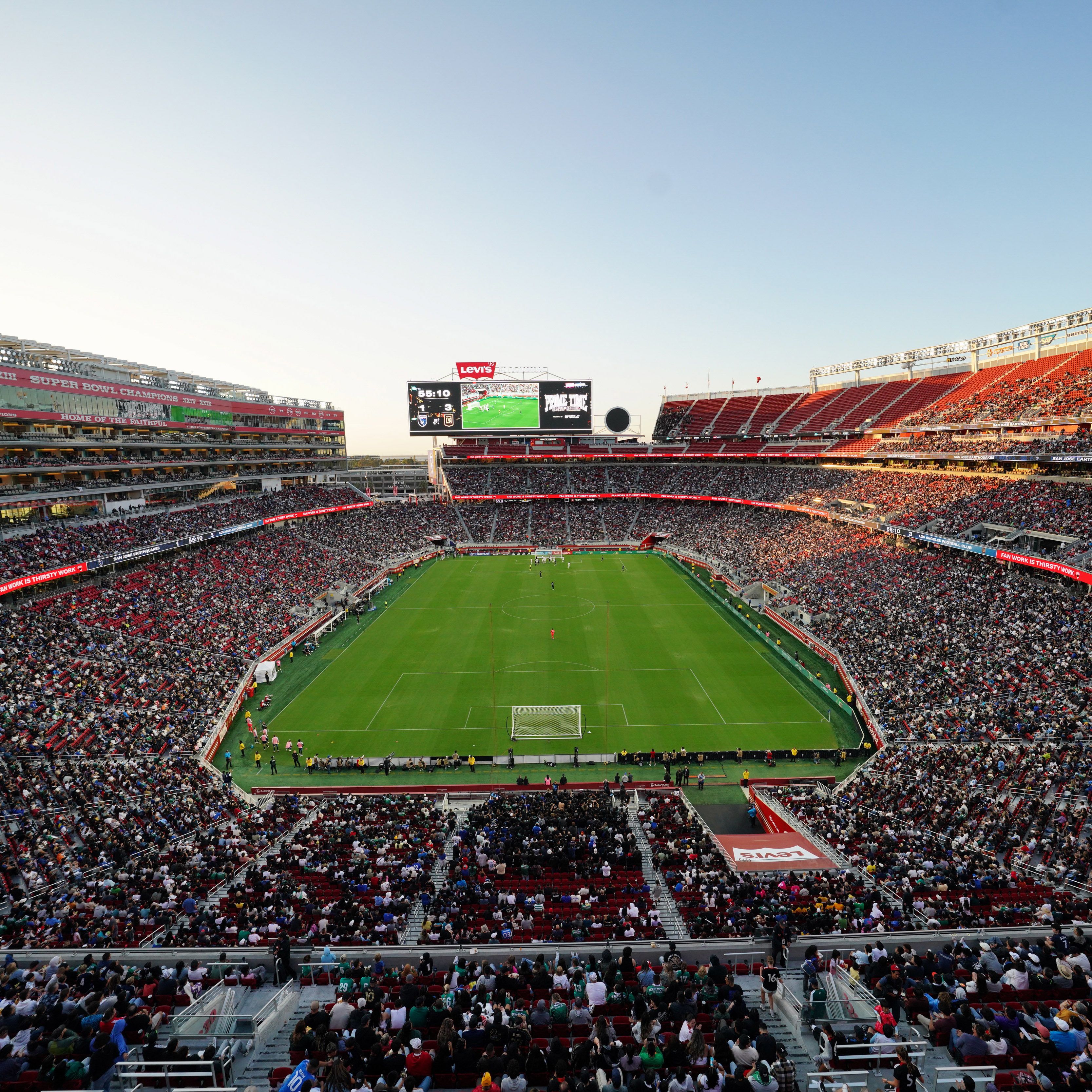
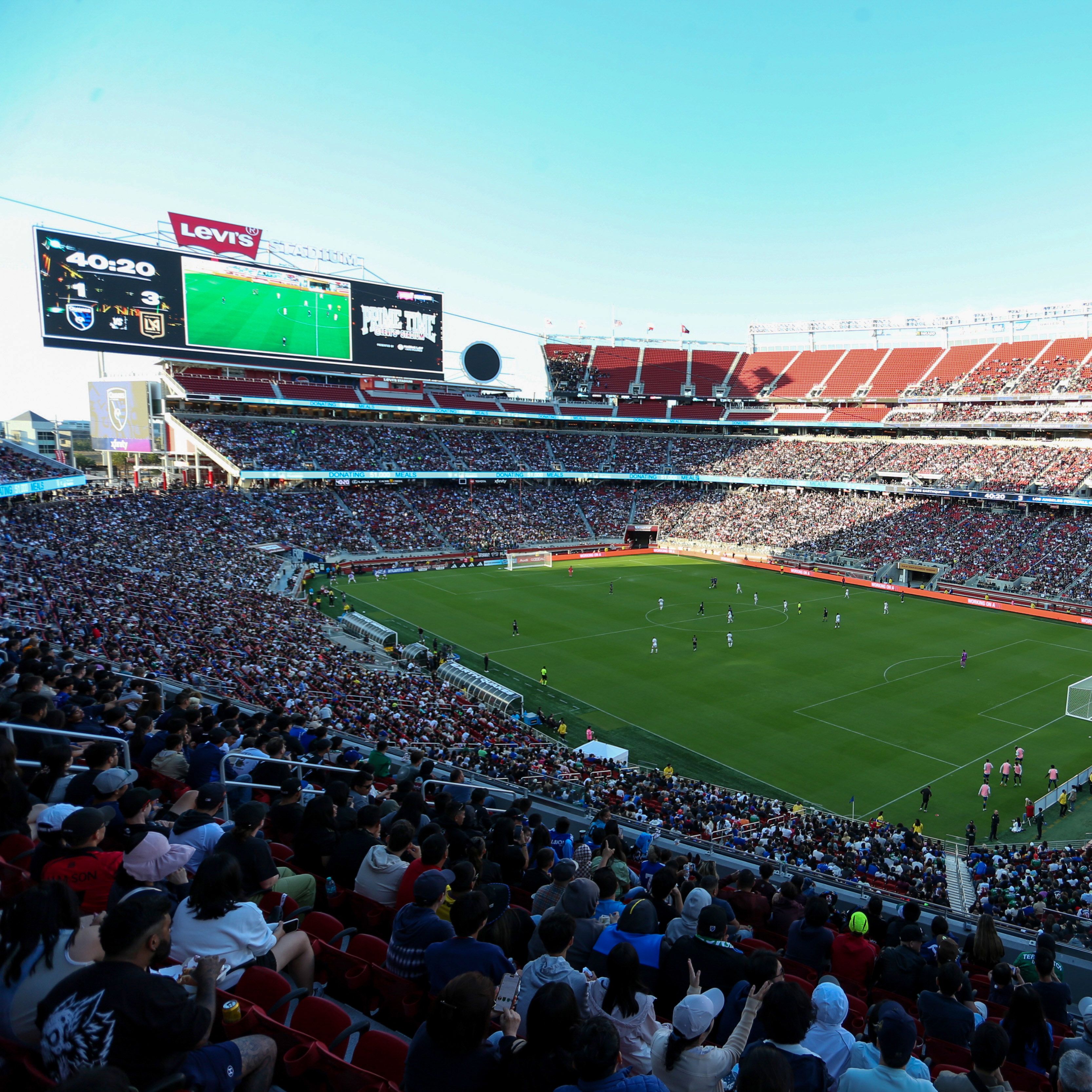
Though home to five-time Super Bowl winners the 49ers, this stadium lies 35 miles south-east of San Francisco in Santa Clara, in the heart of Silicon Valley and part of the Bay Area conurbation.
It cost $1.3bn to build but is mainly uncovered, leaving fans exposed to the elements come rain or shine. While NFL seasons don't begin until September, the risk posed by heat will obviously be greater at the World Cup, with strong sunlight particularly affecting the eastern side of the stadium.
Adding a roof or shade isn't feasible as there are building height restrictions in place because San Jose airport is nearby.
A $200m renovation project was completed in the summer of 2025, improving drainage and ventilation for the grass playing field and reconfiguring corner seating to make room for Fifa's standard pitch dimensions.
In addition to staging World Cup games in 2026, the venue will host its second Super Bowl in February.
Did you know? The stadium has its own rooftop farm that grows organic vegetables and herbs, which are used in its food stalls and restaurants.
Los Angeles Stadium
(SoFi Stadium)
Key facts:
- World Cup matches: 8
- Type: Indoor/outdoor hybrid, temporary grass pitch
- Capacity: 69,650 (source - Fifa)
- Opened: 2020
- Time difference: -8 hours BST
- Average daily high in June: 24C
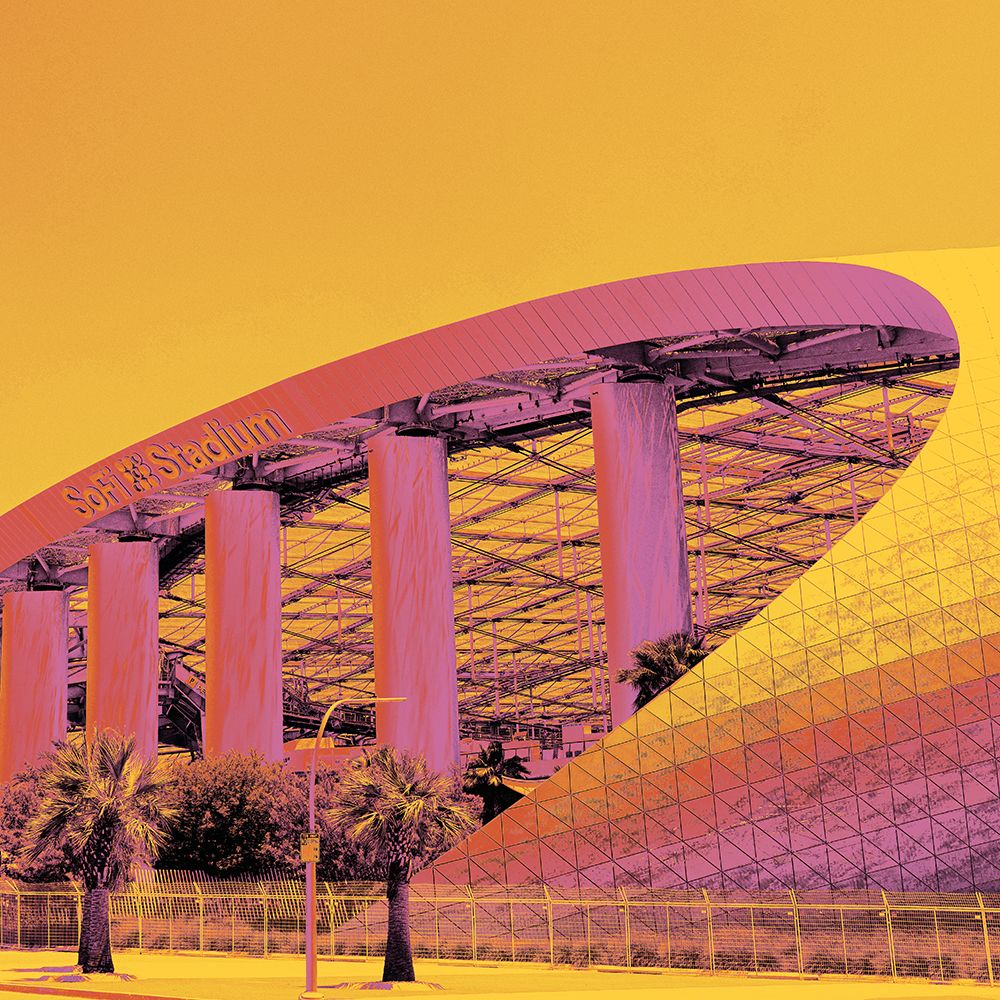
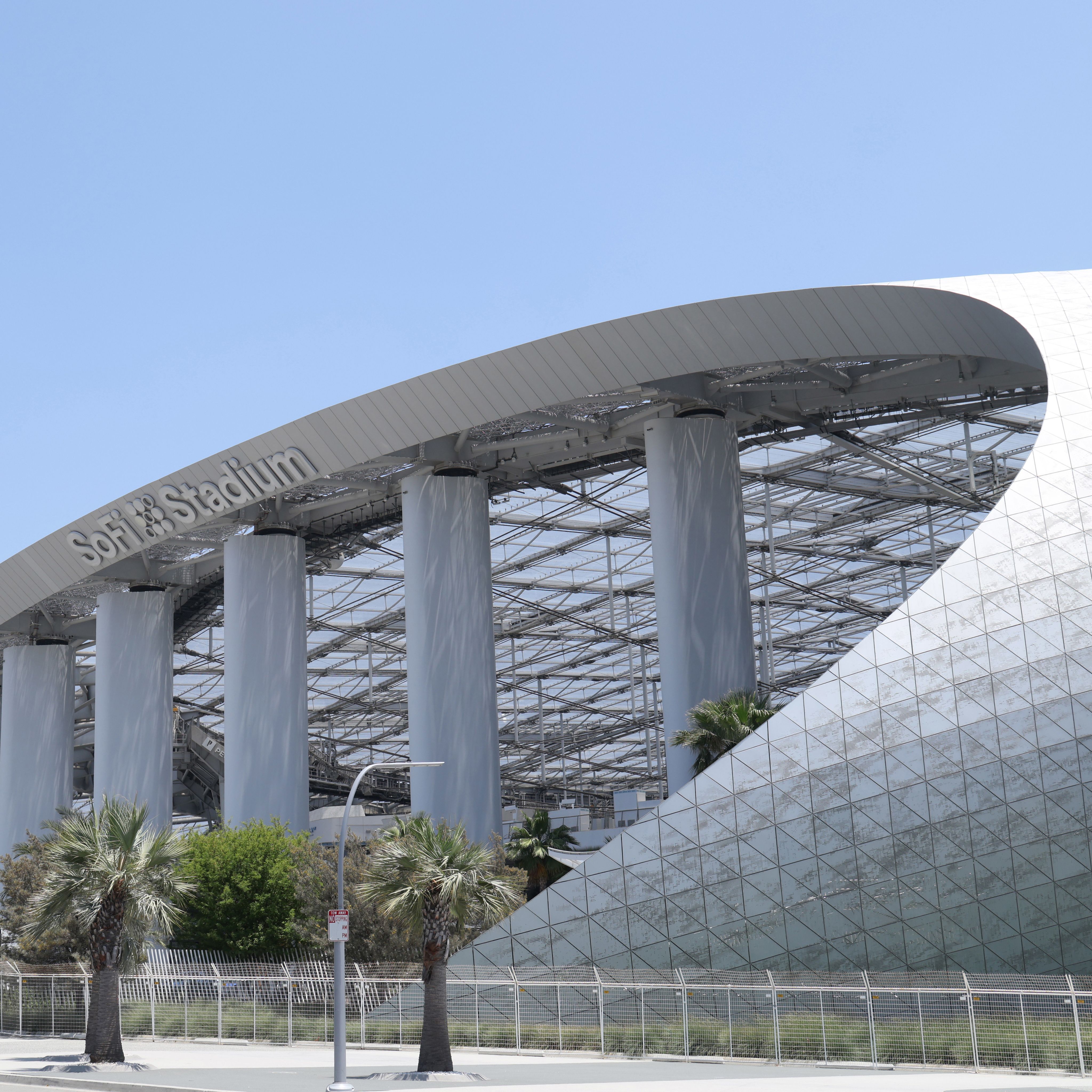
This ultra-modern design is arguably the most impressive venue at the 2026 World Cup - perhaps no surprise given its reported $5.5bn cost makes it comfortably the most expensive stadium ever built.
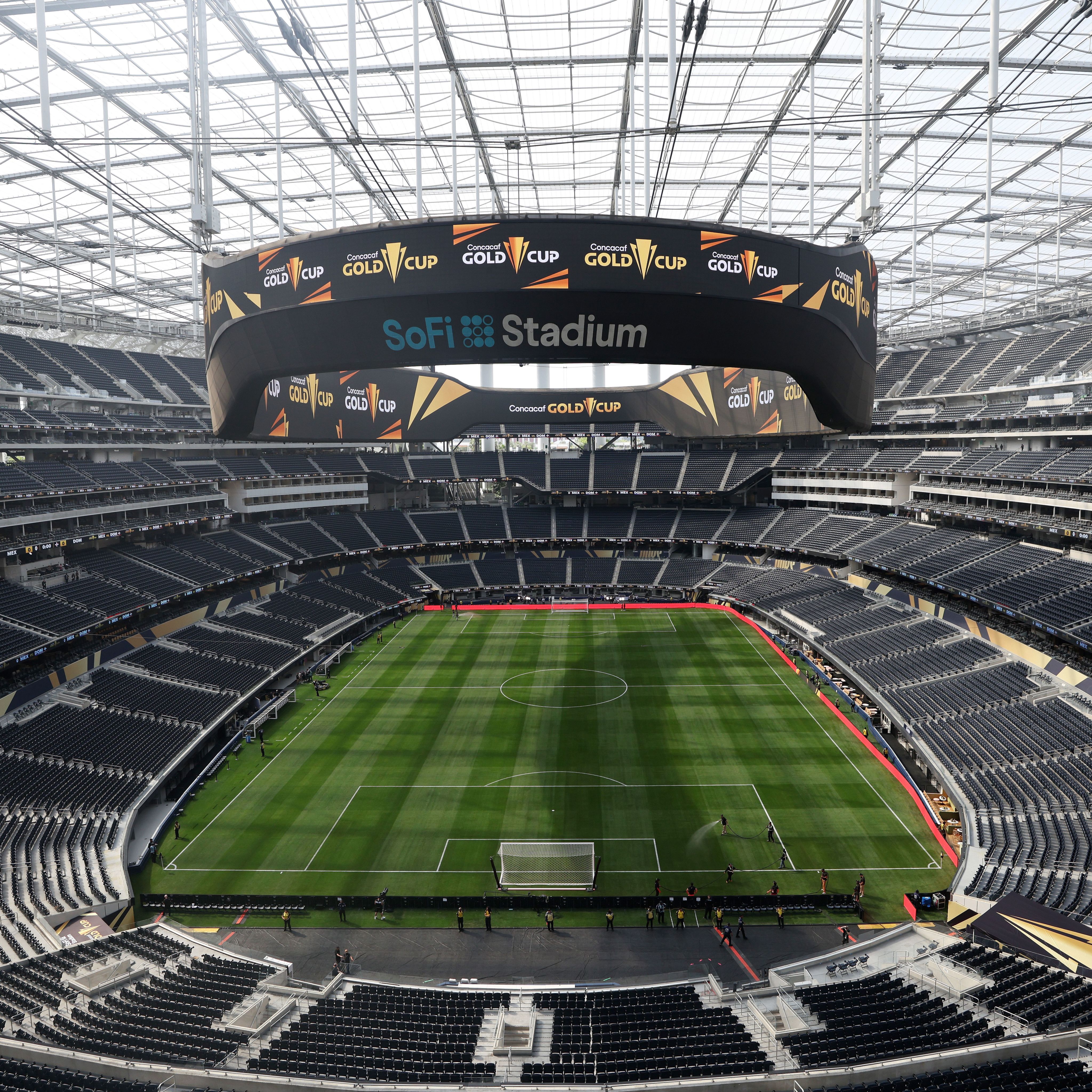
It is a pioneering indoor/outdoor hybrid. The stadium and an adjacent plaza are shielded by a giant translucent canopy which spans more than 90,000 square metres and is held up by 37 earthquake-resistant columns, with the entire complex open at three sides to let in fresh air.
A gigantic 4K videoscreen, weighing nearly 1,000 tonnes, is suspended from the roof. Because it is oval-shaped and double-sided, fans can see The Infinity Screen no matter where they are sat.
Located in Inglewood, three miles from the city's main airport, the stadium had to account for height restrictions during construction, so builders excavated more than five million cubic metres of earth to set the pitch 30m below ground level - meaning some fans descend to reach their seats.
It is home to LA's two NFL franchises, the Rams and Chargers, and hosted the Super Bowl in 2022, which the Rams won to become just the second team to lift the Vince Lombardi Trophy in their own stadium.
Did you know? The venue in Los Angeles is the newest at the 2026 World Cup and will stage the USA's first and third group matches, while also co-hosting the opening ceremony at the 2028 Olympics.
Central Region


Estadio Guadalajara
(Estadio Akron)
Key facts:
- World Cup matches: 4
- Type: Outdoor, permanent grass pitch
- Capacity: 44,330 (source - Fifa)
- Opened: 2010
- Time difference: -7 hours BST
- Average daily high in June: 28C
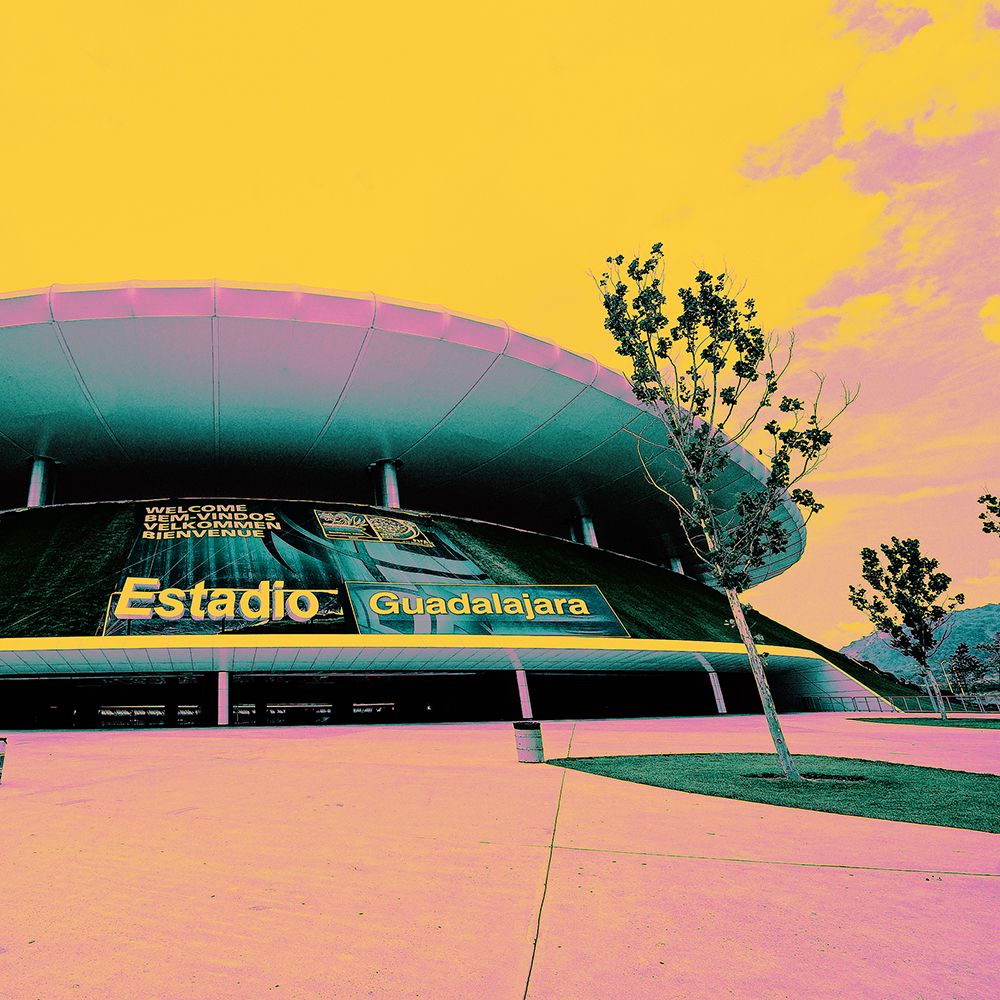
Home to Club Deportivo Guadalajara, this venue will only host four World Cup matches, a joint low with Monterrey, though that includes Mexico's second match.
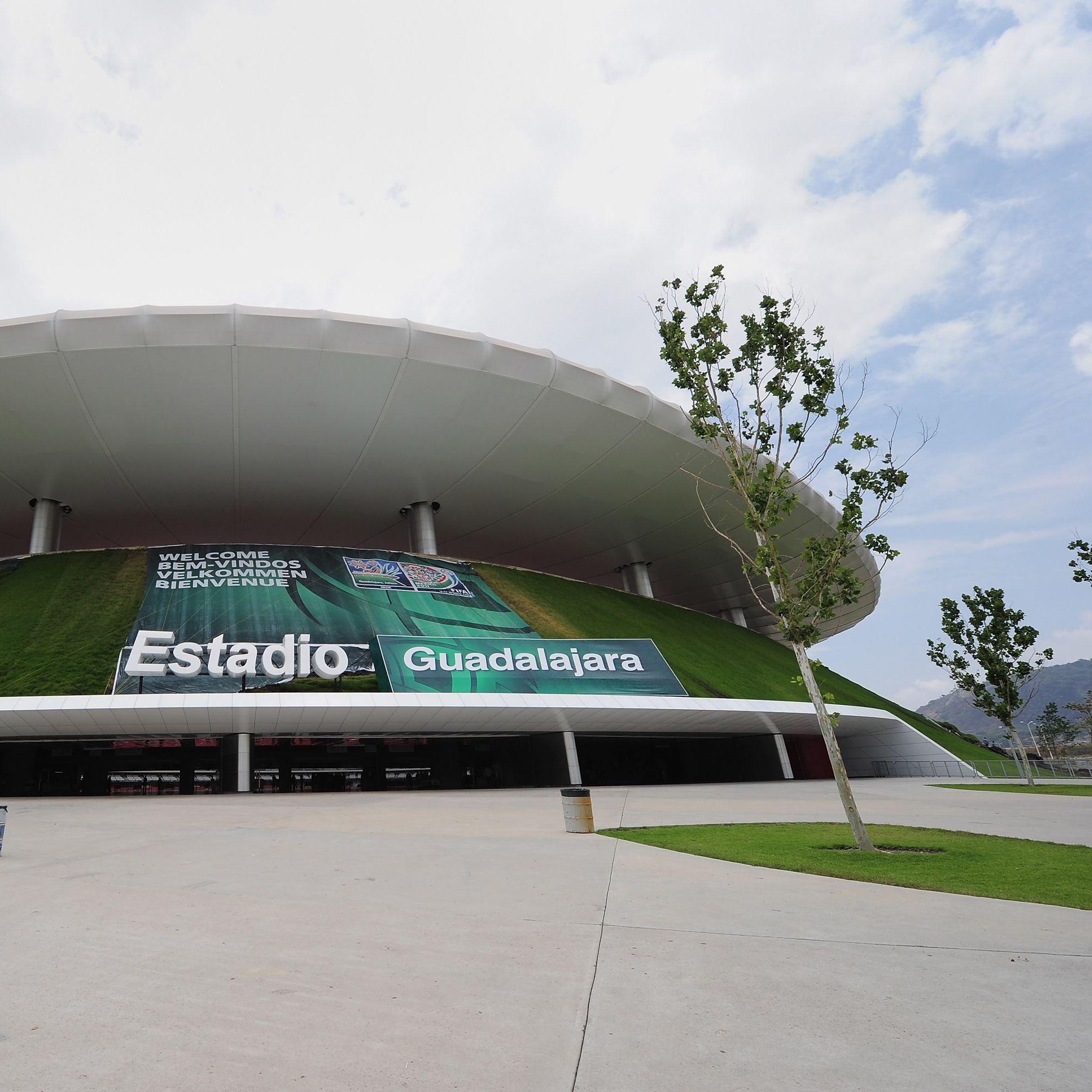
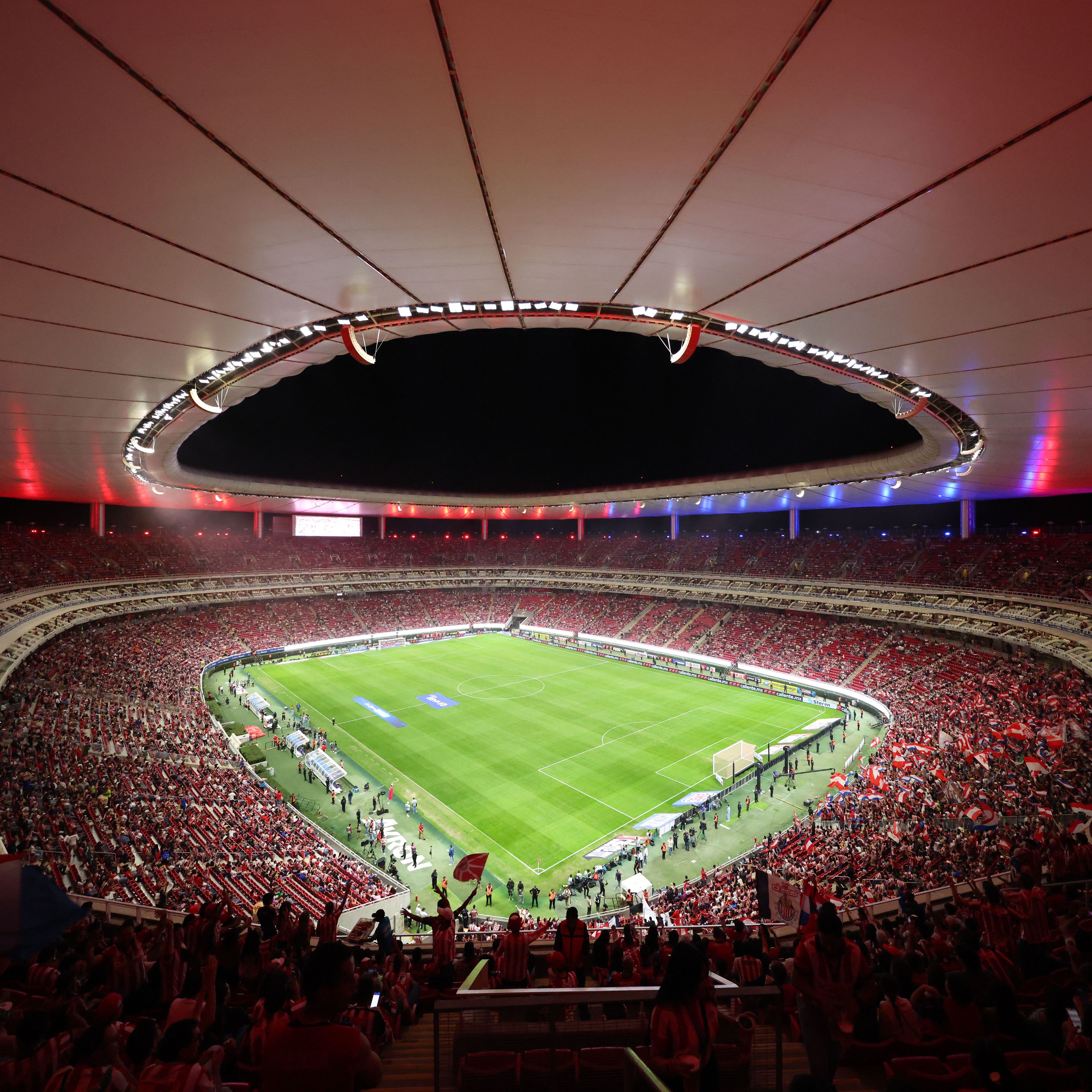
The stadium sits upon an artificial hill and is designed to resemble a volcano, with red seating evoking the crater and a white roof - supported by 16 pillars - appearing to float like a cloud above the lava.
The 2026 tournament coincides with the start of Guadalajara's wet season, with the vast majority of annual rainfall coming between June and September. Often considered Mexico's second city, it lies at an altitude of over 1600m, which may cause some players to tire quicker.
Did you know? The stadium is located eight miles west of the city's other main ground, the Estadio Jalisco, which was the scene of Gordon Banks' wonder-save from Pele in 1970 and Josimar's long-range goal for Brazil versus Northern Ireland in 1986.
Estadio Azteca
Mexico City
Key facts:
- World Cup matches: 5
- Type: Outdoor, permanent grass pitch
- Capacity: 72,766 (source - Fifa)
- Opened: 1966
- Time difference: -7 hours BST
- Average daily high in June: 24C
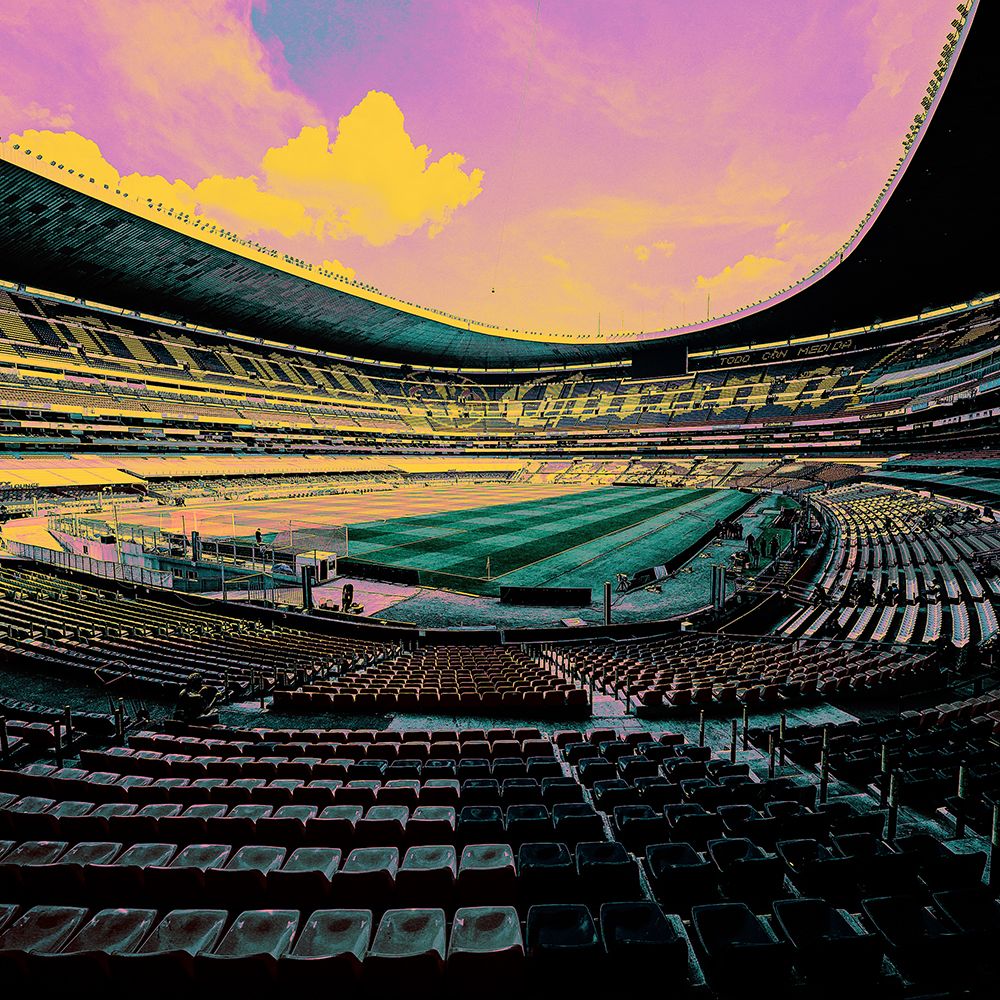
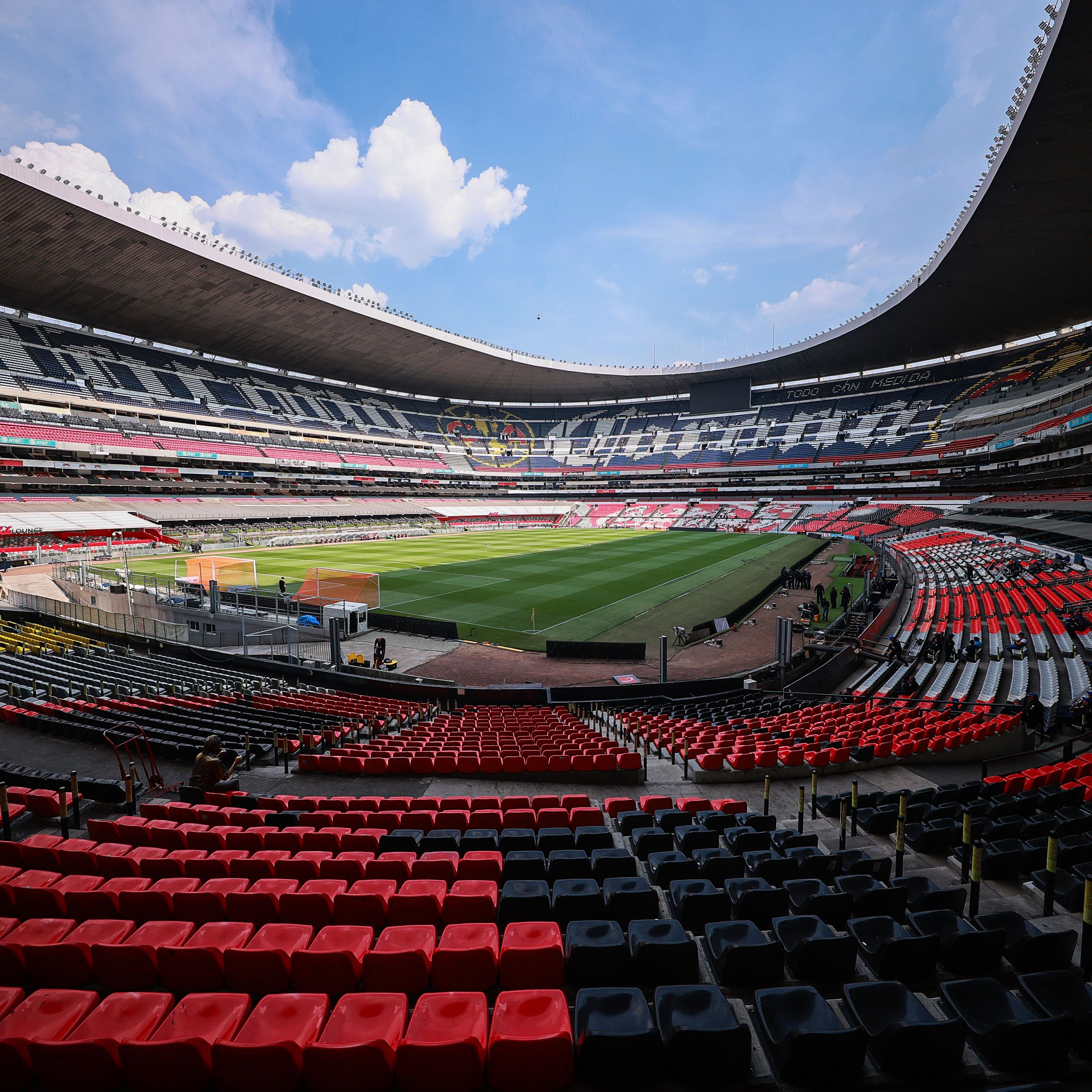
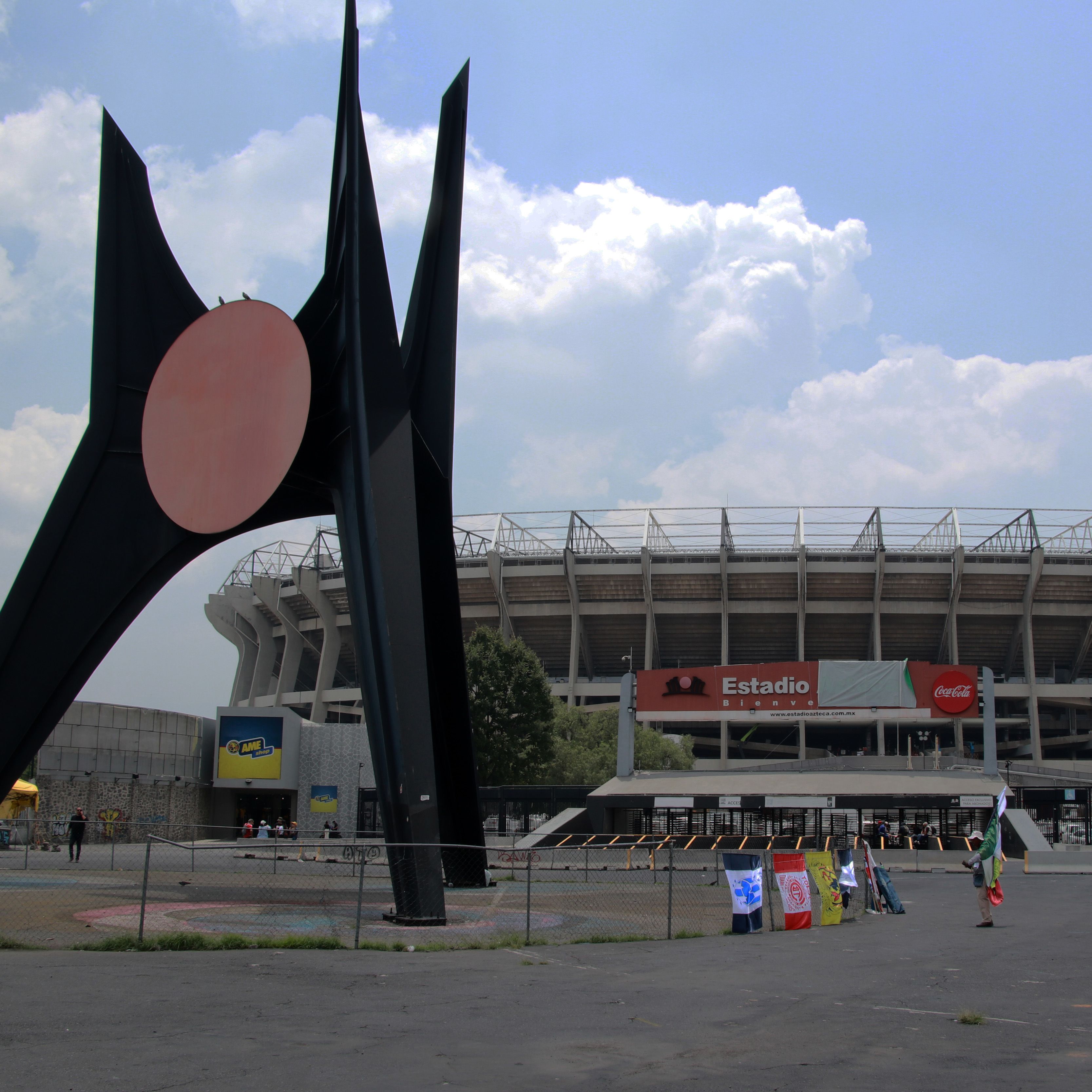
This historic ground will become the first stadium to stage matches at three men's World Cups when it hosts the opening game of the 2026 tournament, just as it did in 1970 and 1986.
The Azteca was the scene of Diego Maradona's two goals against England in 1986 – the first of them the 'Hand of God' – and Argentina's subsequent win in the final. It was also where Brazil lifted the Jules Rimet Trophy after beating Italy in 1970.
It is normally used by Mexico's national team, Club America and Cruz Azul, though all three were forced to play elsewhere when major renovations began in May 2024. The stadium is due to reopen in March 2026.
Because it lies at an altitude of 2,200m, Mexico City is not as hot as the country's other two World Cup host venues, though air pollution is often problematic. The thinner air will test players' stamina and can cause the ball to move faster and further than at sea level.
Did you know? Mexico City is sinking by up to 40cm a year. That's because it was built on the soft clay bed of an ancient lake - once the site of the Aztec capital, Tenochtitlan - which was drained after the Spanish conquest.
Estadio Monterrey
(Estadio BBVA)
Key facts:
- World Cup matches: 4
- Type: Outdoor, permanent grass pitch
- Capacity: 50,113 (source - Fifa)
- Opened: 2015
- Time difference: -7 hours BST
- Average daily high in June: 34C
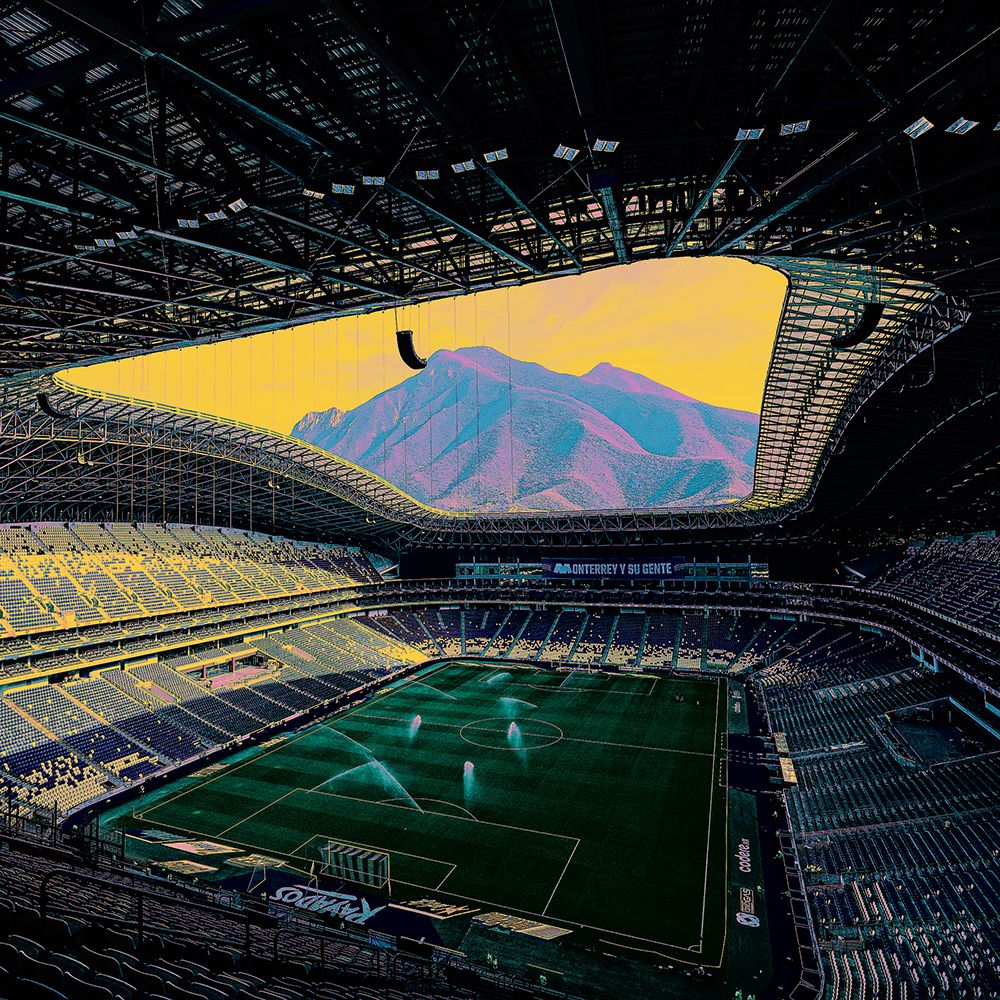
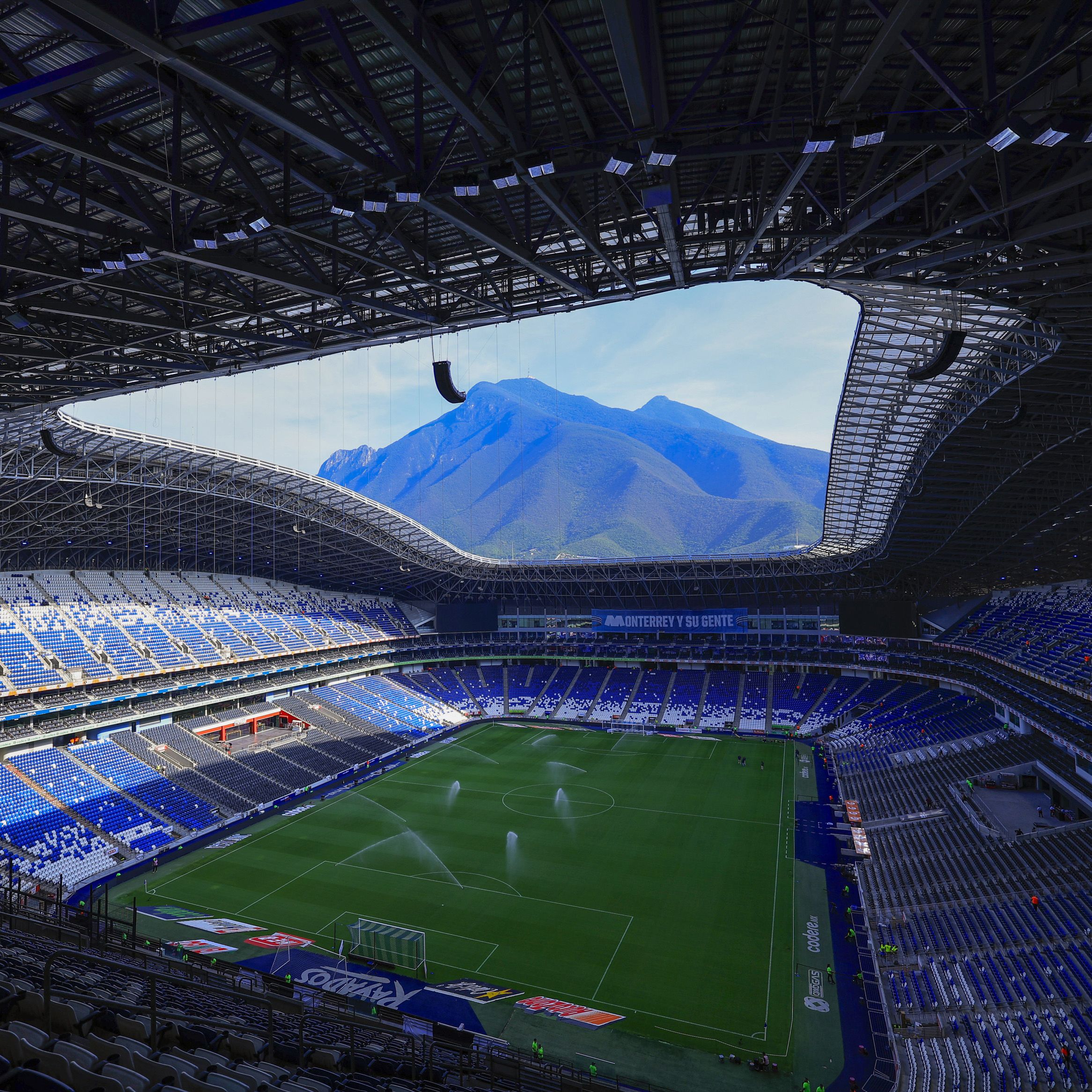
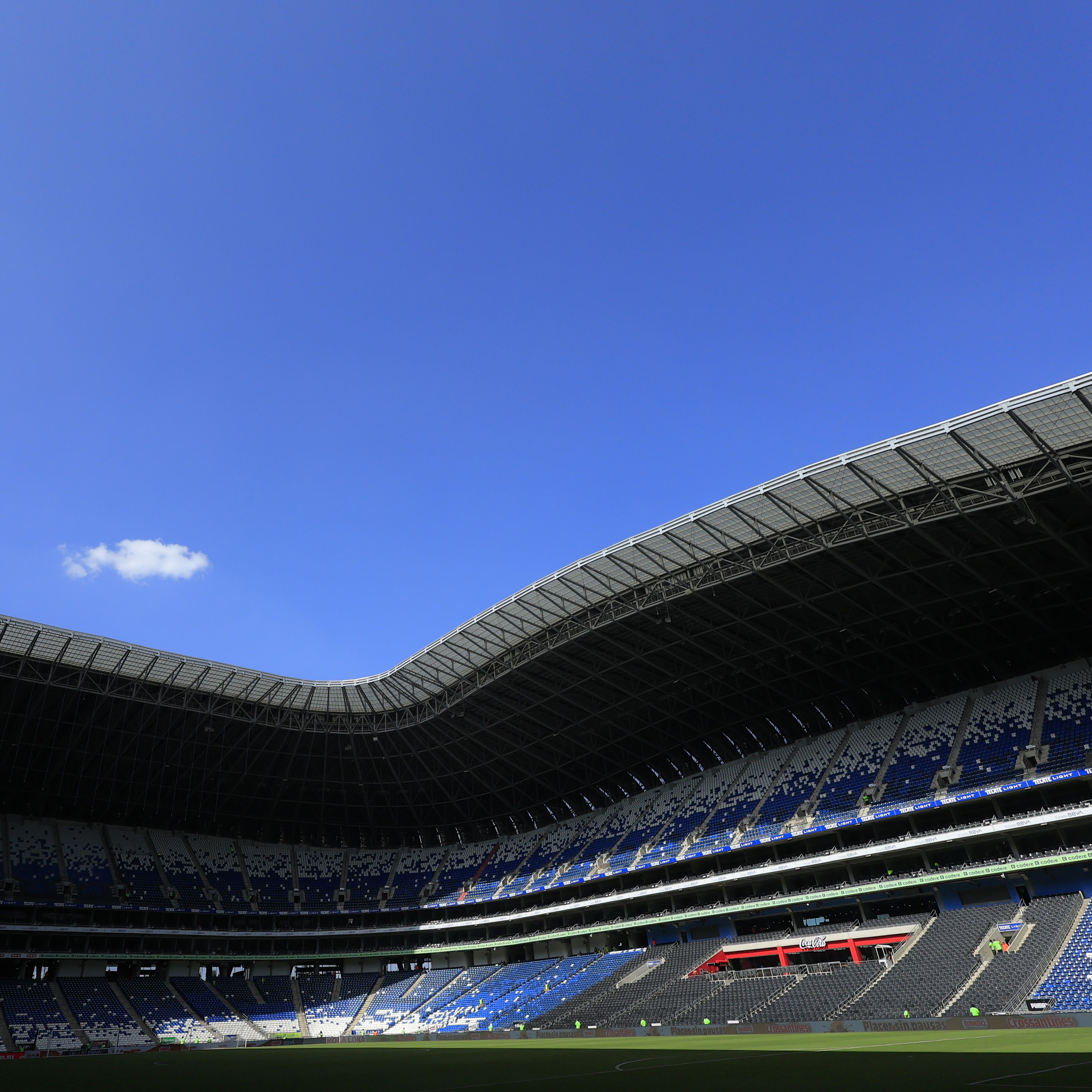
This venue boasts a breathtaking setting in the shadow of Cerro de la Silla, an 1,800m high-peak which towers over the surrounding landscape. The stadium is home to five-time Mexican champions Monterrey, who have played there since it opened in 2015.
Monterrey is a major industrial hub 90 miles from the US border and is likely to be amongst the hottest host cities at the 2026 World Cup.
Temperatures in June typically reach 34C, though a deadly heatwave in 2024 saw the mercury exceed 40C.
Did you know? The last World Cup game in Monterrey was Mexico's penalty shoot-out defeat by West Germany in the quarter-finals in 1986. The city hosted eight fixtures at that tournament, split between two venues, including all three of England's group matches.
Houston Stadium
(NRG Stadium)
Key facts:
- World Cup matches: 7
- Type: Retractable roof, temporary grass pitch
- Capacity: 68,311 (source - Fifa)
- Opened: 2002
- Time difference: -6 hours BST
- Average external daily high in June: 33C
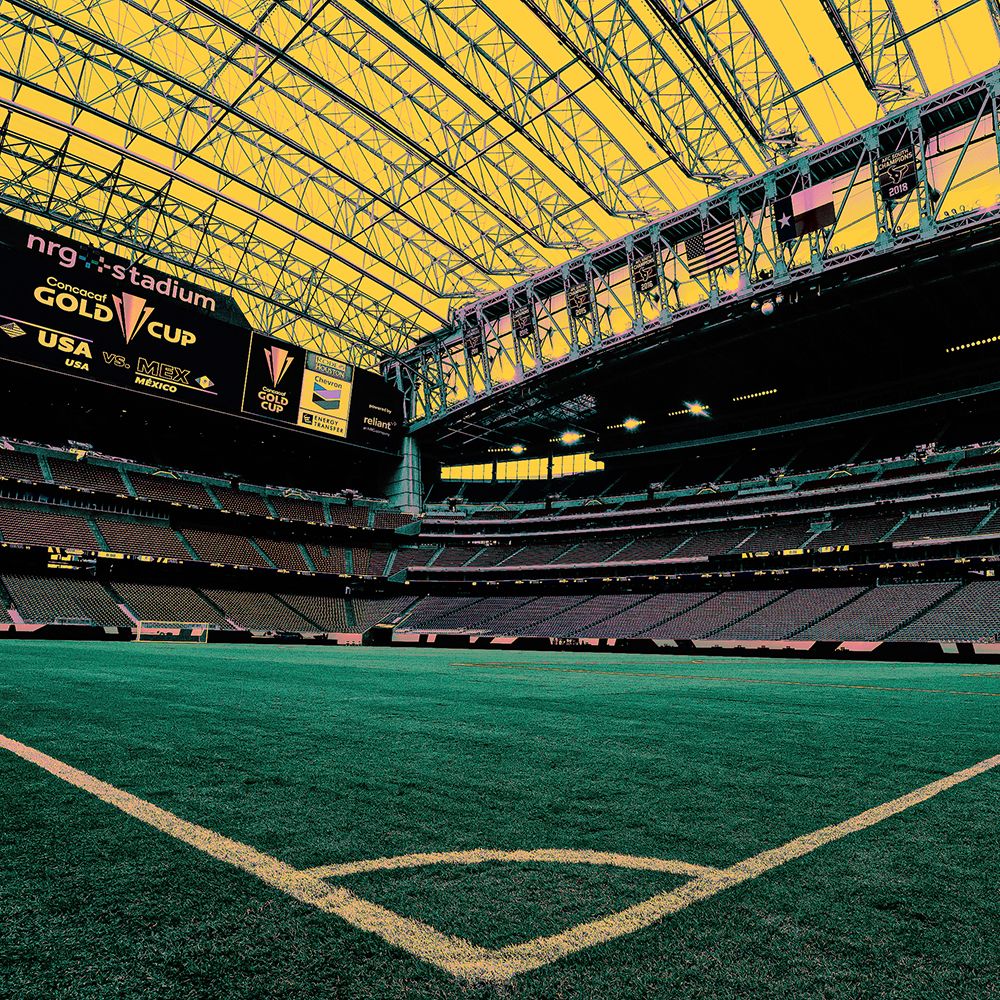
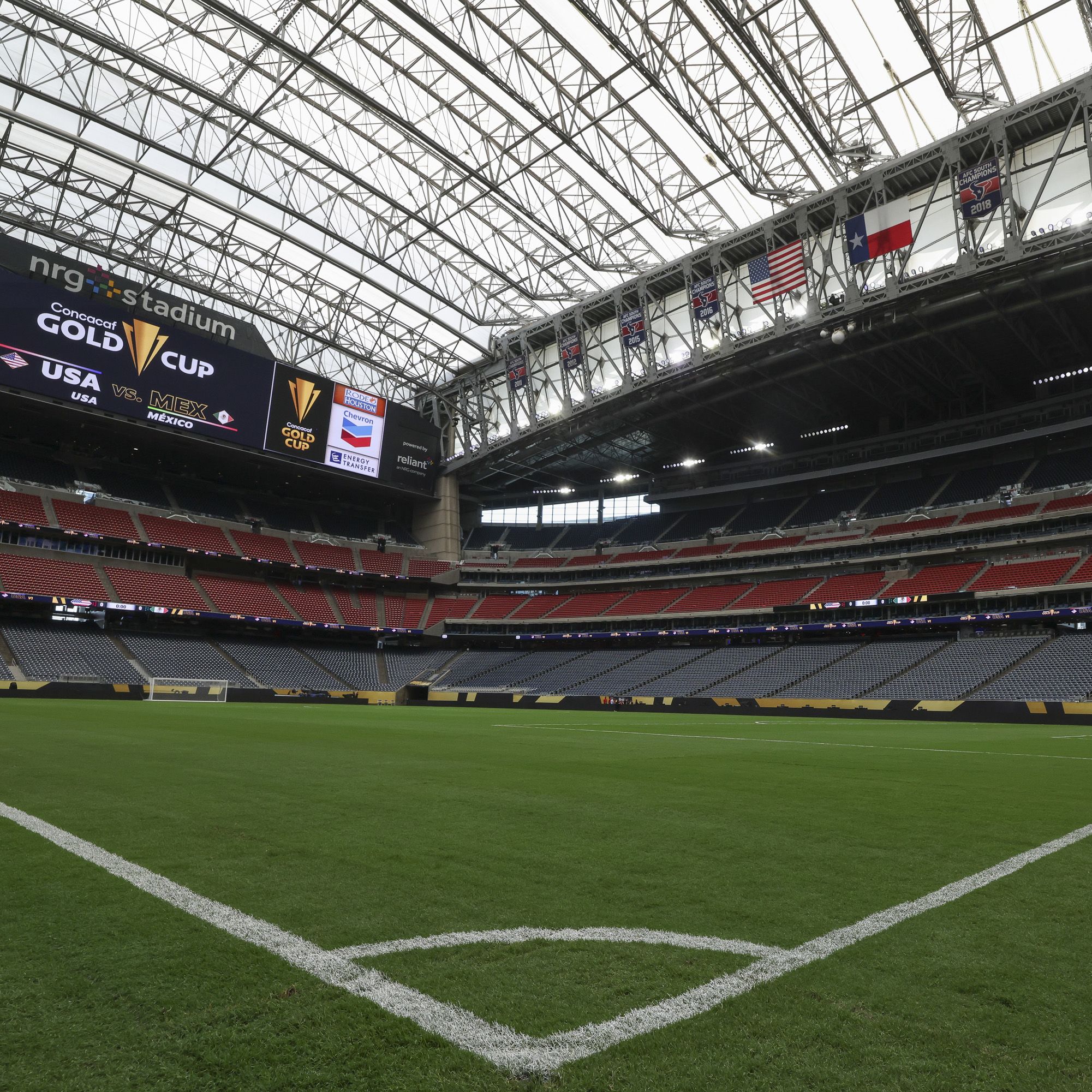
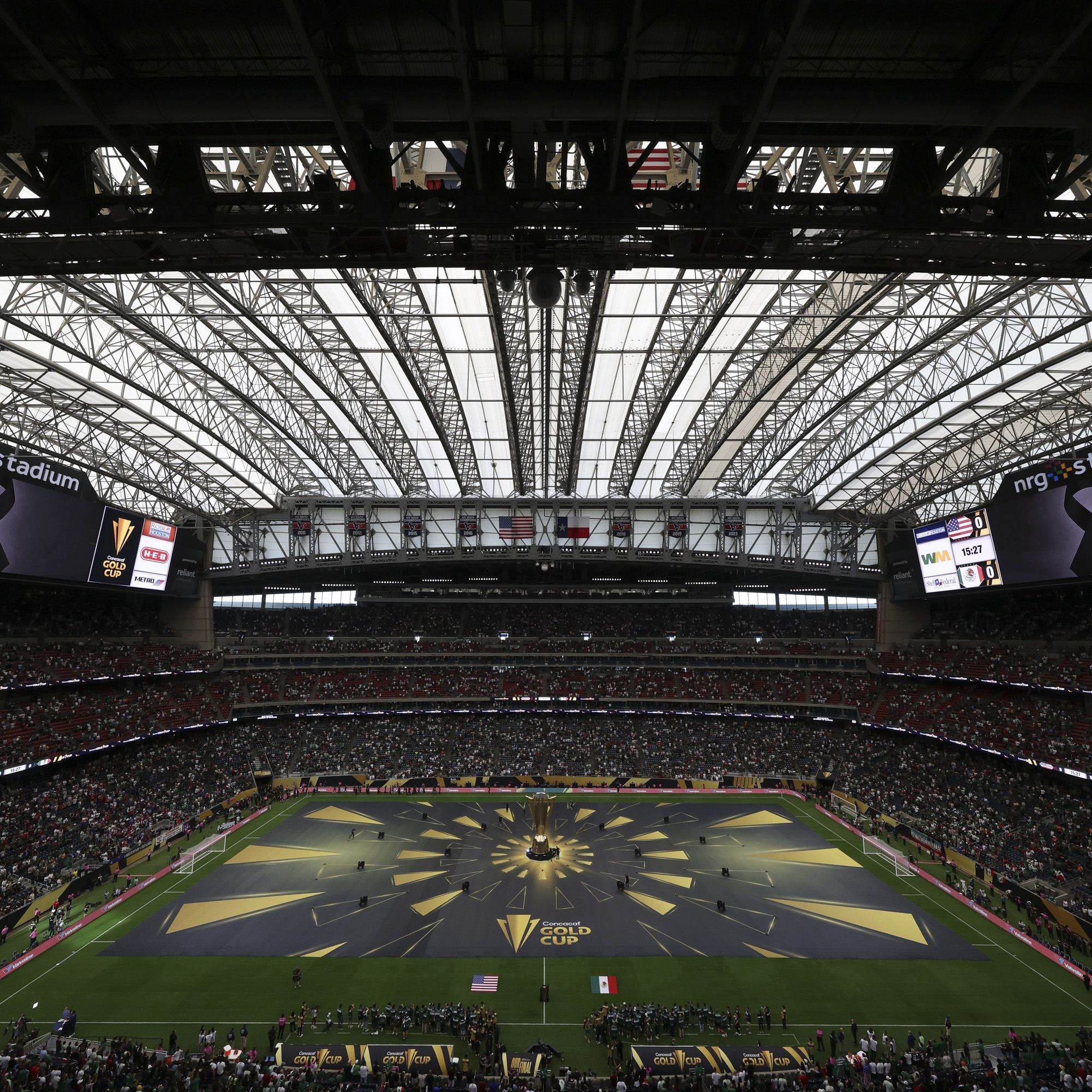
Home to the Houston Texans, this venue became the first NFL stadium with a retractable roof when it opened in 2002. Built at a cost of $352m, it also features climate control – ideal given the hot and humid outdoor conditions expected in June and July.
It initially had a grass pitch but this was replaced with artificial turf in 2015, so a temporary natural playing surface will be installed for the World Cup.
The venue has been used for football on numerous occasions, including Mexico's win against the USA in the 2025 Gold Cup final plus Copa America matches in 2016 and 2024. It has also hosted two Super Bowls, both won by Tom Brady's New England Patriots but memorable for very different reasons.
Janet Jackson's breast was briefly exposed during the half-time show in 2004, while Brady orchestrated the biggest comeback in Super Bowl history in 2017 with the Patriots recovering from 28-3 down to beat the Atlanta Falcons in overtime.
Did you know? The pitch for the World Cup will be laid down after the stadium hosts Houston's annual livestock and rodeo show in March. The three-week event was attended by approximately 2.7m people in 2025 and is the largest of its kind in the world.

Dallas Stadium
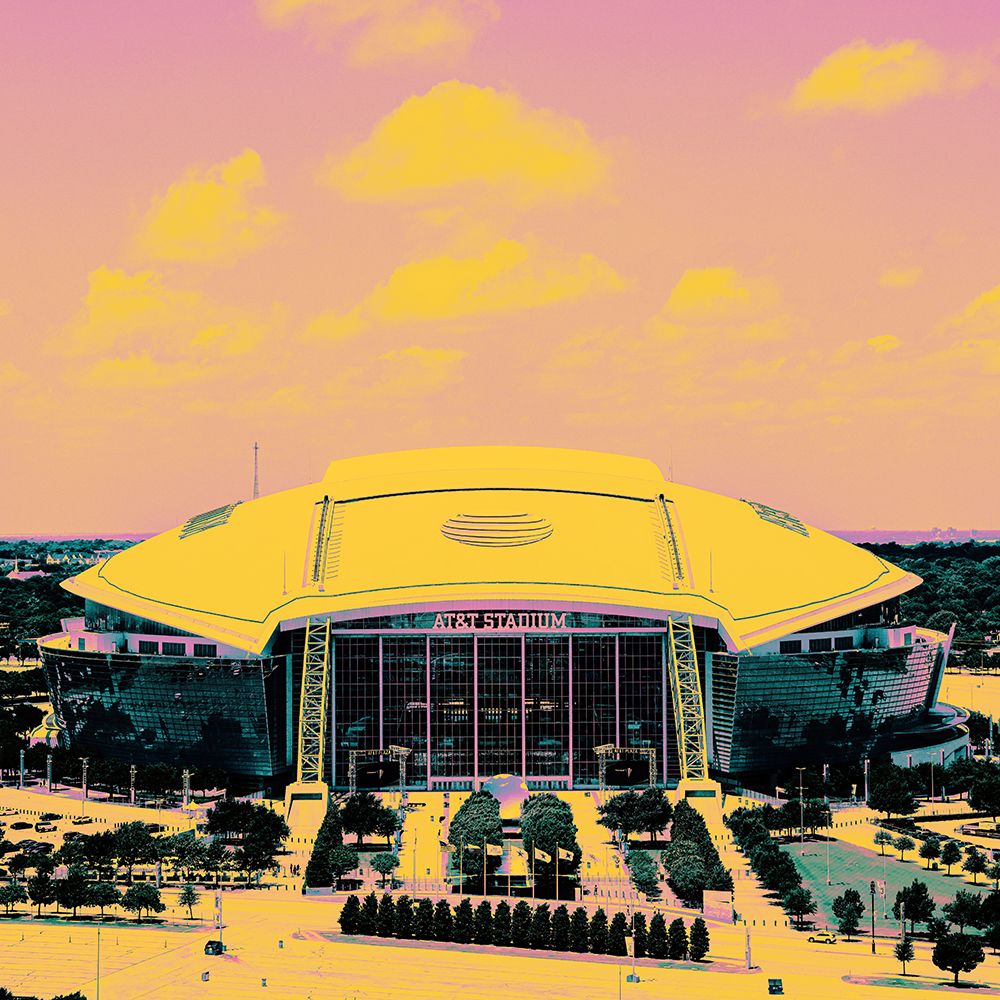
(AT&T Stadium)
Key facts:
- World Cup matches: 9
- Type: Retractable roof, temporary grass pitch
- Capacity: 70,122 (source - Fifa)
- Opened: 2009
- Time difference: -6 hours BST
- Average external daily high in June: 33C
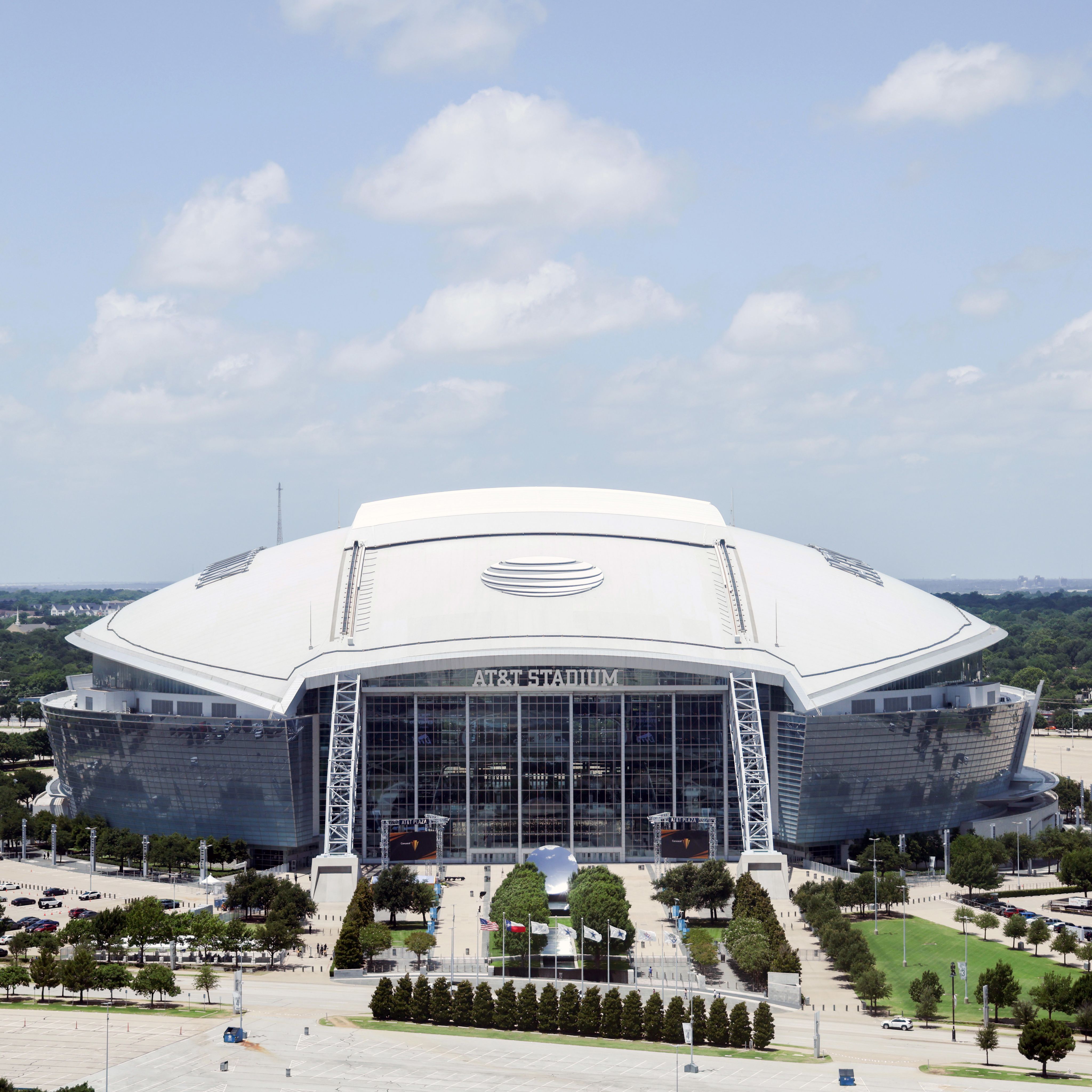
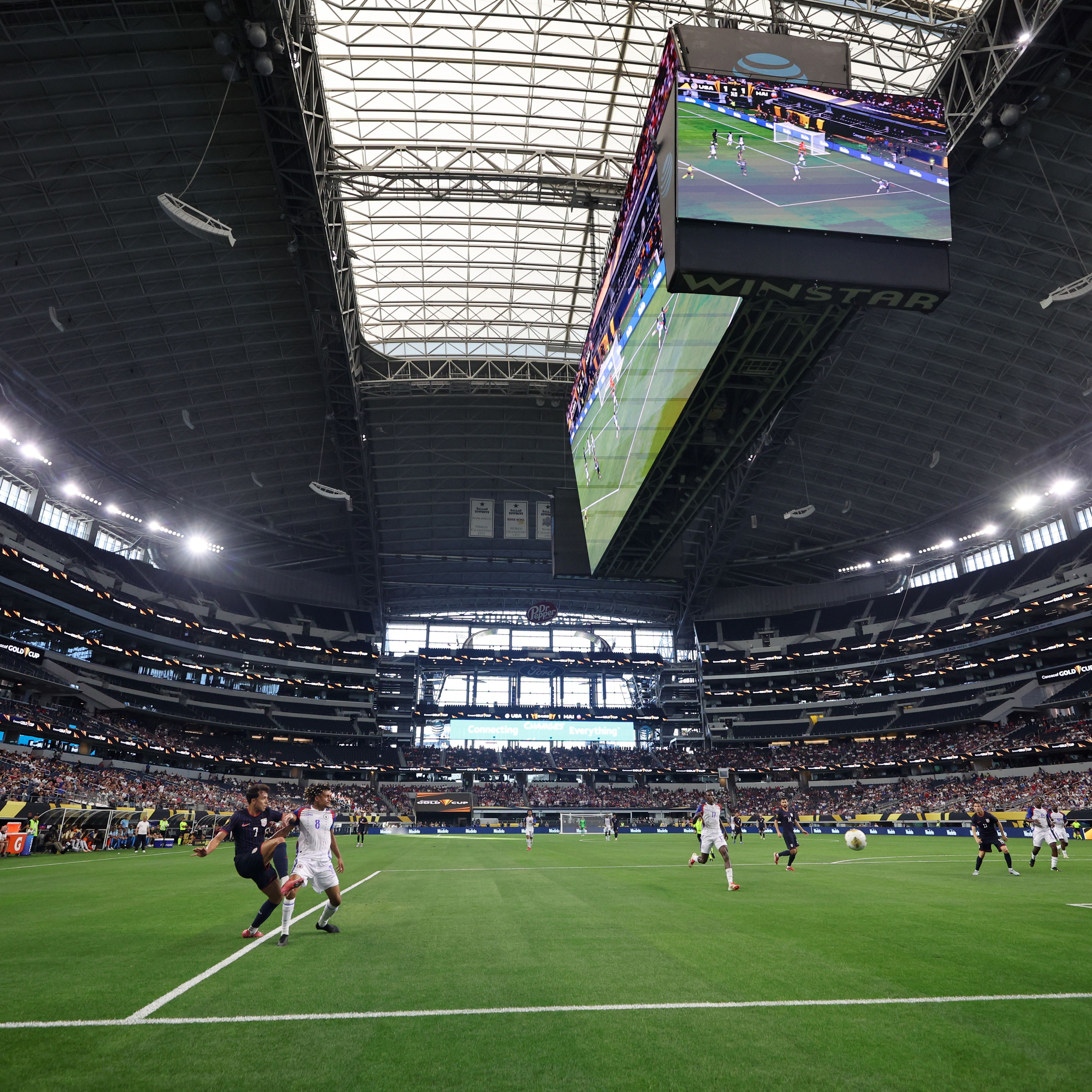
This state-of-the-art stadium, which is equipped with air conditioning to negate Texas' intense summer heat, will host more games than any other venue at the 2026 World Cup. It was initially considered a front-runner for the final, and though New Jersey was ultimately chosen, it will stage the tournament's first semi-final.
It is the base of five-time Super Bowl winners the Dallas Cowboys, who have been dubbed 'America's team' and are ranked as the most valuable sport team in the world.
Located in Arlington, 17 miles west of downtown Dallas, the stadium cost $1.2bn to build, with a further $295m spent on renovations ahead of the World Cup.
Because NFL pitches are 20m narrower than Fifa's standard dimensions, the playing field will be raised to create more space, while a temporary grass surface will also be installed.
With its vast size and strikingly futuristic shape, the stadium has drawn comparisons to the Death Star in Star Wars and just like the fictional superweapon it has a notable flaw.
The setting sun often streams through huge windows at one end during NFL fixtures, dazzling players, though the Cowboys' billionaire owner Jerry Jones gets prickly about the subject and won't allow curtains to be used during Dallas' games.
Cowboys home games are the best attended in the NFL, with average attendances of more than 90,000, including some fans who buy discounted standing tickets. However, the stadium will operate as an all-seater venue at the World Cup with a significantly lower capacity.
Did you know? The stadium is so enormous, New York's Statue of Liberty - which is 93m high - would fit inside it, even with the roof closed.
Kansas City Stadium
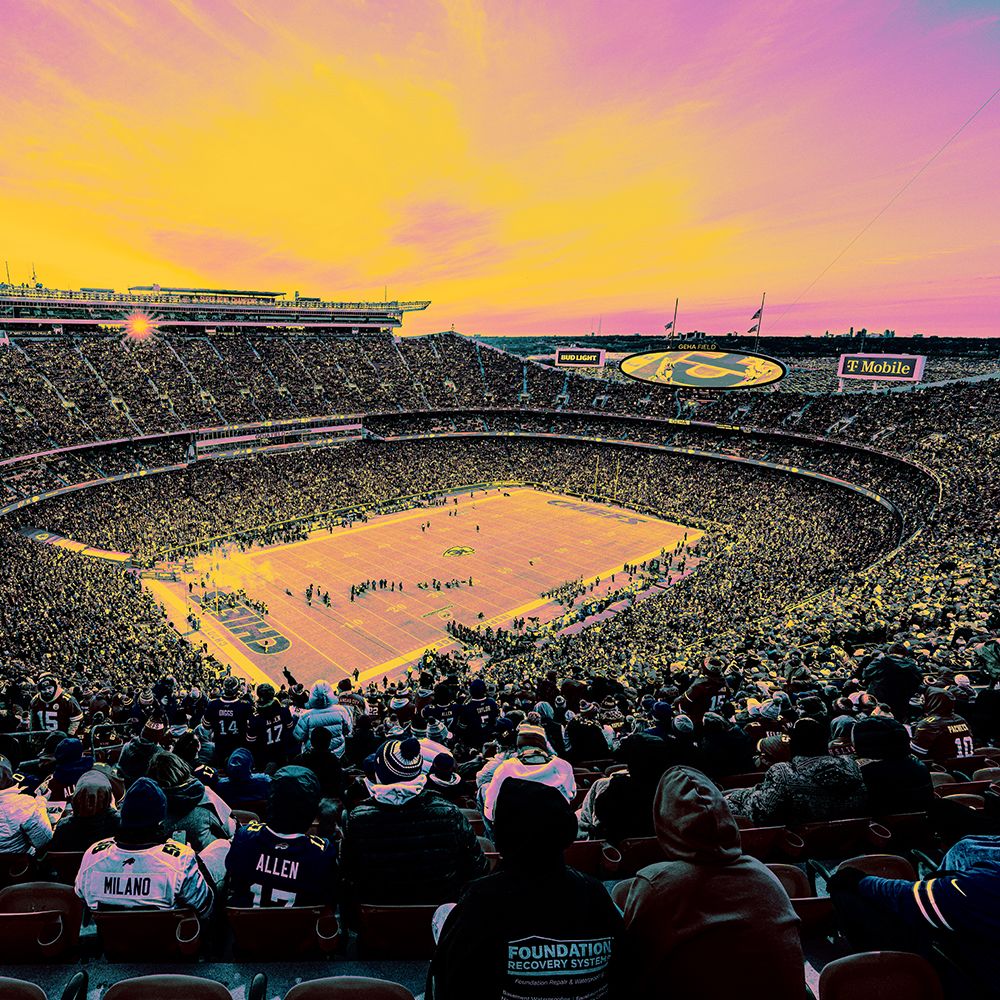
(GEHA Field at Arrowhead Stadium)
Key facts:
- World Cup matches: 6
- Type: Outdoor, permanent grass pitch
- Capacity: 67,513 (source - Fifa)
- Opened: 1972
- Time difference: -6 hours BST
- Average daily high in June: 30C
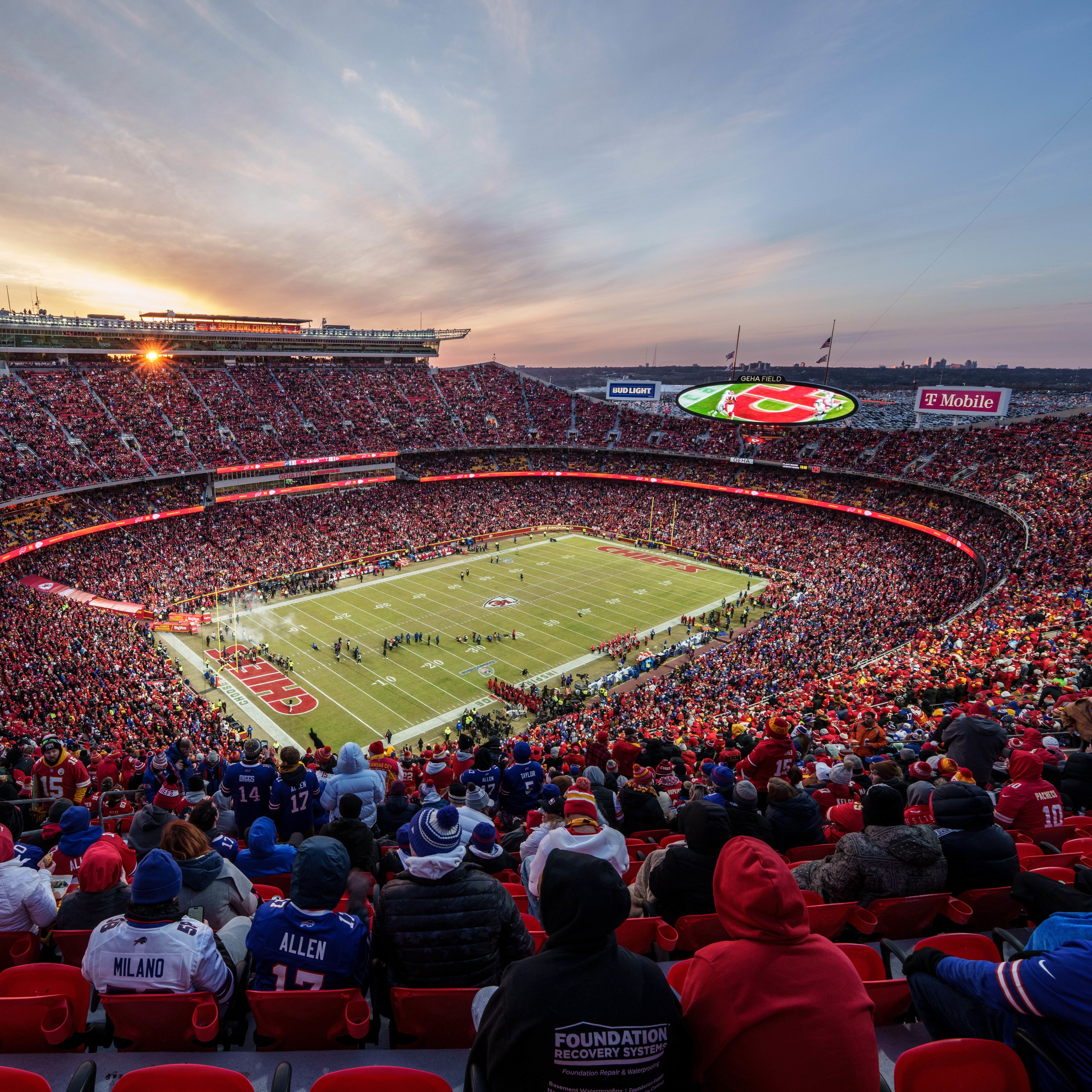
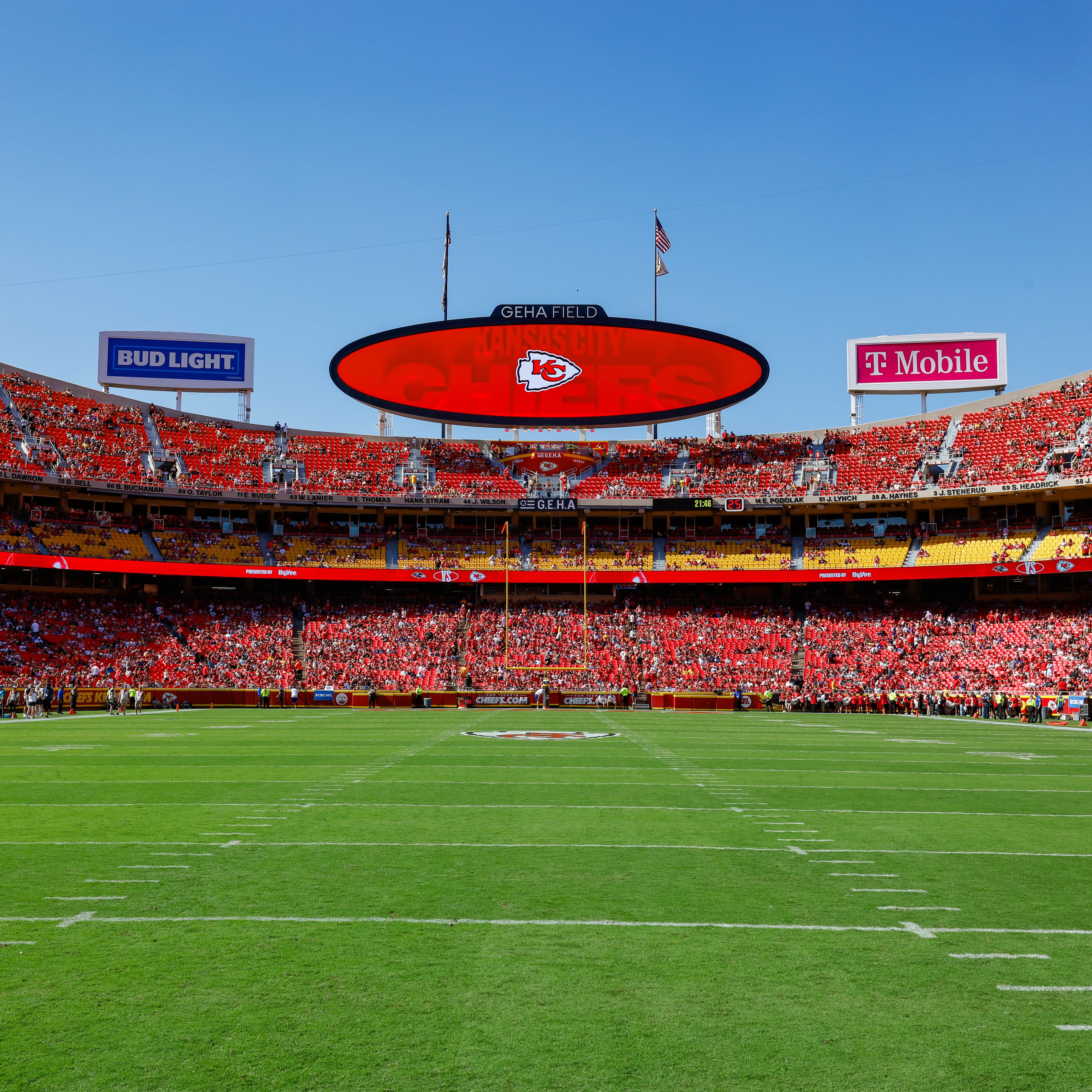
Kansas City's location in America's Midwest makes it perhaps one of the less glamorous host cities at the 2026 World Cup but 'KC' has plenty of football pedigree, plus one of the USA's most distinctive and atmospheric venues – a welcome contrast to many of the ultra-modern stadia at the tournament.
Normally known as Arrowhead Stadium, this open-air bowl was inaugurated in 1972 and is steeped in gridiron history. Home to four-time Super Bowl winners the Kansas City Chiefs, it is the third oldest ground in current use by an NFL team, though it was given a major facelift in 2010, when a $375m renovation project was completed.
It is famed for its acoustics, having been deliberately designed to amplify crowd noise and channel sound towards the field.
Did you know? In 2014, Chiefs fans set a Guinness World Record for the loudest noise at a sports stadium, generating 142.4 decibels – comparable to the noise heard when standing 30m from a jet engine.
Eastern Region


Atlanta Stadium
(Mercedes-Benz Stadium)
Key facts:
- World Cup matches: 8
- Type: Retractable roof, temporary grass pitch
- Capacity: 67,382
- Opened: 2017
- Time difference: -5 hours BST
- Average external daily high in June: 30C
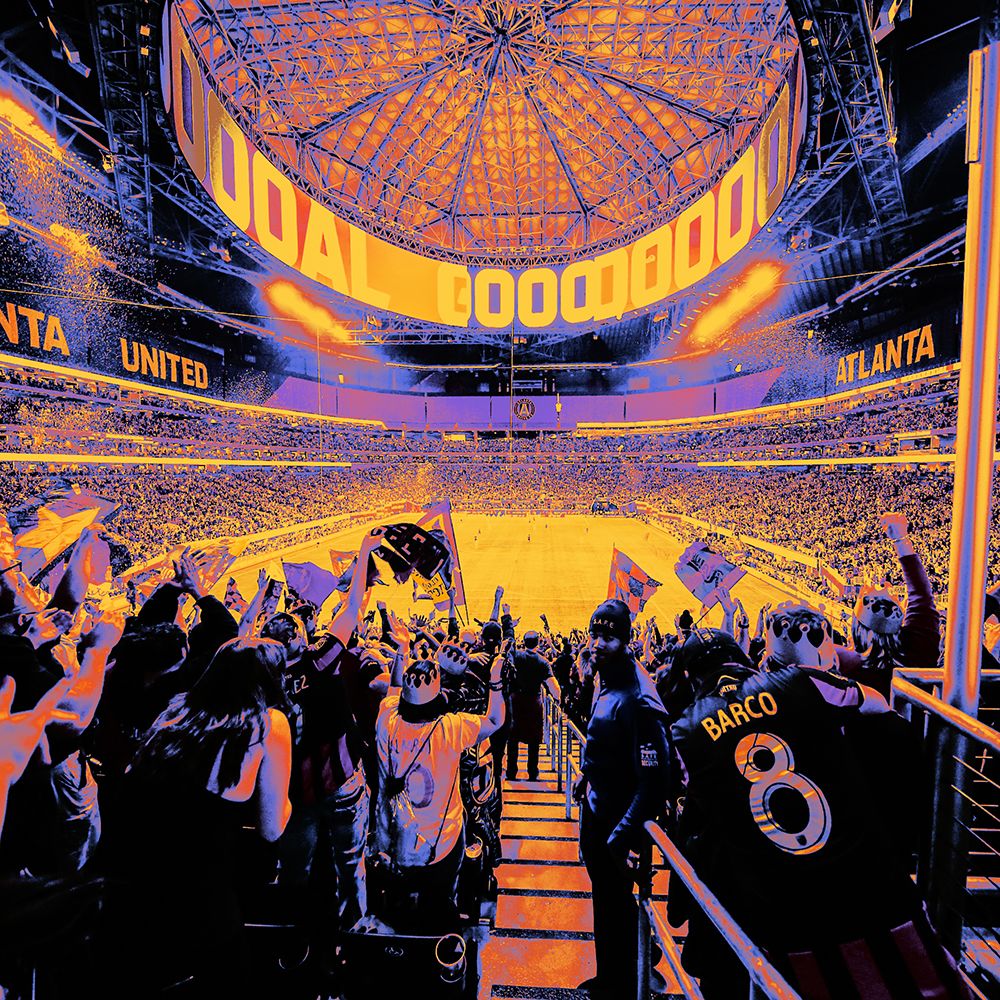
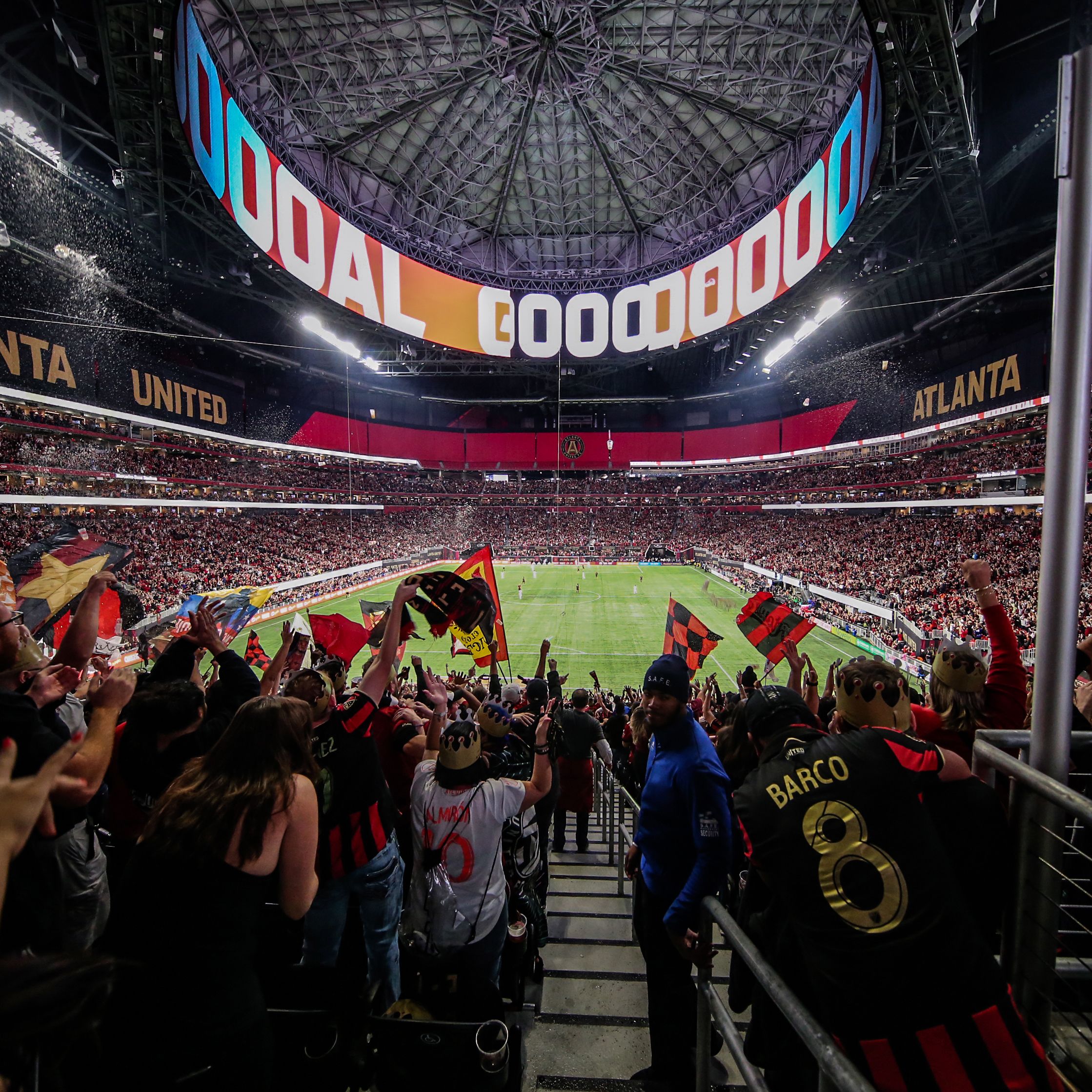
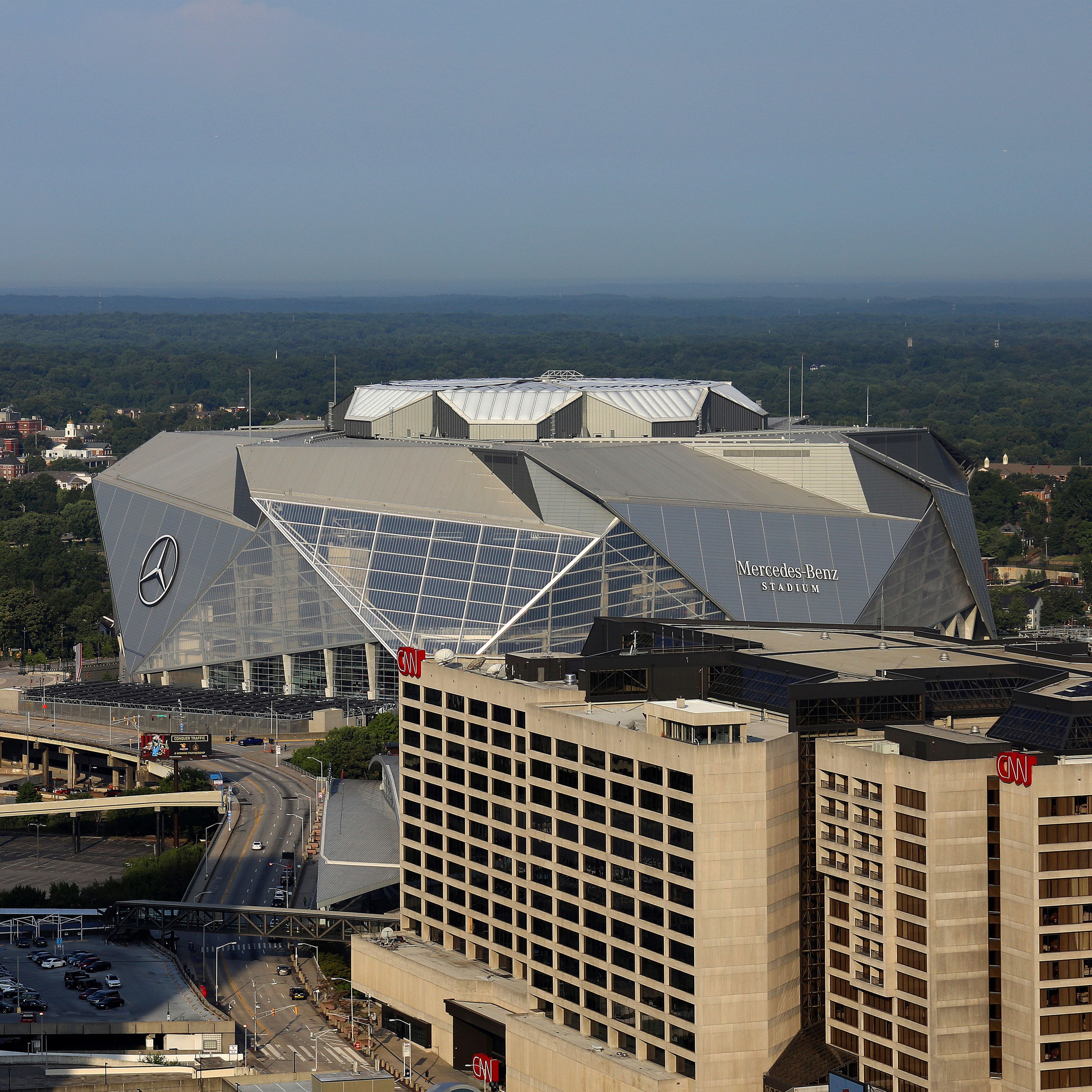
Built at a reported cost of approximately $1.6bn, this spectacular, air-conditioned venue has a retractable oval roof formed by eight enormous intersecting petals, which open and close like a camera's aperture.
Architects say the design was inspired by the Pantheon in Rome, which also allows in natural light through a circular opening at the top of its dome. Another of the stadium's standout features is a giant 360-degree wrap-around 'halo' video screen, which is 327m long and uses over 37 million LEDs.
The ground is usually known as Mercedes-Benz Stadium but Fifa don't permit venues with sponsored names so, in common with most of the 2026 stadiums, it will adopt a generic title at the World Cup. Eight games will take place in Atlanta, including the tournament's second semi-final.
Artificial turf is normally used there but to meet Fifa requirements a temporary grass surface will be installed, as will also be the case in Boston, Dallas, Houston, Los Angeles, New Jersey, Seattle and Vancouver.
The stadium, which is the base for NFL franchise the Atlanta Falcons and MLS side Atlanta United, is unusual amongst US venues because it is conveniently located within the heart of the city, rather than on the outskirts.
Did you know? Atlanta Stadium operators pride themselves on the reasonable price of food and drink. Hot dogs were available for just $2 at the 2025 Club World Cup.
Miami Stadium
(Hard Rock Stadium)
Key facts:
- World Cup matches: 7
- Type: Outdoor, permanent grass pitch
- Capacity: 64,091 (source - Fifa)
- Opened: 1987
- Time difference: -5 hours BST
- Average daily high in June: 31C
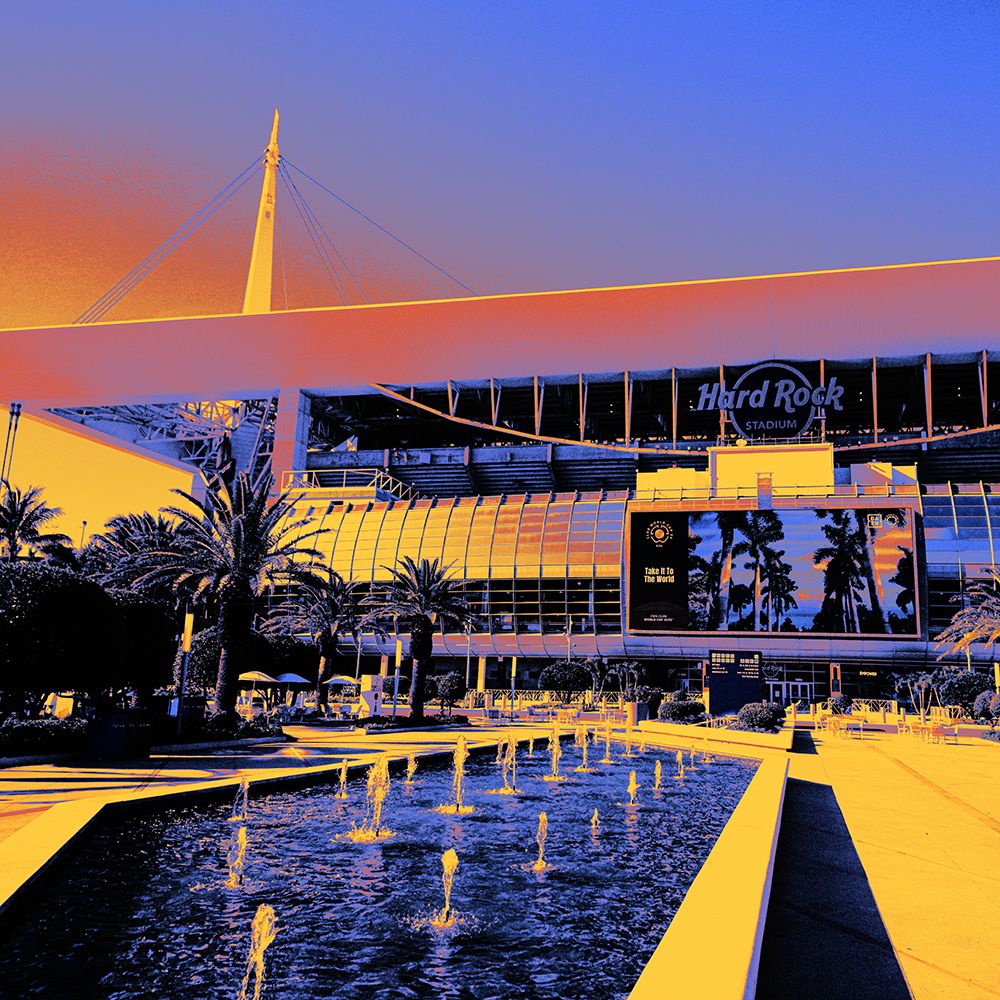
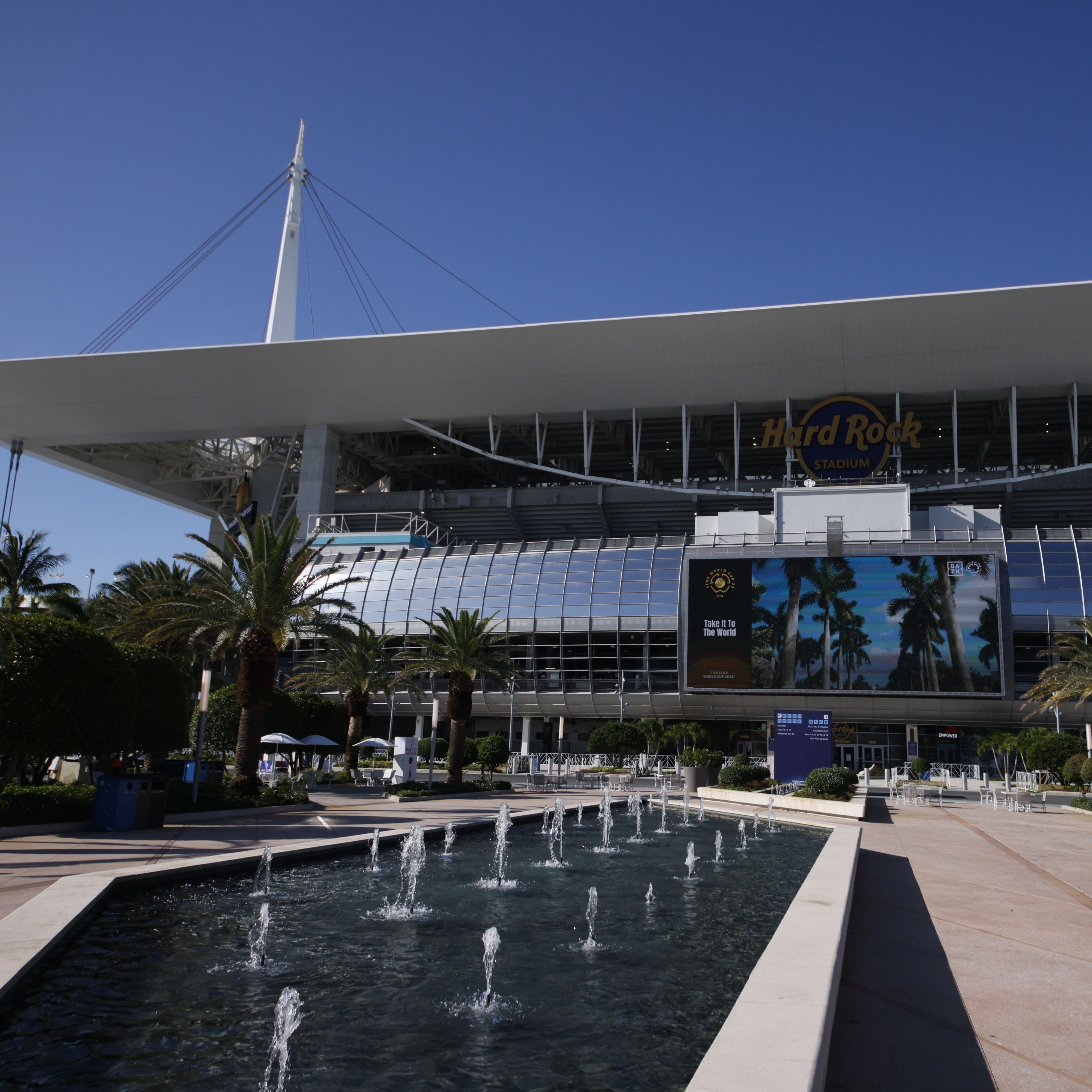
Miami is the US venue where weather is the biggest concern, with stifling heat and humidity meaning that watching football - let alone playing - can be an uncomfortable experience in June and July.
While the climate in Atlanta, Houston and Dallas can be similarly oppressive, the World Cup stadia there will operate with closed roofs and air conditioning, but that isn't an option for Miami's open-air stadium.
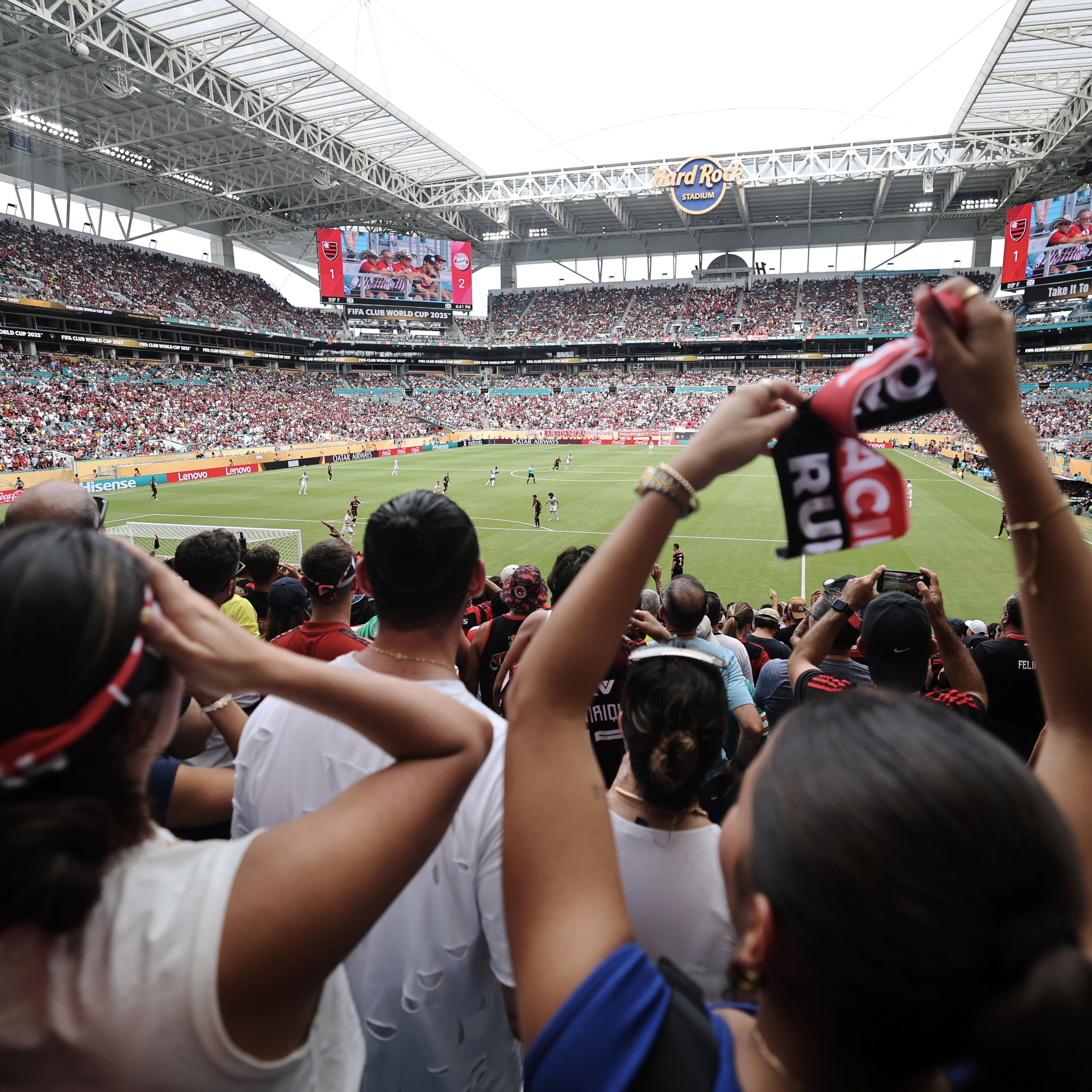
Evening kick-offs may be the only way to mitigate the risk to players' health, although conditions could still be a factor. The opening game of the 2025 Club World Cup kicked off at 8pm local time in Miami, when the temperature was still 28C.
The venue itself, which lies 13 miles north of the city centre, is home to the Miami Dolphins and has hosted six Super Bowls. The Miami Open tennis tournament is staged inside the stadium annually, while a Formula 1 Grand Prix has been held on a temporary circuit running around the site since 2022.
Did you know? Miami was the scene of the chaotic Copa America final between Argentina and Colombia in 2024, which was delayed by 80 minutes after ticketless fans forced their way into the stadium.
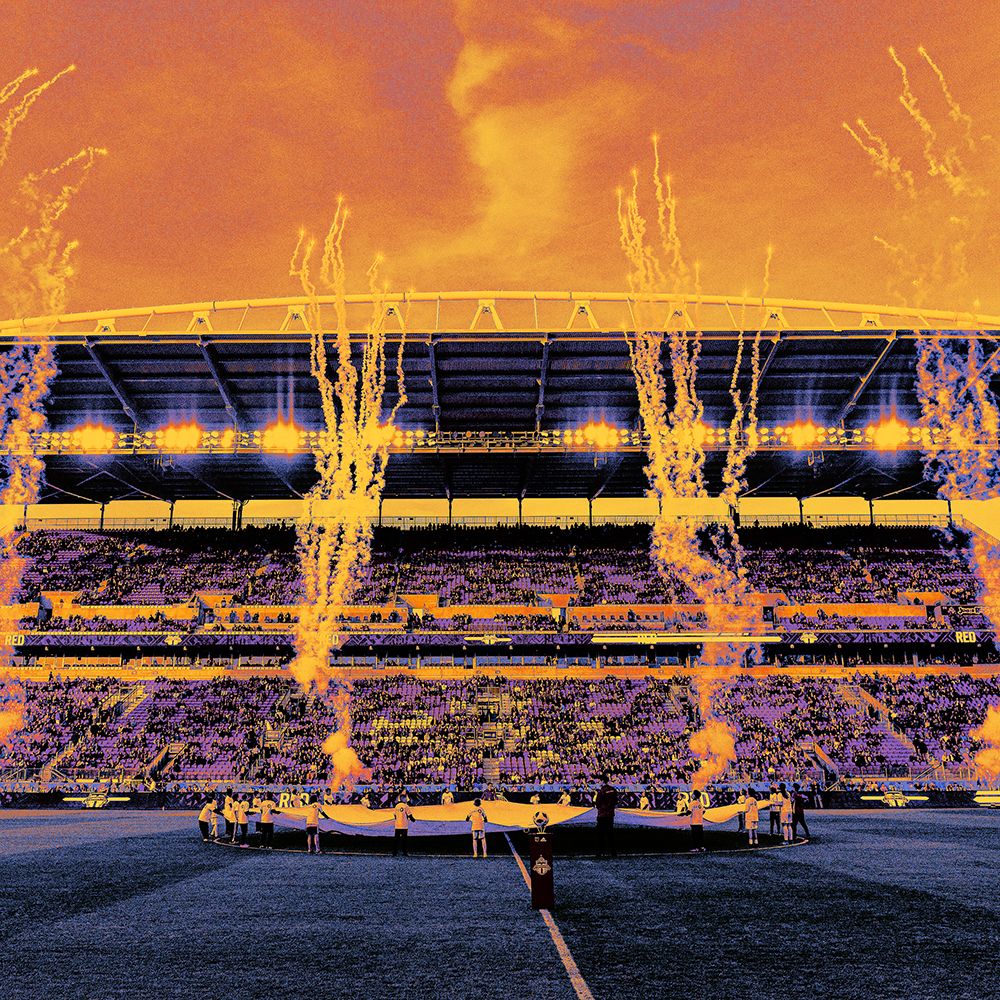
Toronto Stadium
(BMO Field)
Key facts:
- World Cup matches: 6
- Type: Outdoor, permanent grass pitch
- Capacity: 44,315 (source - Fifa)
- Opened: 2007
- Time difference: -5 hours BST
- Average daily high in June: 23C
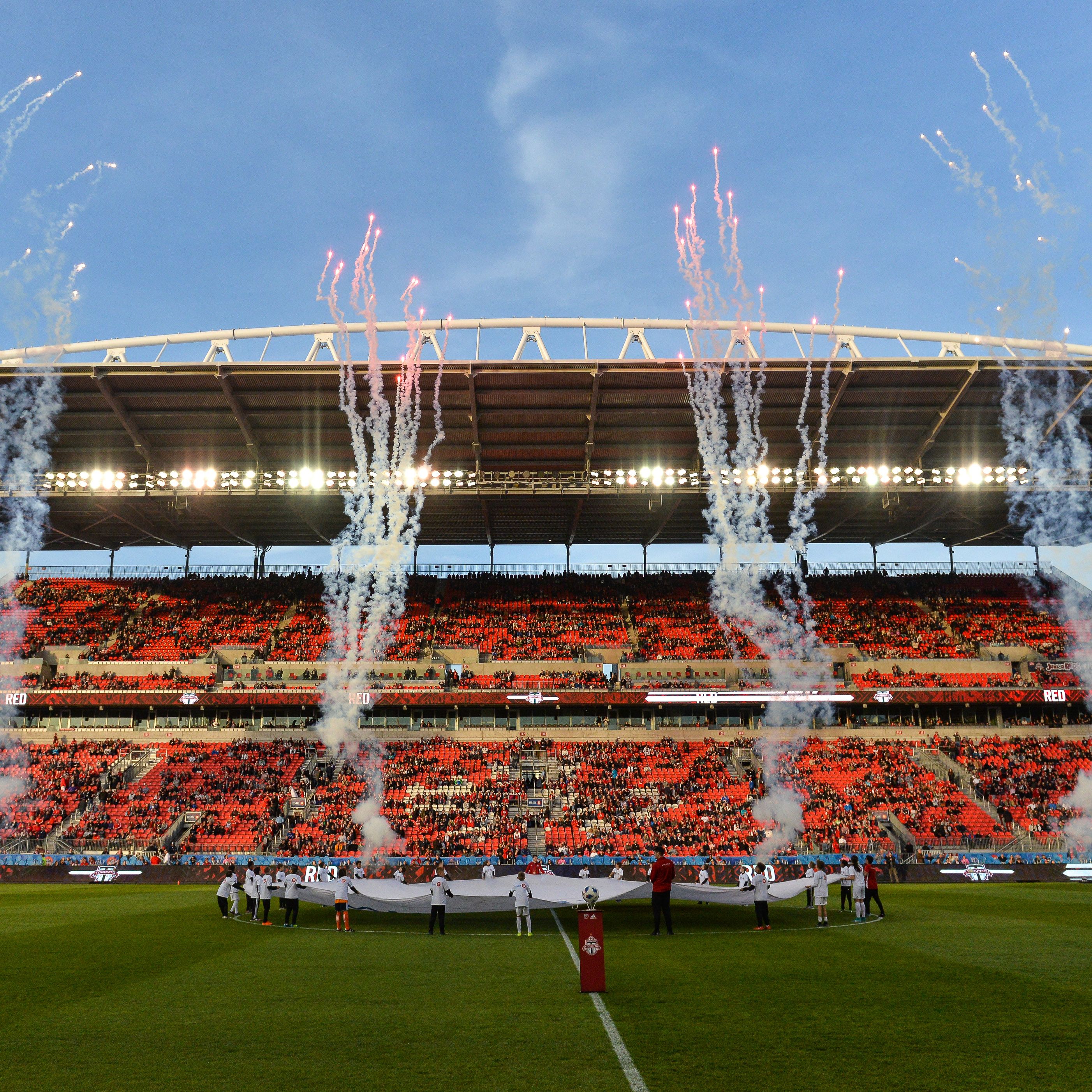
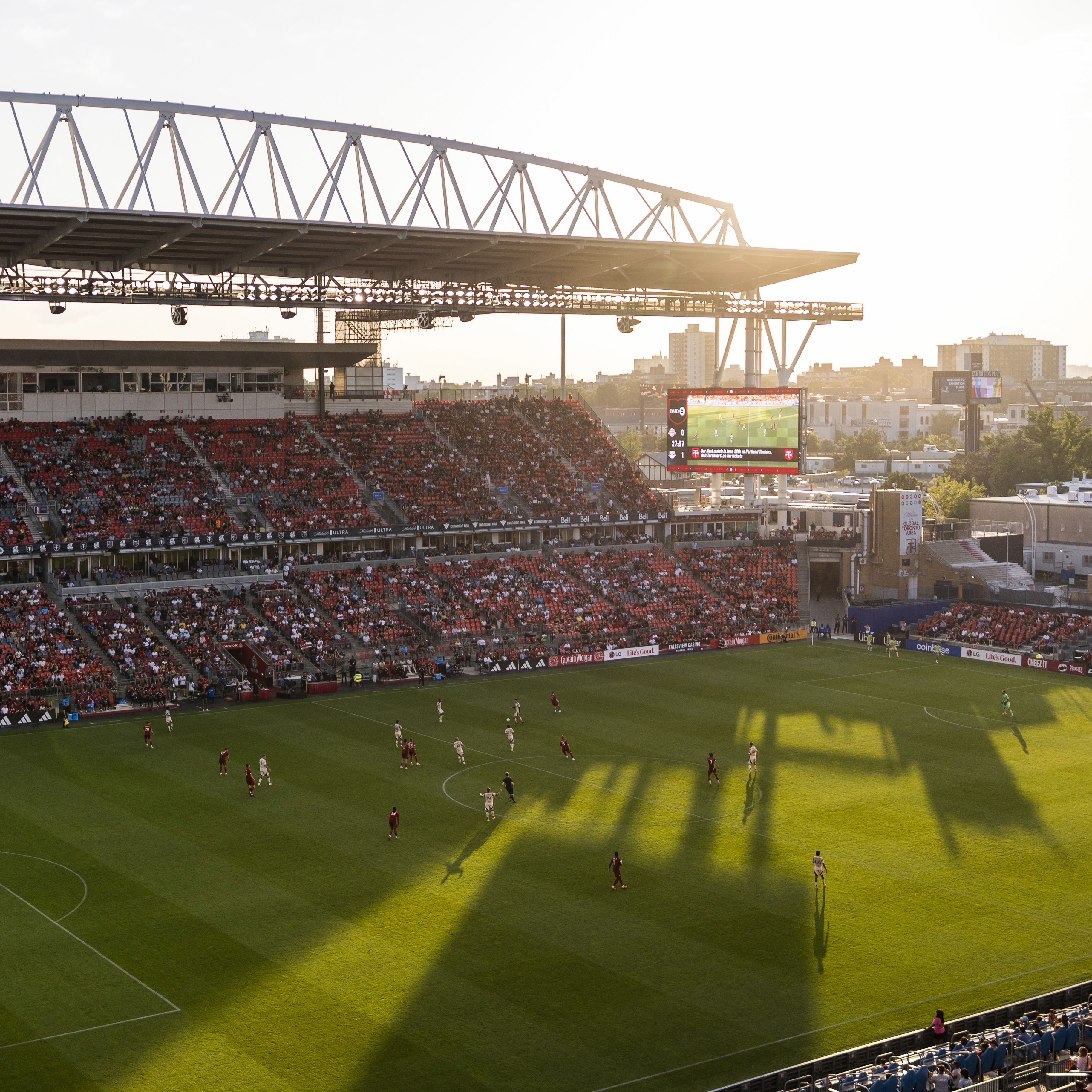
Canada's national team have played almost half of their home games in this stadium since it opened and will begin their World Cup campaign there on 12 June before switching to Vancouver for the remaining two group matches.
Located on the western shore of Lake Ontario, it was built as a venue for the 2007 Fifa Under-20 World Cup and to provide a home for Toronto FC, which became an MLS expansion side the same year. The Toronto Argonauts, who play in the Canadian Football League (similar to the NFL), are also normally based there.
The capacity will be upgraded for the World Cup with 17,000 temporary seats added to the stadium's north and south stands.
Did you know? The stadium lies a couple of miles from the city's most famous landmark, the 553m-high CN Tower. It was the tallest freestanding structure in the world until being surpassed in 2007.

Boston Stadium
(Gillette Stadium)
Key facts:
- World Cup matches: 7
- Type: Outdoor, temporary grass pitch
- Capacity: 63,815 (source - Fifa)
- Opened: 2002
- Time difference: -5 hours BST
- Average daily high in June: 26C
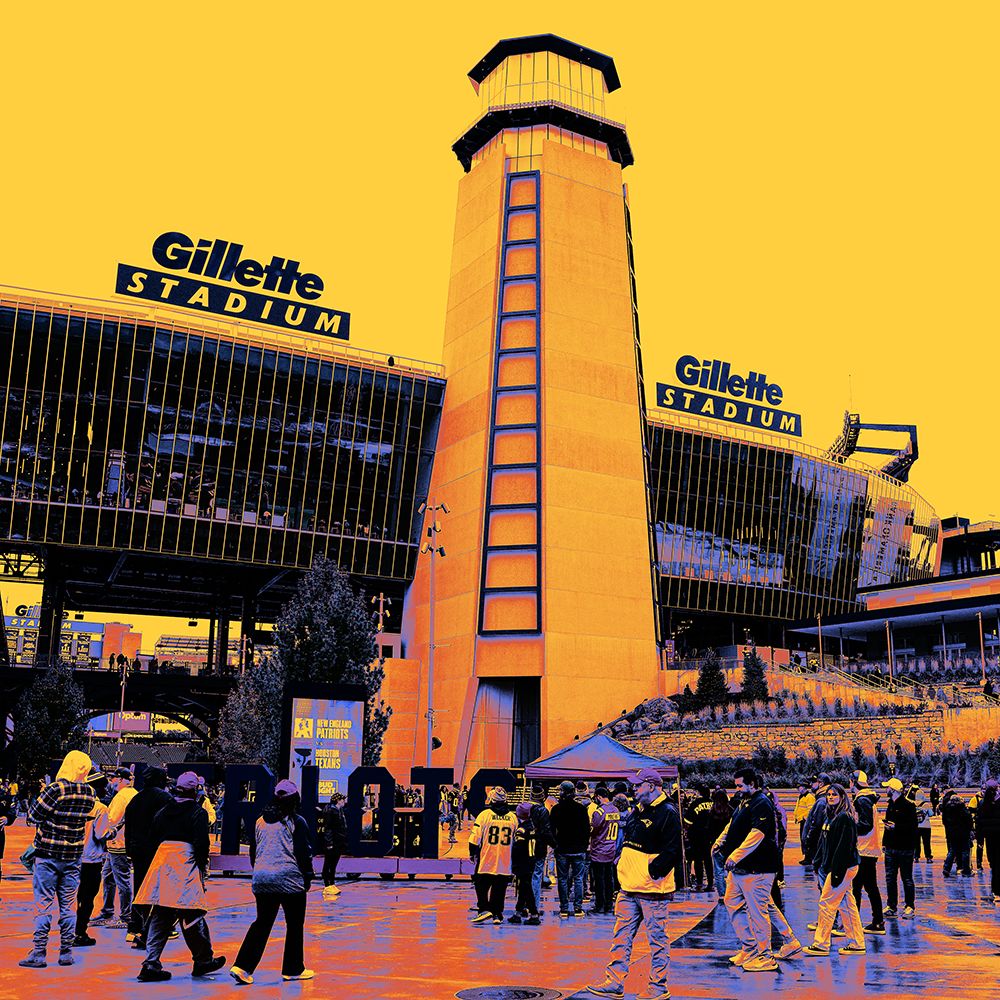
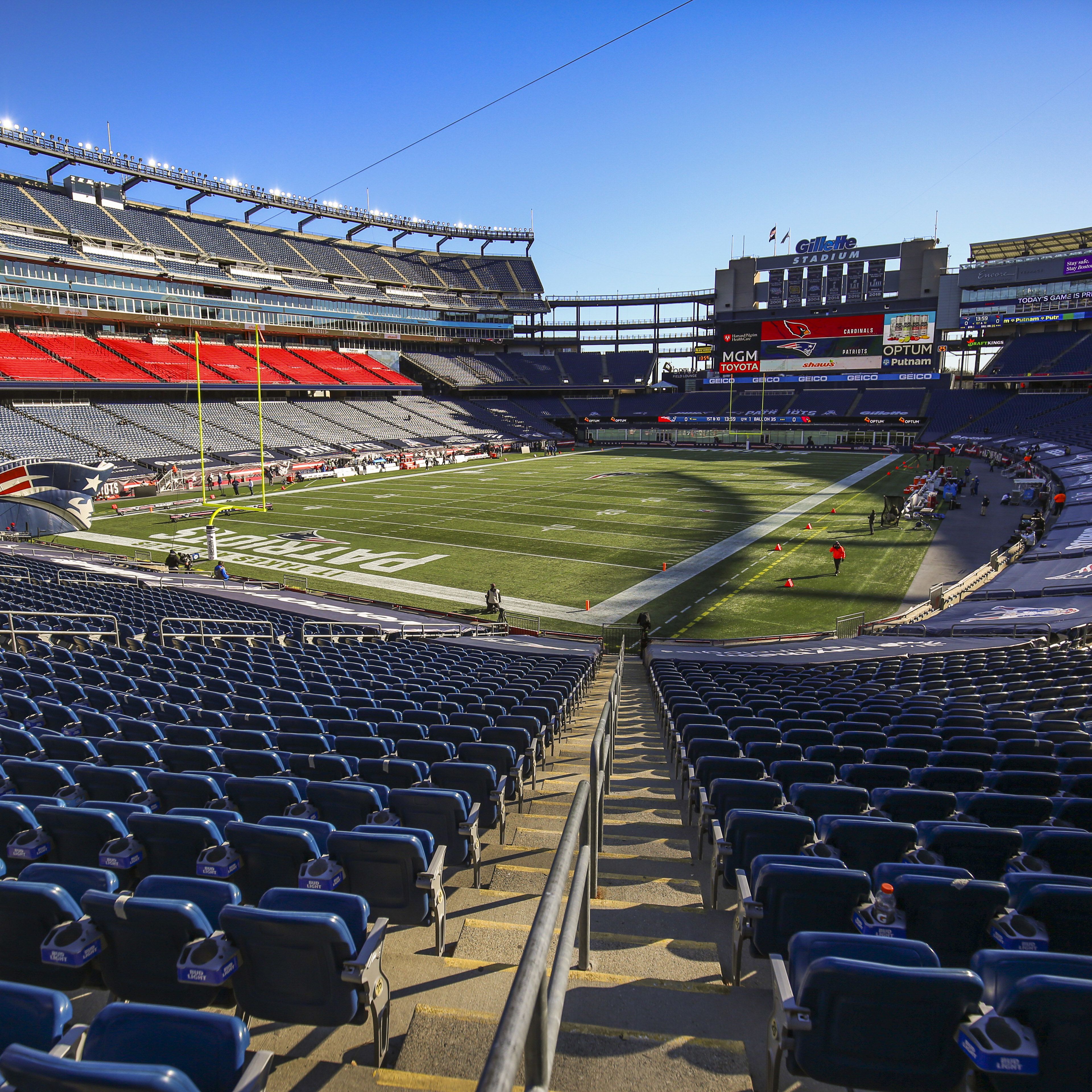
Home to six-time Super Bowl winners the New England Patriots and MLS side New England Revolution, this open-air venue lies in the town of Foxborough, 20 miles south-west of Boston.
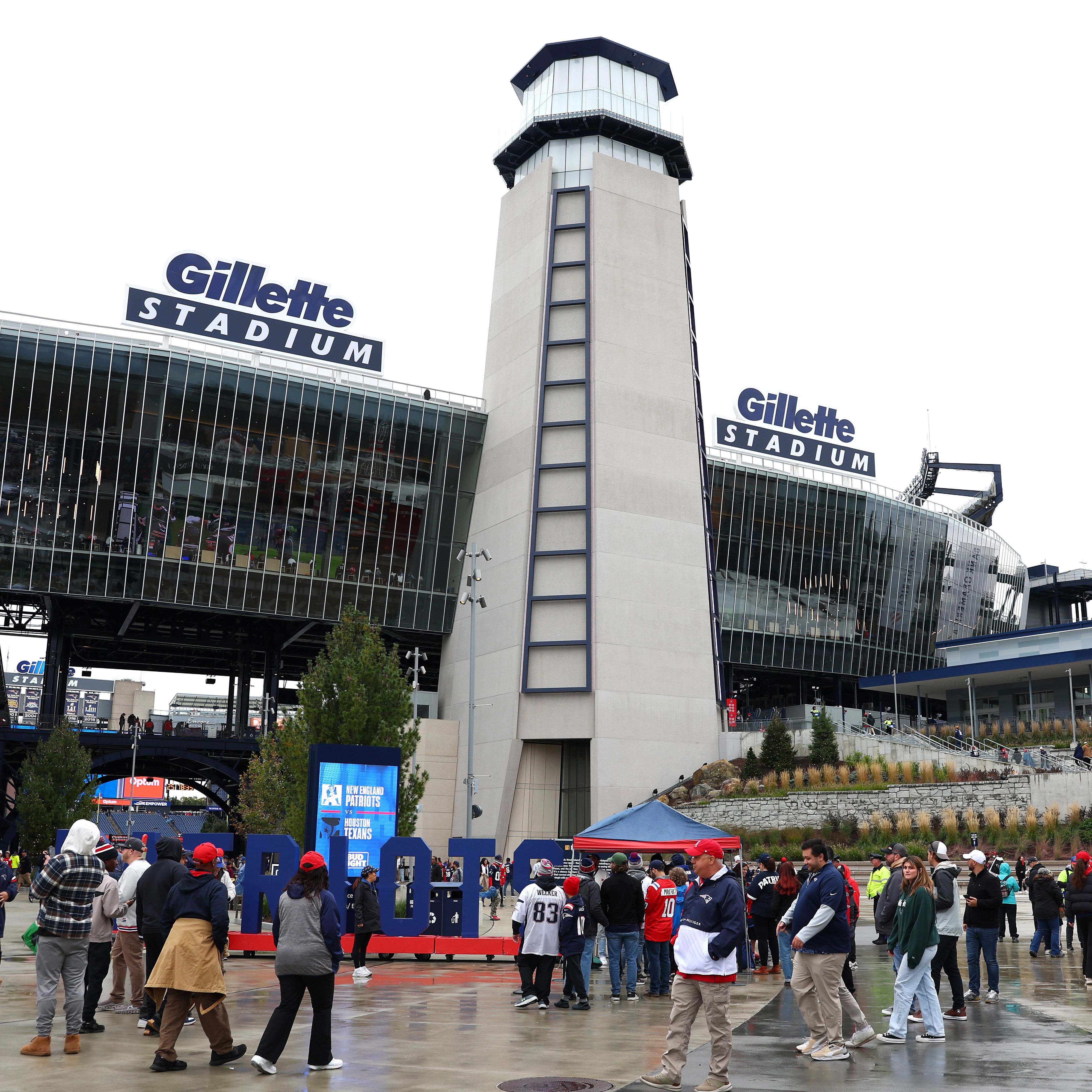
Though more than 20 years old, it was renovated in 2023 at a cost of $250m and, in a nod to Massachusetts' maritime heritage, is now overlooked by a 66m-high artificial lighthouse - the stadium's operators claim it is the USA's tallest "non-traditional" lighthouse.
A bronze statue of legendary former Patriots quarterback Tom Brady was erected next to the lighthouse in August 2025.
The venue staged four games at the Women's World Cup in 2003 and was built on the same site as the now demolished Foxboro Stadium, which hosted six men's matches in 1994.
Did you know? Foxboro was the scene of Diego Maradona's infamous
eye-bulging celebration after scoring for Argentina at USA '94, a few days before failing a drug test.
Philadelphia Stadium
(Lincoln Financial Field)
Key facts:
- World Cup matches: 6
- Type: Outdoor, permanent grass pitch
- Capacity: 65,827 (source - Fifa)
- Opened: 2003
- Time difference: -5 hours BST
- Average daily high in June: 28C
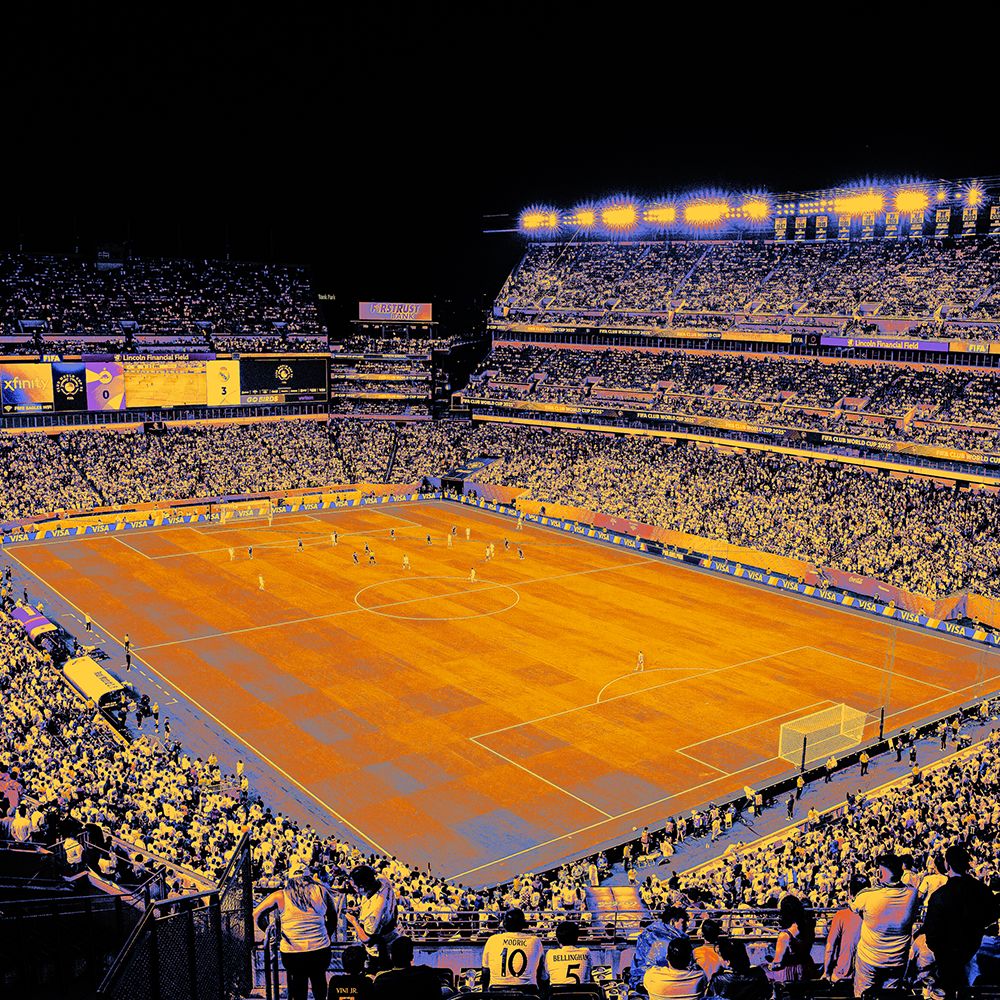
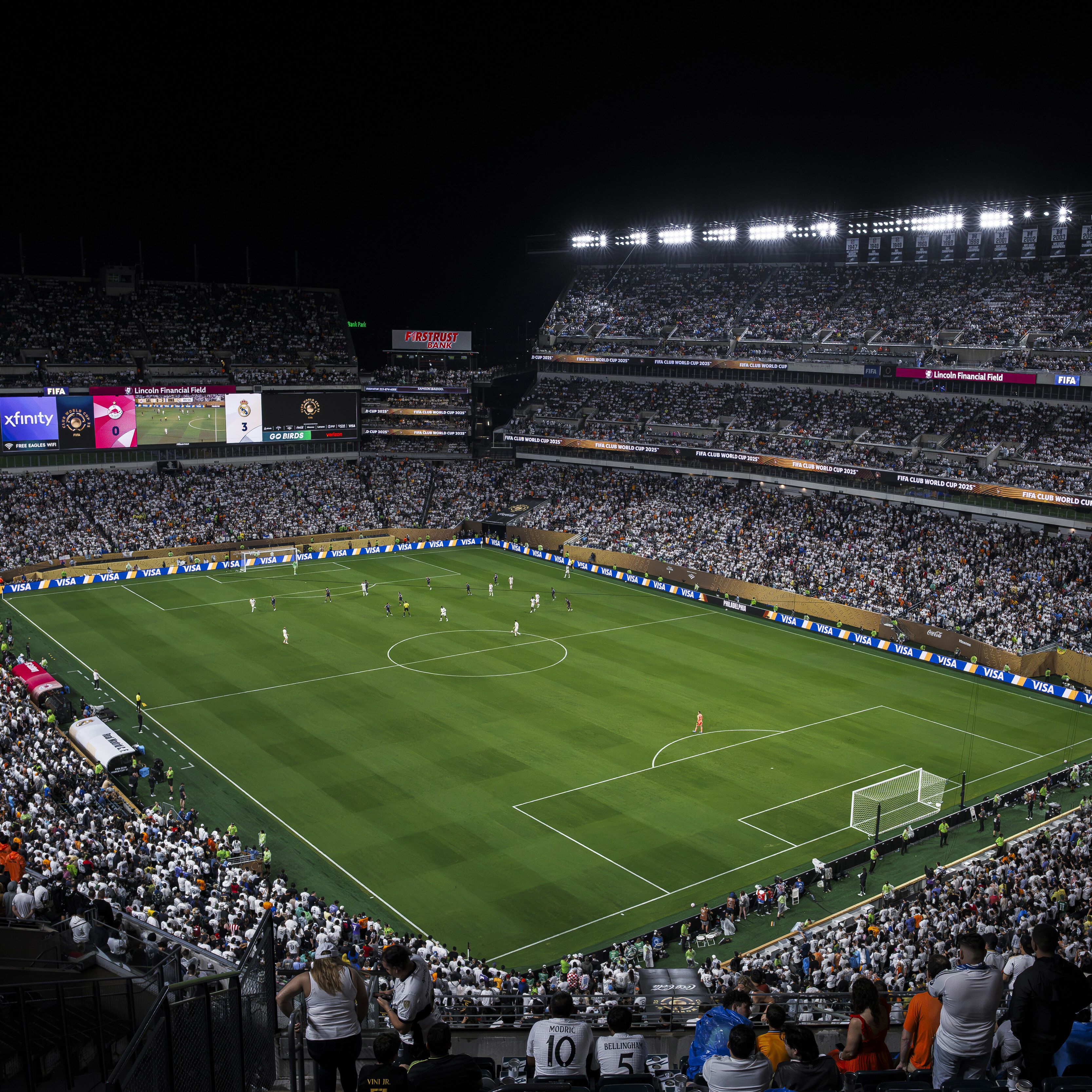
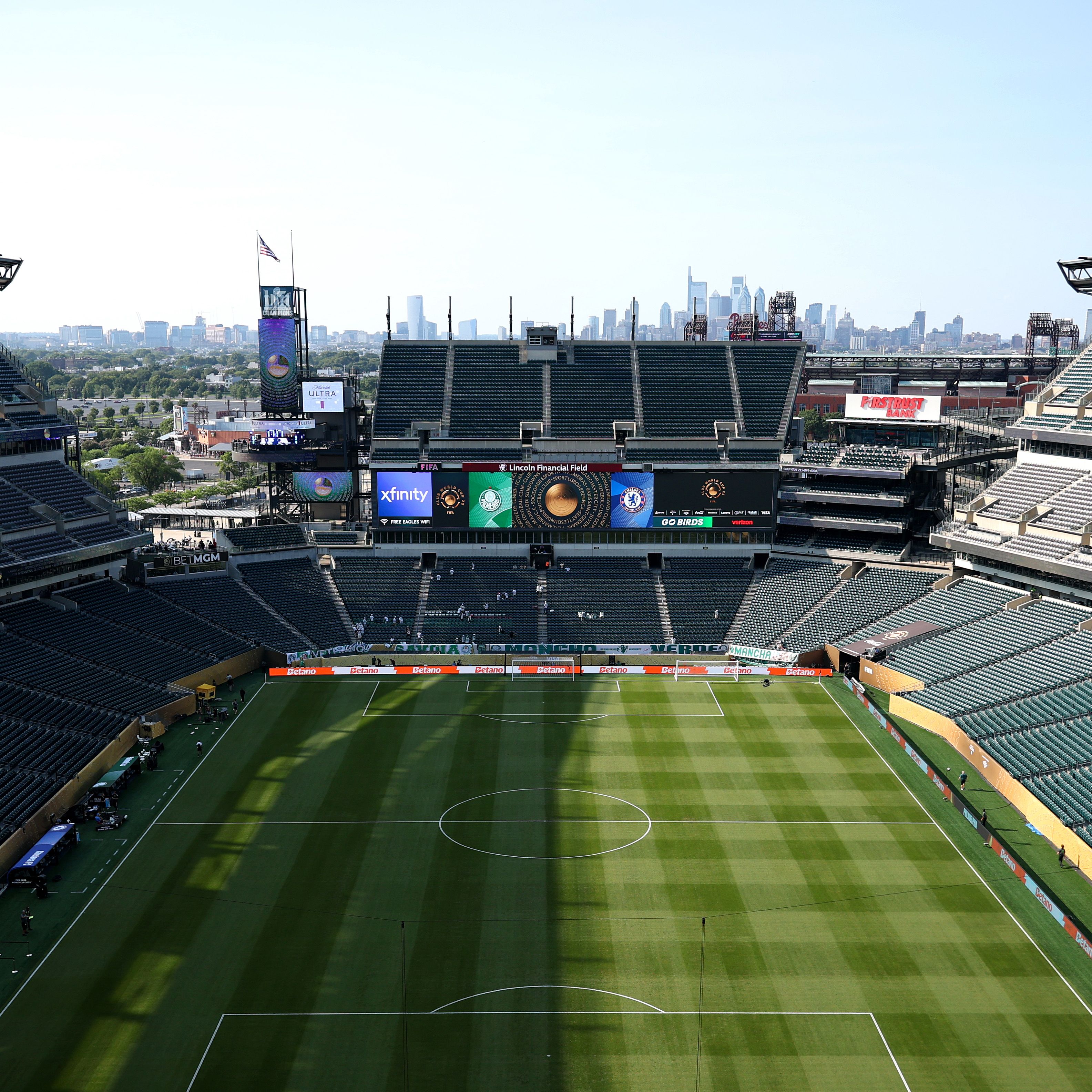
This open-air venue is used by 2025 Super Bowl winners the Philadelphia Eagles and is considered one of the most environmentally friendly stadiums in the NFL.
It features more than 10,000 solar panels, which generate enough electricity to offset approximately a third of the stadium's annual energy usage.
Dubbed The Linc by Eagles fans, the stadium forms part of the South Philadelphia Sports Complex, a 260-acre site which also includes the home of the city's baseball team and an indoor venue shared by Philly's basketball, ice hockey and lacrosse sides.
Did you know? The US Declaration of Independence was signed in Philadelphia, which is known as 'The City of Brotherly Love' because its name is derived from the Greek words for love and brother.
New York New Jersey Stadium
(MetLife Stadium)
Key facts:
- World Cup matches: 8
- Type: Outdoor, temporary grass pitch
- Capacity: 78,576 (source - Fifa)
- Opened: 2010
- Time difference: -5 hours BST
- Average daily high in June: 27C
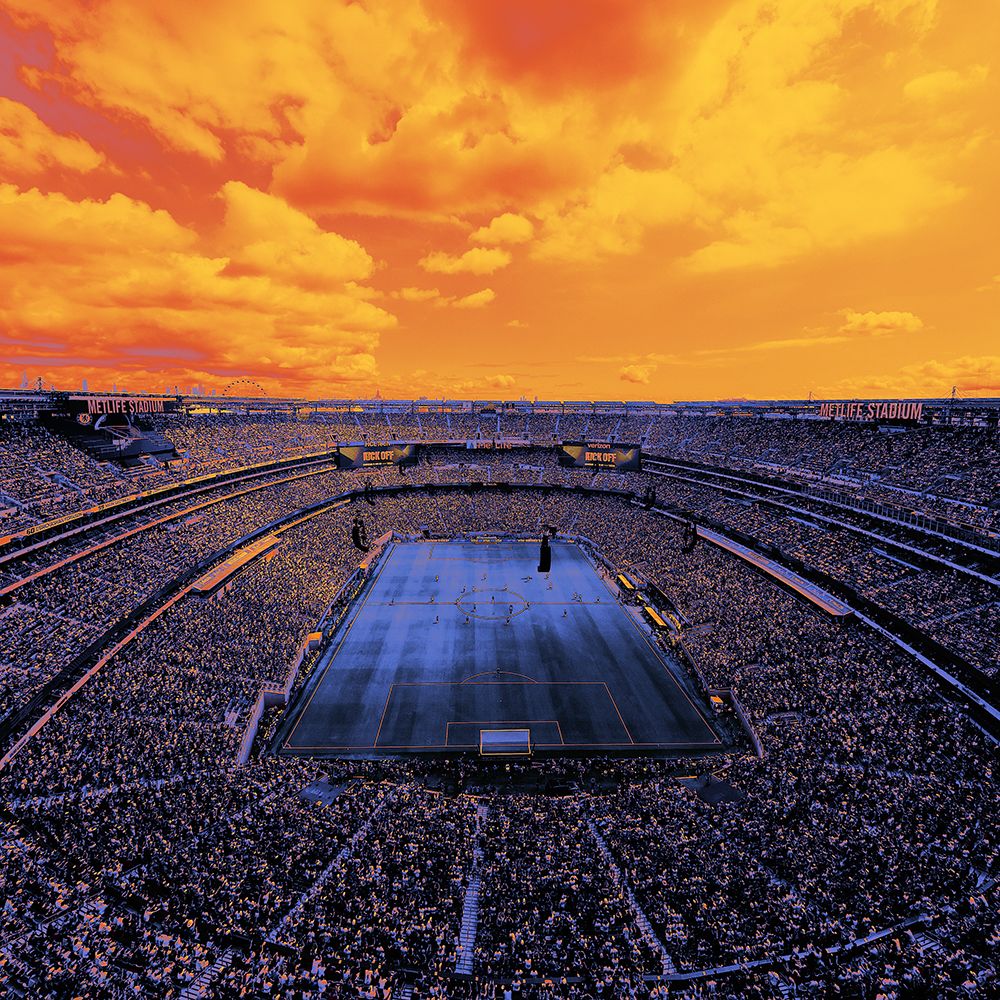
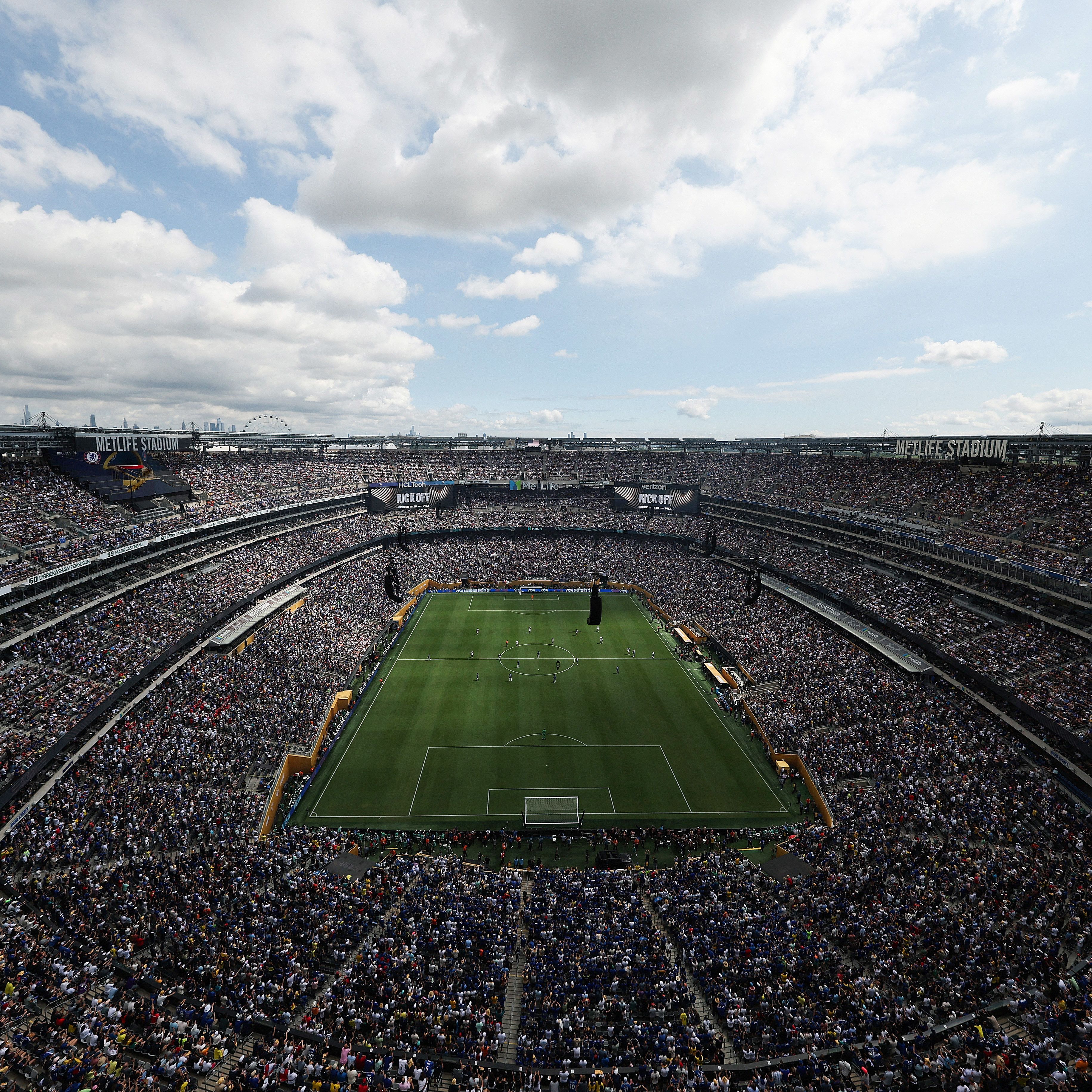
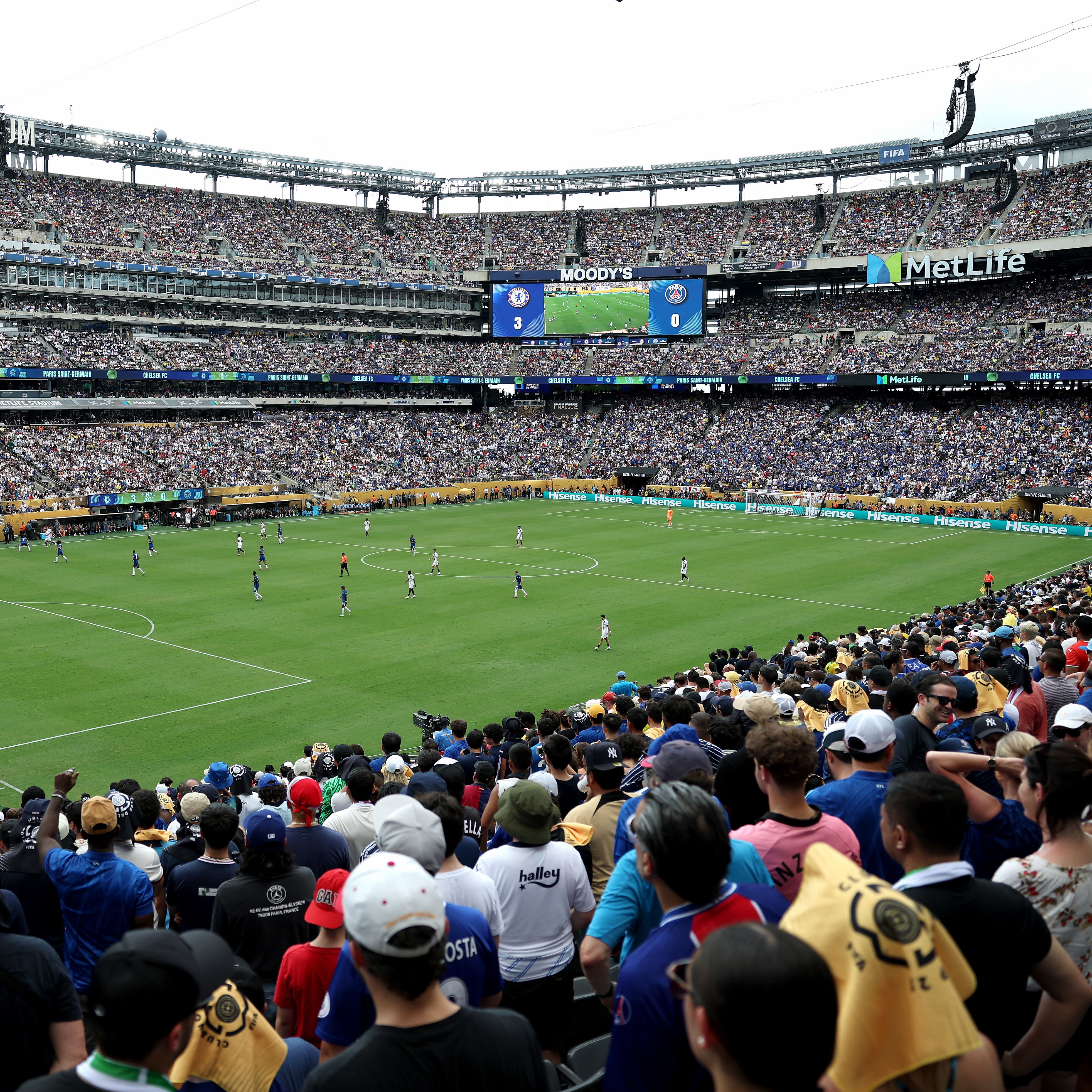
This cavernous, largely uncovered venue has the biggest capacity of any stadium at this World Cup and fended off competition from Dallas to host the final.
It is located in East Rutherford, New Jersey, but is only five miles from Manhattan, which is why Fifa opted for the somewhat cumbersome title of New York New Jersey Stadium.
Home to NFL sides the Giants and Jets, it cost $1.6bn to build. Initial plans for a retractable roof were quickly abandoned because of budget concerns.
The stadium's artificial turf has a poor reputation, with numerous NFL stars suffering serious injuries on the surface. Giants wide receiver Malik Nabers tore his anterior cruciate ligament there in September, becoming the latest player to fall victim to the so-called 'MetLife curse'.
Many of the league's players and coaches believe a natural field would be safer but there are no plans to retain the temporary grass pitch that will be installed for the duration of the World Cup.
Did you know? The venue was constructed immediately adjacent to the now-demolished Giants Stadium, which hosted seven World Cup games in 1994, including the Republic of Ireland's famous win against Italy, plus Pele's final match in 1977.
Credits
Written by Tom McCoy
Sub-edited by Scott Reid and Joe Rimmer
Graphics by Andy Dicks
Images by Getty Images
Related stories


Will the crowds come out? Will the weather affect games? What we learned during the tournament.


BBC Sport gives you all the vital information including how to get tickets and who has qualified.