RSPB defends nature reserve visitor cutbacks

 Don Cload / Geograph
A wildlife charity has defended plans to cut back on visitor infrastructure at two nature reserves as it refocuses resources.
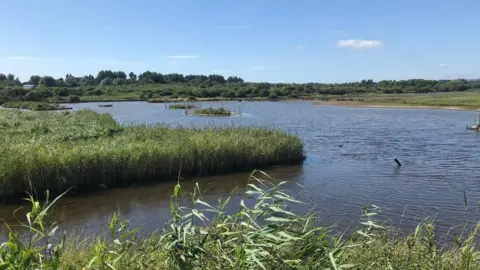
The RSPB said it would remove viewing platforms and stop maintaining some paths at Lodmoor and Radipole in Weymouth, Dorset, focusing more on improving wildlife habitats.
But Weymouth and Portland Marine Litter Project, which carries out litter picks at RSPB Radipole Lake, said the area was "neglected" and the changes would have a "negative effect".
RSPB Arne and Weymouth Wetlands said it needed to use its resources where they had the most impact but was looking at how it could support volunteers to take on path maintenance.
 David Smith / Geograph
Dave Taylor, co-founder of the marine litter project, said: "It's just sad. People don't know there's a nature reserve on their doorstep - it's just a neglected lake next to a big car park and supermarket.
"We do quarterly litter picks and get tonnes of rubbish from there.
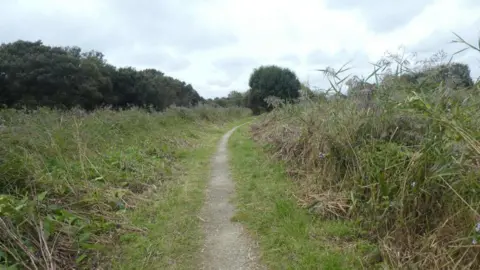
"If the paths are not cut back, it doesn't take long for nature to take the land and it will just get covered in brambles."
RSPB Arne and Weymouth Wetlands said it had invested in both sites, replacing the visitor footbridge and carrying out channel clearance at Radipole, installing a new water control structure at Lodmoor and reed cutting at both reserves.
In a Facebook post, it said: "RSPB will continue to manage both reserves and they will remain open to the public."
It said the removal of viewing platforms at Radipole would take place over the winter because they had "reached the end of their safe working life".
"While key paths will be maintained, we will no longer be maintaining all the paths and sight lines ourselves, to save on the significant staff and volunteer time needed to cut back the vegetation," it added.