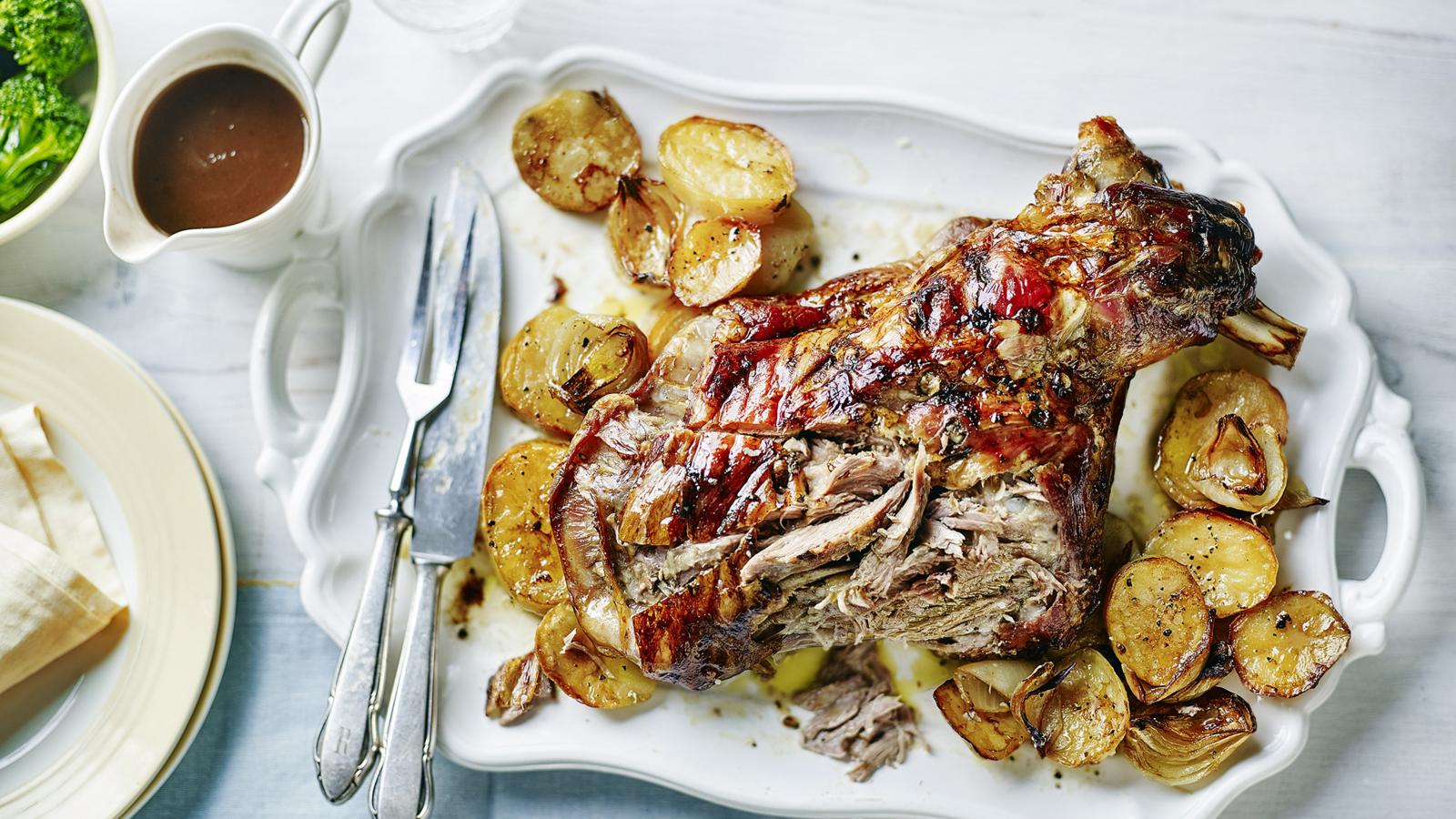
Slow roast shoulder of lamb with sliced potatoes
- Prepare
- less than 30 mins
- Cook
- over 2 hours
- Serve
- Serves 6
- Dietary
- Dairy-freeEgg-freeNut-free
This is all about slow cooking the lamb – if yours needs a little longer then leave it in the oven. The results will be so tender, it will be worth the extra time. The potatoes are cooked in the meat juices and drippings from the meat which adds tons of flavour as well as being much easier than roast potatoes.
Ingredients
- 2.25kg/5lb whole lamb shoulder, skin on
- 4 garlic cloves, sliced
- 2 large onions, cut into quarters
- 750g/1lb 10oz waxy potatoes, such as Desiree, peeled and cut into thick 2cm/¾in slices
- 570ml/1 pint hot lamb or beef stock
- green vegetables, to serve
For the gravy
- 3 tbsp lamb fat (see method)
- 50g/1¾oz plain flour
- 450ml/16fl oz hot lamb or beef stock
- 100ml/3½fl oz red wine
- 1–2 tsp redcurrant jelly
- few drops Worcestershire sauce
- gravy browning (optional)
Method
Preheat the oven to 220C/200C Fan/Gas 7.
Sit the lamb, skin-side up, on a board. Using a sharp knife, insert irregular holes through the skin. Insert the garlic into the holes.
Place the lamb in a roasting tin and roast for about 20 minutes until brown. Carefully turn the lamb over and roast for a further 20–30 minutes until brown all over.
Boil the onion in water for 10 minutes, then add the potatoes and boil for 4 minutes. Drain well.
Remove the lamb from the tin. Add the onions and potatoes to the tin and mix together. Add the stock, then put the lamb on top and cover tightly with kitchen foil.
Reduce the oven temperature to 160C/140C Fan/Gas 3 and cook for 3½–4 hours, or until the lamb is completely tender.
Remove the lamb from the tin and place on a board. Strain off the fat from the tin into a small bowl to use in the gravy. Increase the oven to 220C/200C Fan/Gas 7 and put the potatoes and onions back into the oven to brown for 25 minutes.
To make the gravy, spoon the lamb fat into a saucepan. Add the flour and stir over the heat for 30 seconds. Whisk in the stock, wine, redcurrant jelly, Worcestershire sauce and browning. Whisk until thickened and bubbling.
Carve the lamb and serve with the gravy, potatoes, onion and steamed green vegetables.
Recipe tips
For more Easter recipe ideas read our article.
The method of cooking the potatoes and onions under the meat is the same as in weeping lamb recipes. Use waxy potatoes, rather than floury potatoes as they will hold their shape during the long cooking time. Waxy potatoes are normally labelled as being suitable for boiling and steaming, whereas floury potatoes will be marketed for mash, baking and roasting.
How-to videos
Related recipes

This recipe is from...
Try as part of this menu
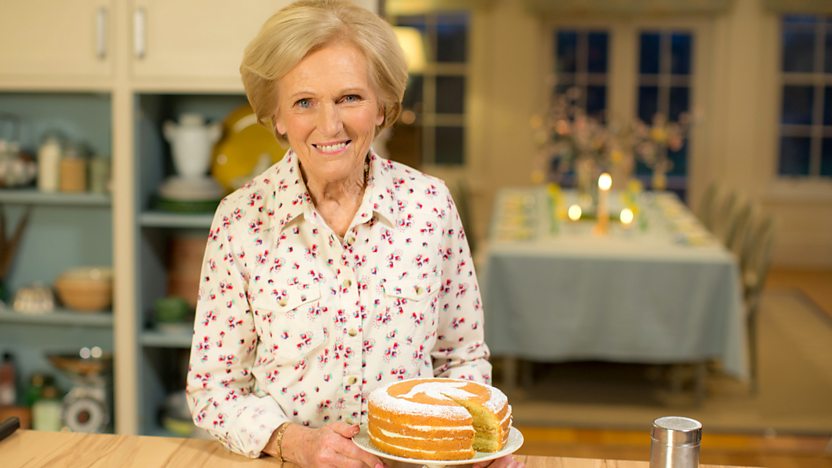
Easter at Mary Berry's. Menu Easter at Mary Berry's
Mary Berry's family-friendly menu for an easy Easter lunch. Starring a slow-cooked, no-bother roast and a stunning make-ahead dessert.
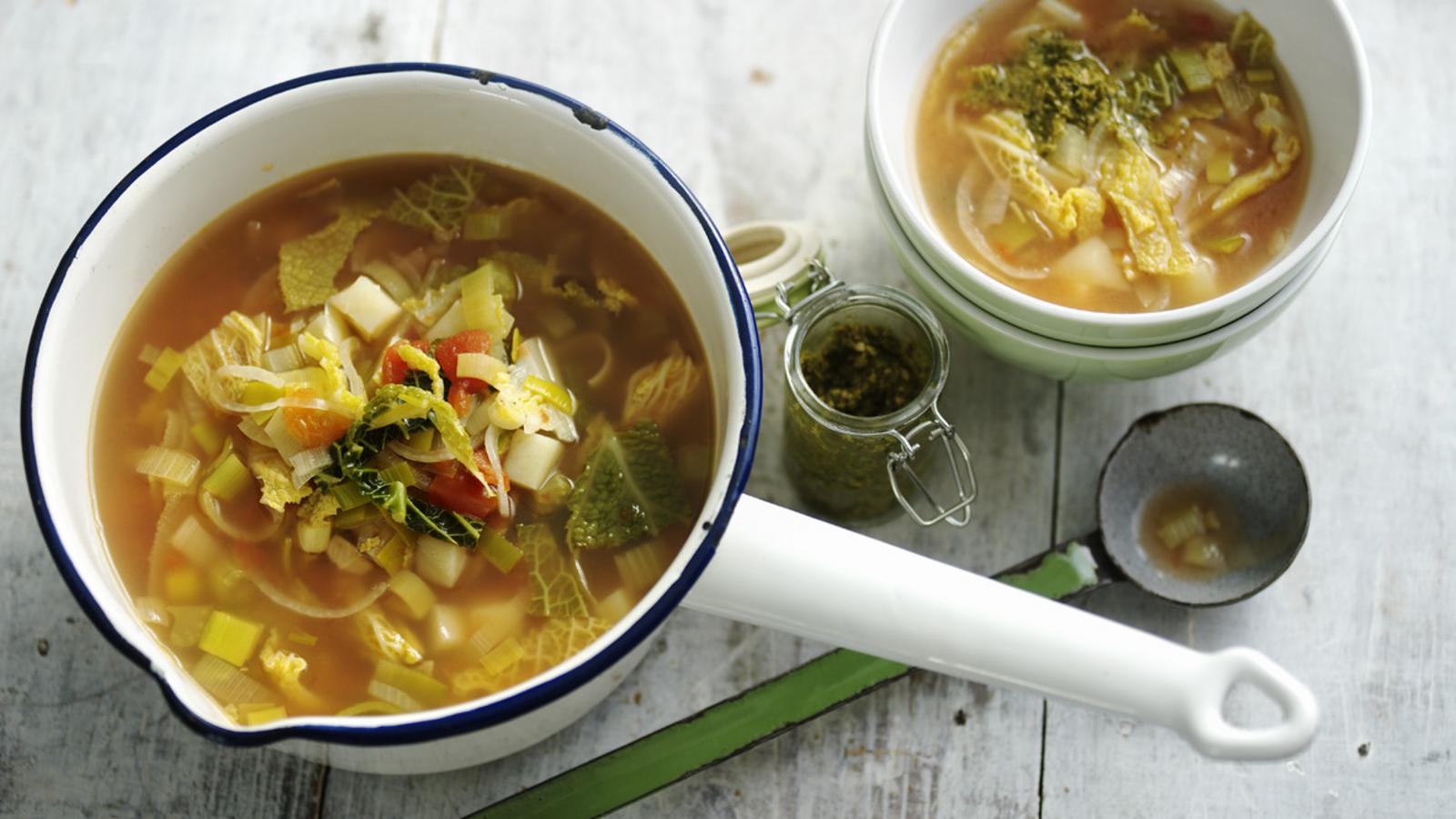
Spring minestrone soup with pesto. By Mary Berry
Light meals & snacks
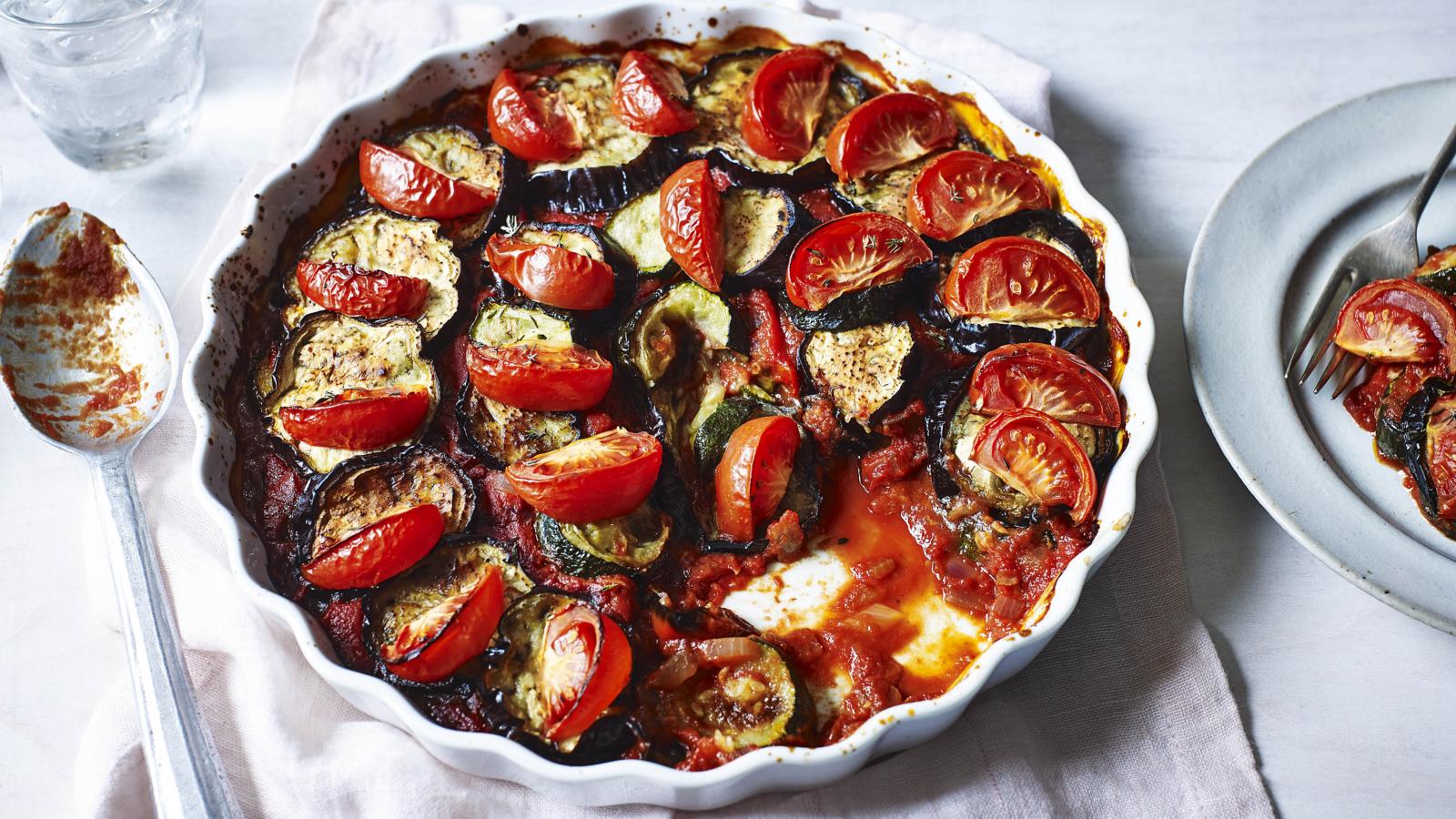
Posh roasted vegetables. By Mary Berry
Main course
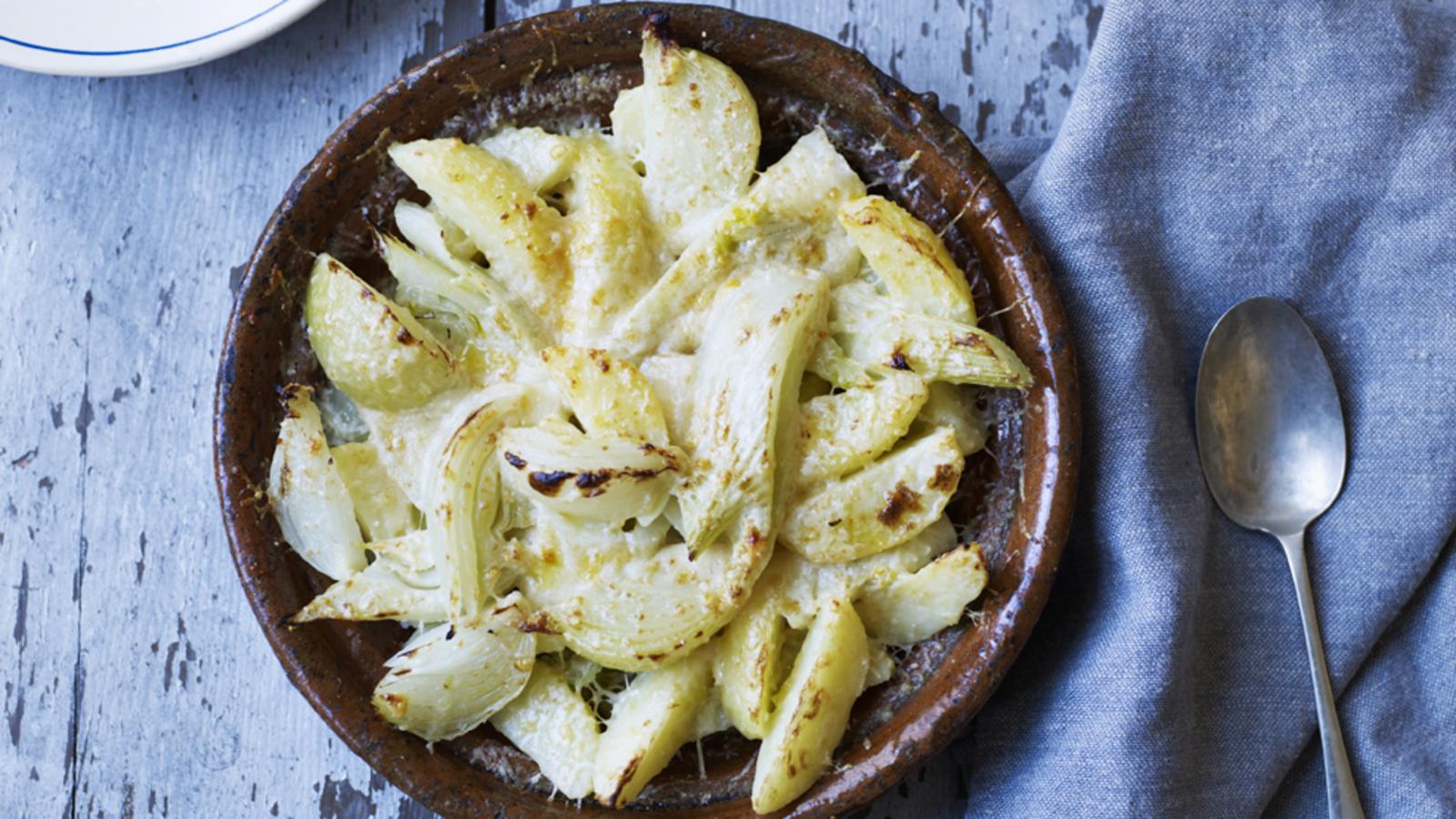
Fennel and potato gratin. By Mary Berry
Side dishes
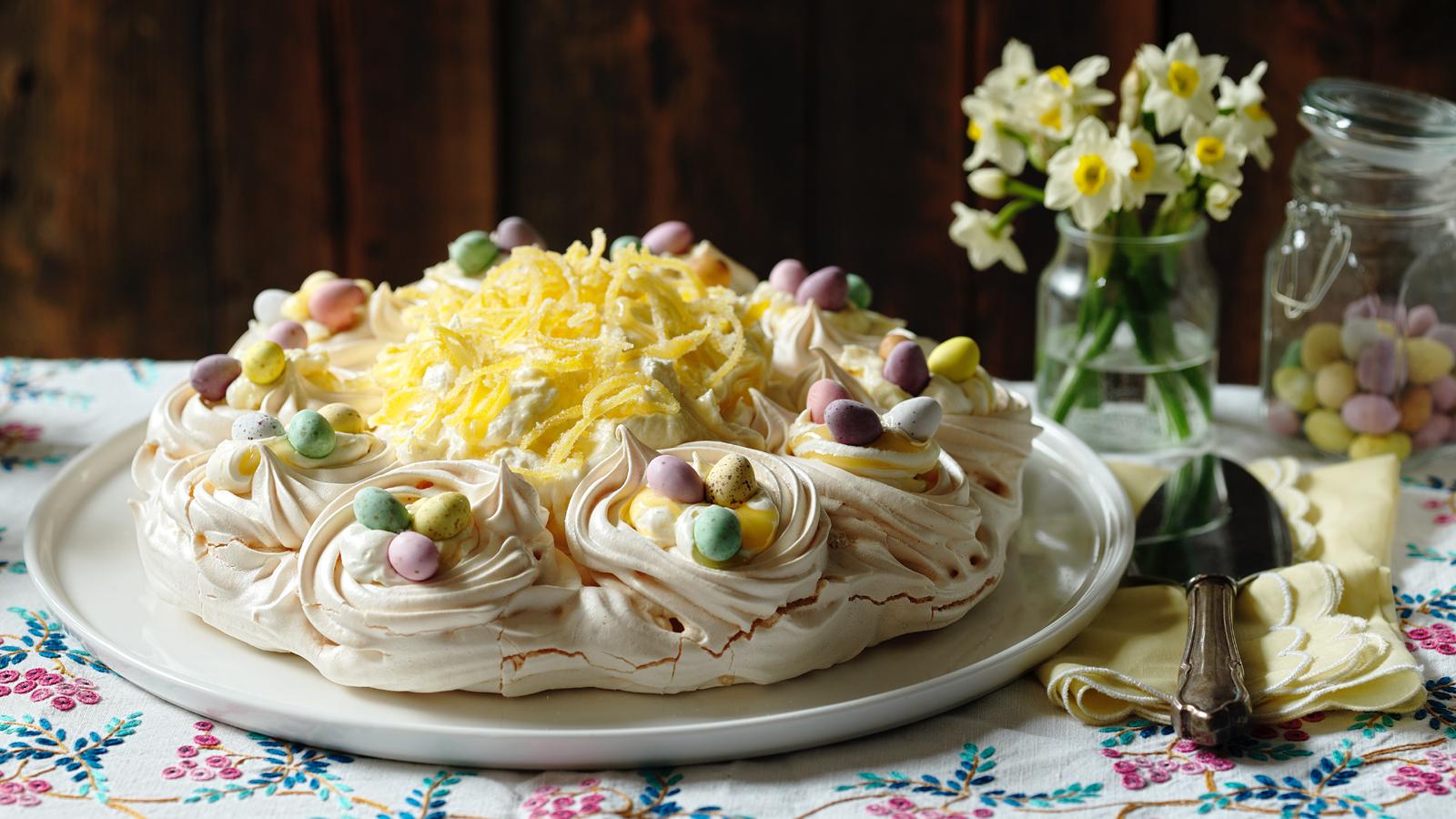
Easter simnel cake. By Mary Berry
Cakes and baking