How to quit smoking or vaping without turning to unhealthy snacks
Research shows that quitting nicotine can lead to cravings for foods high in salt, sugar and fat. We asked a dietitian for advice on how to eat well while stopping smoking…
By Laura Tilt
Trigger warning: Please note, this article details issues relating to addiction. It also may be triggering to people with disordered eating.
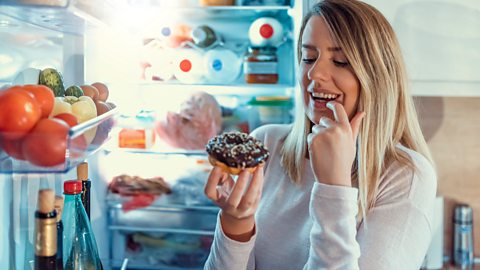
According to public health charity ASH (Action on Smoking and Health), New Year is the most popular time to quit smoking. Quitting smoking or vaping is no small feat. The cravings can be tough, and it’s not just for nicotine. Many people feel hungrier and find themselves reaching for junk food after quitting.
I’m a dietitian and I’m here to explain why those cravings might increase and to provide strategies for managing them.
Health benefits of quitting smoking
If you’re reading this because you’ve quit smoking or vaping – congratulations! The majority of smokers (and vapers) want to quit - and you’re doing it. You’ve made an amazing choice for your health, with the benefits of quitting smoking stacking up within 20 minutes of quitting.
In 48 hours the carbon monoxide levels in your blood will have dropped to those of a non-smoker, and you’ll be on your way to having more energy. Longer term, quitting smoking reduces the risk of 50 different illnesses and conditions. Your fitness will improve, you'll breathe easier, and food will start to taste better.
Reaping the benefits of quitting is undeniably tough though. Nicotine is seriously addictive, and the withdrawal symptoms — like intense cravings, irritation, restlessness, and trouble sleeping — are no fun at all. Quitting smoking is also linked with a hike in appetite and, because of this, for some, weight gain.
Before we get into why quitting can lead to eating more (especially foods high in fat and sugar) and what you can do about it, here’s something really important to remember: smoking is a far bigger risk to your health than gaining a little weight. And research shows that weight gained after quitting doesn’t take away the life-saving benefits of stopping smoking. Knowing that weight gain might happen—and having some simple strategies to manage it—can help you adjust.
Appetite and nicotine
So, why does quitting drive an increase in food intake? There are a few things at play. Nicotine has been shown to suppress appetite and food intake. Animal studies, for example, show that when rats are given nicotine, they eat less and go longer between meals. But when nicotine is withdrawn, the opposite happens — the rats start eating more and begin to gain weight.
Similar effects have been seen in humans. A recently published study from Loughborough University comparing the eating habits of UK smokers and non-smokers found smokers were twice as likely to skip meals. They were also 50% more likely to go longer than three hours without eating and 35% less likely to snack between meals.
Research also shows that nicotine withdrawal tends to increase cravings for ‘junk food’ - high in fat, sugar and salt. It’s not completely clear why this is, but there’s evidence that the pleasurable feelings you get when using nicotine or eating junk food overlap in several parts of the brain. It makes sense then, that people can end up using food as a way to cope with nicotine cravings when quitting.
Another factor is that food simply tastes better after quitting, as taste and smell recover. Some smokers also struggle with oral fixation — the urge to hold something in their mouth like gum, a vape or cigarettes. Snacking can help satisfy that need, which is why it can end up replacing a nicotine habit.
Ways to manage unhealthy food cravings after quitting smoking
So how can you manage the cravings and increased hunger that come with quitting? Keep in mind that this hunger is a common side effect of nicotine withdrawal and not entirely within your control. Instead, focus on supporting yourself with healthy choices. Here’s my advice:
Focus on eating regular balanced meals
Not only will this give your body more nutrition as you become nicotine-free, but it’ll also help manage your hunger and energy levels - I’ve shared tips below on the types of foods to focus on.
Make an ‘If-Then’ plan
It may seem obvious, but creating a strategy for dealing with cravings ahead of time increases your chances of sticking to healthy eating goals. Behaviour change experts call these type of plans: "implementation intentions", which follow an If-Then pattern: If X happens, then I’ll do Y. For example: If I’m craving chocolate, then I’ll have an energy ball or make myself some peanut butter on toast. By deciding in advance how to respond, you’re less likely to act on impulse, especially when stressed or tired—common feelings during nicotine withdrawal. A solid plan helps you avoid these traps and stay on track.
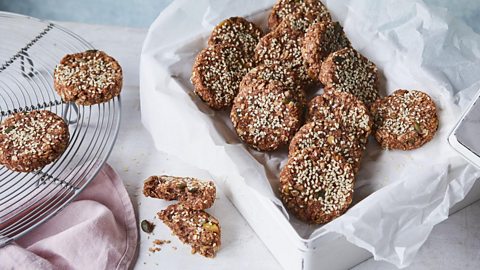
Healthy cookies
These healthy cookies are packed with nuts and seeds
Prep healthy snacks ahead of time
Expect hunger and prepare for it by prepping healthy, ready-to-eat snacks for your fridge or lunch bag. Choose snacks that are high in protein (like eggs, Greek yoghurt, tofu, edamame) or fibre (fruit, vegetables, oatcakes, nuts, seeds), or a mix of both, as these help keep you fuller for longer. Egg muffins are a great option, or try red pepper hummus and team it with a sliced up vegetables like carrots sticks, cucumber and peppers. If you have an air fryer, crispy chickpeas are a great snack.
Healthy snack ideas high in protein or fibre:
- Sliced fruits and veggies like carrot sticks, bell peppers, celery, oranges and pineapple
- Cottage cheese
- Greek yoghurt with fruit
- Boiled eggs and wholegrain crackers
- Peanut butter on wholegrain bagel
- Carrot sticks with hummus
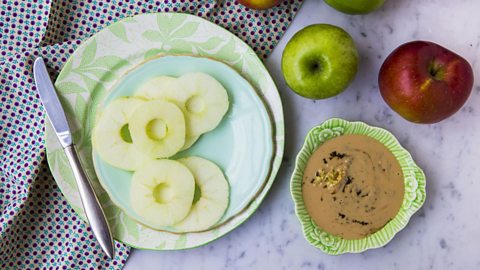
Apple rings with ginger, lemon and black pepper tahini spread
Tahini makes a great healthy dip for apple slices
Balance your breakfast with protein
Many people get most of their daily protein at dinner, but having a higher-protein breakfast can help you feel less hungry throughout the day. Studies typically show benefits with 20-30 grams of protein at breakfast. Here are some ideas:
- Eggs: Two eggs contain around 12 grams of protein. Scrambled, poached, or in an omelette—they’re a great choice. Pair with a wholewheat bagel or tortilla - this breakfast wrap contains 27 grams of protein.
- Greek yoghurt: Top cereal or fruit with Greek strained yoghurt — half a cup contains around 10 grams of protein.
- Peanut butter bagel: Spread 2 level tablespoons of peanut butter (8g protein) on a wholemeal bagel (10g protein) to add protein and heart-healthy fats, keeping you fuller for longer.
- Breakfast smoothie: Not a breakfast fan? Try this smoothie containing 22 grams of protein, which you can drink on the go.
With both beans and eggs, this breakfast (baked bean shakshuka) is packed with protein
Pair sweet foods with something nutritious
Instead of restricting sugary foods like chocolate, sweets or biscuits (which in my experience can lead to craving them more) try eating them at the end of a balanced meal, or alongside something nutritious. This will help avoid the highs and lows that can come with eating higher sugar foods and provides more steady energy.
For example, team a couple of biscuits with a handful of nuts, or try chocolate spread on wholemeal toast with sliced banana. Or make banana choc-ices, apricot and chocolate bars or tahini and chocolate dates for a snack that provides lots of nutrients and hits the sweet spot.
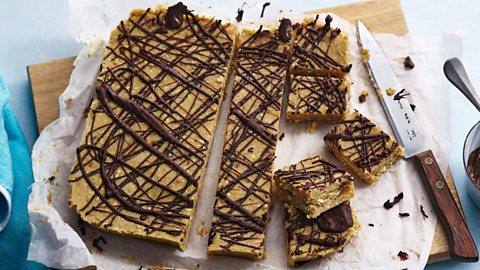
Chickpea, date and cashew bites
Chocolate tops these healthier treats
Get support
Lastly, don’t think you need to quit alone. Your chances of quitting successfully increase massively with support. The NHS Better Health website can help you find the best approach for you.
Laura Tilt is a registered dietitian with a master’s in public health nutrition and a postgraduate diploma in dietetics. Since qualifying in 2012, she has specialised in gastroenterology at London’s UCLH before moving into freelance practice. With over 10 years of experience translating nutrition science into accessible, meaningful advice, Laura’s specialist interests include digestive health, disordered eating, and sports nutrition.
Originally published January 2025
Want more? Visit BBC Food on Instagram, Facebook and Pinterest. Want to watch the latest Food TV programmes? Visit BBC iPlayer.