What is potassium and why do I need it?
By Laura Tilt, dietitian
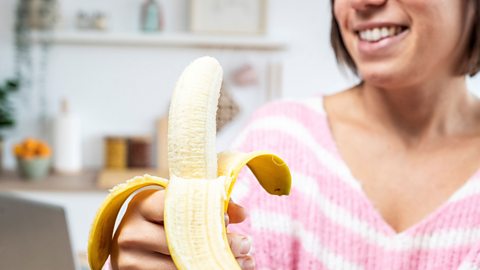
When you think of potassium, your mind probably goes straight to bananas. You’ll need more than a piece of fruit to hit your recommended intake of this important nutrient, though.
What is potassium?
Potassium is an essential mineral that helps us maintain healthy blood pressure. One of the ways it does this is by helping your kidneys remove excess sodium.
It’s also important for bone health (especially helpful if you’re menopausal) and cell function, as well as supporting overall wellbeing.
What does potassium do in the body?
When dissolved in fluid, potassium acts as an electrolyte. This means it carries a small electrical charge, allowing it to:
Help muscles contract
Regulate heart rhythm
Transmit nerve signals
How much potassium do I need?
The NHS and World Health Organisation (WHO) recommend adults consume 3,500 milligrams (mg) a day. This is mainly to help manage blood pressure and lower the risk of cardiovascular disease, which is the leading cause of death worldwide.
Sliced Bread podcast | Subscribe on BBC Sounds now podcast
In this episode, Greg Foot investigates the role of electrolytes in hydration and performance in sport

Can I get enough potassium from food?
A healthy balanced diet with plenty of fruit and veg will get you all the potassium you need. But research shows that most of us aren’t eating the recommended five-a-day and, on average, more than 50% of our daily calories come from highly processed foods.
As a result, data from the National Diet and Nutrition Survey (a large, ongoing survey of UK eating habits) showed that around 10% of men and 24% of women weren’t meeting the recommended intake of potassium.
What happens if I don’t get enough potassium?
Severe potassium deficiency (known as hypokalaemia) in healthy people with normal kidney function is rare and unlikely to be a result of low dietary intake. Instead, it’s usually caused by things like severe sickness and diarrhoea, the use of diuretics (which increase urine production) or laxatives. Eating disorders and alcohol misuse are also risk factors.
Mild potassium deficiency is more common. This can raise blood pressure and, as a result, increase the risk of cardiovascular disease and stroke.
Is it possible to have too much potassium?
The body can usually get rid of any excess potassium from food and drink. This is the job of the kidneys, which filter it out through urine.
For people with kidney disease, it’s harder for the body to do this, so a build-up is possible. This can be dangerous, causing irregular heart rhythms and even heart failure.
In people with advanced kidney disease, a low potassium diet is often needed to help maintain safe potassium levels.
Are bananas the best source of potassium?
Bananas are a good source, but they aren’t the most potassium-rich food. A medium banana provides about 10% of your daily needs, while a baked potato delivers nearly 30%.
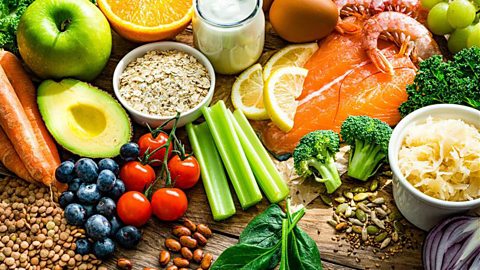
Other good sources include fruits (particularly dried fruit), vegetables, nuts, seeds, dairy like milk and yoghurt, beans, lentils and fish.
| Food | Serving size | Potassium content | Recipe idea |
|---|---|---|---|
| Baked potato, skin on | Medium potato (165g) | 990mg | Indian style baked potatoes |
| Banana | Medium banana | 330mg | Crunchy banana yoghurt |
| Raisins | Small handful (30g) | 226mg | Oat cookies |
| Dried apricots | 3 dried apricots | 450mg | Apricot and chocolate bars |
| Orange | Medium orange | 200mg | Beetroot, orange and walnut salad |
| Avocado | Half a medium avocado (70g) | 408mg | Avocado eggs |
| Spinach | Cereal bowl full (80g) | 545mg | Spinach feta and pine nut salad |
| Tomato juice | 200ml | 460mg | Moroccan lamb tagine |
| Yoghurt | Small pot (125g) | 175mg | Tzatziki |
| Milk | (250ml glass) | 390mg | Slow cooker rice pudding |
| Boiled egg | 2 medium eggs | 280mg | 6 minute egg with garlic yoghurt |
| Mixed nuts | Small handful (30g) | 210mg | Roasted nuts |
| Tinned beans in tomato sauce | Half a standard tin | 544mg | Cottage pie with baked beans |
| Black beans | Half a cup, drained | 408mg | Refried black beans |
What about supplements?
While the NHS says taking 3,700mg or less of potassium supplements is unlikely to cause harm, older adults and people with kidney disease should avoid potassium supplements (which include salt substitutes) unless your doctor says otherwise. This is because the kidneys might struggle to remove the excess.
Nutrition calculator: Are you getting all the nutrients you need?
Find out if your diet supports good health using this calculator
Do I need potassium in my sports drink?
You don’t lose much potassium when you sweat (unless you’re a very heavy sweater!), so it’s not essential in sports drinks.
You can replace small losses through diet. For instance, a glass of tomato juice after a workout will provide 460mg of potassium and may also help with muscle recovery.
A jacket potato is another great source of potassium and also packs in the carbohydrates, which help you refuel.
How can I increase my potassium intake?
Eat at least five servings of fruit and vegetables a day. Aim to eat a piece of fruit with breakfast, a portion of fruit and a vegetable at lunchtime and two servings of vegetables with your evening meal.
Aim for three servings of dairy a day. For example, a mug of coffee made with milk, cheese in a salad and a pot of yoghurt for a dessert.
Use beans and pulses in your weekly meals. Try this white bean and fish gratin or this lentil shepherd’s pie.
Choose dried fruit, nuts and seeds for snacks (homemade dried fruit and nut bars are a tasty option).
The way you cook ingredients (especially potatoes and vegetables) also affects how much potassium you’ll get from them. Potassium can be lost in water, so try steaming, stir frying or microwaving vegetables as opposed to boiling.
Raw vegetables are generally higher in potassium, so a bowl of salad with your lunch or dinner is a good option.
Originally published September 2025
Laura Tilt is a registered dietitian with a master’s in public health nutrition and a postgraduate diploma in dietetics. Since qualifying in 2012, she has specialised in gastroenterology at London’s UCLH before moving into freelance practice. With over 10 years of experience translating nutrition science into accessible, meaningful advice, Laura’s specialist interests include digestive health, disordered eating, and sports nutrition.
Want more? Visit BBC Food on Instagram, Facebook and Pinterest or watch the latest Food TV programmes on BBC iPlayer.