How easy is it to get enough protein if you follow a plant-based or vegetarian diet?
I thought my veggie diet was pretty healthy, but all the talk about protein made me wonder if I was getting enough. I decided to put it to the test…
By Izzie Cox

Having been (largely) vegetarian since the age of 13 (with bouts of being both pescatarian and vegan), over the years, I’ve frequently been told I can’t possibly be getting enough protein. These comments aren’t from medical professionals but worried friends, loved ones and social media posts from influencers.
While I’m not convinced, I will admit that over the past couple of years, I’ve found my energy levels and stamina have massively fluctuated. I’m a keen cook and I think my meals are well-balanced, but like most people, I don’t weigh out the nutrients on my plate.
Despite my three regular meals, I’m also a serial snacker, struggling with my hunger levels between meals. Protein is known to keep you fuller for longer, so could my frequent hunger be linked to a lack of protein in my diet? And, given I’ve spent more time exercising in the last two years, should I be upping my protein accordingly?
I spoke to dietitian Laura Tilt, who said, “protein intakes are often lower on a plant-based diet because, gram for gram, plant foods typically contain less protein than animal foods.” That’s not to say you can’t get enough protein on a vegan or vegetarian diet but you might need to be a little more conscious of what you’re eating to make sure you’re hitting the recommended daily amount.
Tofu is a good plant-based source of protein and can be really tasty as these smoky tofu tacos show
The findings of the EPIC-Oxford study – a long term study of over 65,000 people living in the UK – reinforce this. They found that 9.8% and 6% of male and female vegetarians and 16.5% and 8.1% of male and female vegans have inadequate protein intakes, versus less than 5% of meat and fish eaters.
In the UK it’s recommended that adults should eat 0.75g of protein per kilogram of bodyweight per day. Though some argue this should be closer to 1g of protein per kg of bodyweight.
I decided to keep a food diary, eating exactly as I normally would, for a few days to track my protein intake. Roughly speaking, about 60% of the time I include dairy and eggs in my diet and 40% of the time I’m entirely plant based, so I decide to look at two vegetarian days and one vegan. I calculated that if I’m following the 0.75kg of protein advice, I should be consuming 68.3g protein a day, but what was I actually eating?
Food Diary
| Breakfast | Lunch | Dinner | Snacks | Total Protein | |
|---|---|---|---|---|---|
| Monday (vegetarian) | Avocado on seeded sourdough with cottage cheese - 7.8g protein | Harissa tahini noodles with tenderstem broccoli - 19g protein | Butter beans with spinach, mushrooms and shallots in a miso, Parmesan and cream sauce on sourdough – 22.8g protein | 150g blueberries and 2 squares of dark chocolate – 2.2g protein | 51.8g |
| Tuesday (vegan) | Avocado on seeded sourdough with mixed seeds – 6.4g protein | Wholegrain and wild rice, miso mushrooms and tofu with edamame, red cabbage, spring onion and coriander – 13.3g protein | Spelt, tofu meatballs in a jerk sauce with peppers and spring onion – 21.6g protein | Two handfuls of red grapes, hummus and crackers, and 2 squares of vegan dark chocolate – 7.5g protein | 48.8g |
| Wednesday (vegetarian) | Supermarket smoky bean and egg pot - 12.4g protein | Roasted veg (aubergine, courgette, pepper, onion) orzo with tomato sauce, chickpeas, spinach and feta – 22.3g protein | Wholegrain and wild rice, miso mushrooms and tofu with edamame, red cabbage, spring onion and coriander – 13.3g protein | 150g blueberries and puffed corn, olives and cheddar – 9.5g | 57.5g |
I’m not reaching my recommended protein amounts
While not massively below my RDA of protein, I was missing the target by between 10-20g per day. My protein intake was slightly lower on my plant-based day.
Breakfasts and snacks are when I’m consuming the least amount of protein. Laura says, “A lot of people eat the majority of their protein in their evening meal but spacing out protein equally between meals has benefits for muscle health and regulating appetite.”
Roasted chickpeas are a tasty high-protein snack
So, what should I be looking to eat for my breakfasts and snacks? “Eggs (if you eat these) or tofu are great for breakfast and we tend to forget that cereal products contribute meaningful protein intakes too. So, for example, a couple of eggs or some tofu, with a wholemeal bagel or two slices of a seedy wholegrain bread loaded with some veggies would be a good option.
“For snacks, try a wholemeal bagel with peanut butter or hummus, Greek yoghurt with fruit, or even some roasted chickpeas or edamame for a portable option.”
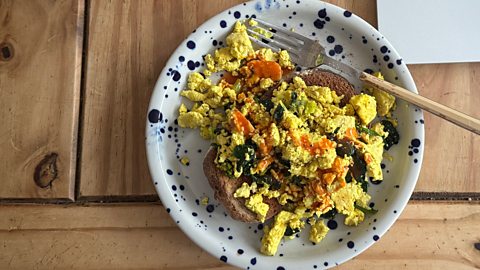
My new menu
Armed with Laura’s advice and with a final word of warning in mind: “Don’t prioritise protein at the expense of everything else - a balanced diet also requires carbs, healthy fats, fruit and vegetables,” I plan some protein-packed meals for the rest of the week:
| Breakfast | Lunch | Dinner | Snacks | Total Protein | |
|---|---|---|---|---|---|
| Thursday (vegetarian) | Supermarket smoky bean and egg pot - 12.4g protein | Peanut butter tofu and butter bean curry with mixed grains and tenderstem broccoli – 35.4g protein | Orange, puy lentil and pearl barley salad - 19.5g protein | 150g blueberries with 4 tbsp Greek yoghurt, honey roast cashews and kombucha – 13.9g protein | 81.2g |
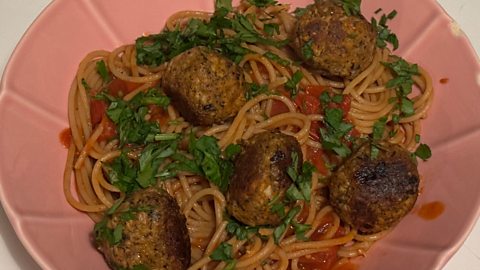
| Friday (vegan) | Tofu scramble on seeded sourdough with hot sauce – 17g protein | Coriander lime noodles with edamame and tofu – 37.7g protein | Tempeh meatballs with wholewheat spaghetti – 33g protein | 150g raspberries and hummus and crackers – 9.8g protein | 97.5g |
| Saturday (vegetarian) | Egg muffins – 10g protein | Aubergine and black bean bowl – 30g protein | Leftover meatballs and spaghetti with Parmesan – 35.6g protein | Cashews, kombucha and 100g edamame beans with 1 tsp soy sauce – 21g | 96.6g |
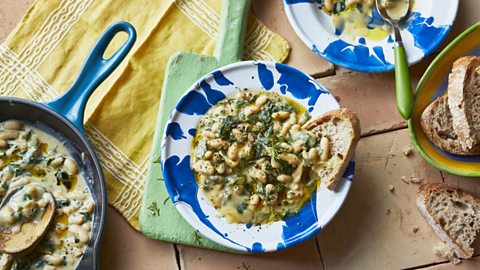
| Sunday (vegan) | Tofu scramble on seeded sourdough with hot sauce – 17g protein | Creamy tarragon white beans – 19.3g protein | Greens and caramelised tofu with XO sauce – 31.5g (doubled the tofu and served with 125g spelt) | Tempeh crumble and hummus and crackers – 28.5g | 96.3g |
White beans in a creamy tarragon and dill sauce
Dr Rupy’s creamy white bean recipe is packed with protein
With a little thought, planning and Laura’s advice I smashed my protein target every day and it was easier than I thought.
Being mindful of the protein content of my snacks and breakfasts made a huge difference, and tofu and tempeh were my best friends throughout the week.
If you’re not a fan of those two ingredients, I recommend trying different ways of cooking and eating them, because they really are protein-rich. For example, I’m not a huge fan of a chunk of tempeh but blended into meatballs or crumbled, tossed with oil and soy sauce and roasted, I find it delicious. I would also say careful planning was key, as trying to pick up high-protein snacks or breakfasts out and about is very tricky as they’re so often packed with UPFs.
And how did I feel during the week? Super full and satiated after every meal (sometimes uncomfortably so), leaving much bigger time periods between meals and feeling the need to reach for a snack much less often.
I also did notice a difference when exercising – running faster than I normally do and having more stamina at the gym. Overall, it was an enlightening (and enjoyable) week, and I will be taking my new insights forward, trying to make smart protein decisions and eating lots and lots of tofu!
Laura Tilt is a Registered Dietitian with a Master’s in Public Health Nutrition and a postgraduate diploma in Dietetics. Since qualifying in 2012, she has specialised in gastroenterology at London’s UCLH before moving into freelance practice. With over 10 years of experience translating nutrition science into accessible, meaningful advice, Laura’s specialist interests include digestive health, disordered eating, and sports nutrition.
Originally published January 2024
Want more? Visit BBC Food on Instagram, Facebook and Pinterest. Want to watch the latest Food TV programmes? Visit BBC iPlayer.