The surprising foods that can cause kidney stones
They’re an issue for more than 10% of UK adults, can be incredibly painful and sometimes lead to infections or weakened kidney function.
Kidney stones have many causes, from genetics to certain medications. But research has also shown they can be impacted by what you eat and drink.
This means people who are prone may be able to use their diet to help stop the condition returning.
How do you know if you have kidney stones?
“Most people who have kidney stones carry them without realising,” explains Dr Ivo Dukic, consultant urological surgeon at University Hospitals Birmingham NHS Foundation Trust.
“Small stones can sit quietly in the kidney and there can be no hint anything’s wrong.”
Doctors often find these ‘silent stones’ by accident, in ultrasounds or CT scans they’re doing for other reasons.
“Over time, some stones will grow or move and lead to the classic symptoms of a sharp pain in the side, blood in the urine, or repeated urinary tract infections,” says Dukic.
The pain “typically goes towards the front of the abdomen and can be associated with wanting to pass urine more frequently and rushing to get to the toilet.
“[Medical] treatment is only needed if they grow, cause pain or urinary tract infections, or put the kidney at risk by blocking its drainage system.”
The key change to make
“The main risk factor for getting kidney stones is not drinking enough water or fluids,” says Dukic.
Essentially, the less water you drink each day, the more likely you are to get kidney stones.
Dukic explains that people who are prone to kidney stones should make sure they drink 2-2.5 litres of water each day. That’s on top of the fluid you get from other drinks and food.
What's Up Docs? | Subscribe to the podcast now. podcast
On this episode the Van Tulleken brothers explore how you can help support your kidneys

Foods it could help to cut down on
“Experts and studies disagree about which foods are likely to form different types of stones, and there are very few randomised controlled trials of different diets and kidney stones,” says Dukic.
But some foods are known to change the composition of your urine, increasing the concentration of stone-forming minerals or decreasing the substances that help stop stones form.
So, regularly eating a lot of some particular foods may increase your chances of getting kidney stones.
High oxalate foods
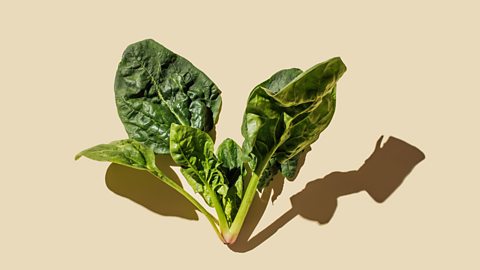
“The most common type of kidney stone is the calcium oxalate stone. For people prone to these, reducing their intake of foods high in oxalate – a natural compound found in plants – can be crucial. High oxalate foods include spinach, rhubarb, almonds and some other nuts, certain potatoes and beans.”
It could help to cut your oxalate intake to under 100mg a day if you suffer from these types of stones, says Dukic.
Foods high in salt
“A high salt diet – where you’re eating more than 6g a day – is a major risk factor.”
That’s because salt is very high in sodium, and an excess of this causes your kidneys to excrete more calcium into the urine.
“This high concentration of urinary calcium dramatically increases the risk of calcium-based stones forming,” says Dukic.
It’s well worth keeping a check on processed and fast food in your diet: “Tinned soups and cured meats are often packed with sodium.”
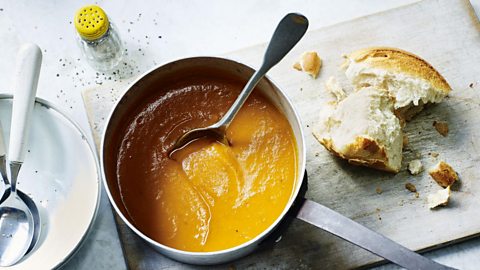
Butternut squash soup | Save to Your Favourites now
Making your own soup means you can be in control of how much salt is in it
A diet high in animal protein
“High amounts of animal protein can increase the risk of both calcium and uric acid stones. It boosts levels of calcium and uric acid in the urine while lowering levels of citrate, a chemical that helps stop stones from forming.”
This goes for all types of animal protein, including red meat, poultry, eggs and fish. Dukic says to try limiting your animal protein intake to 40-50g a day if you often get kidney stones.
Foods that may help protect your kidneys
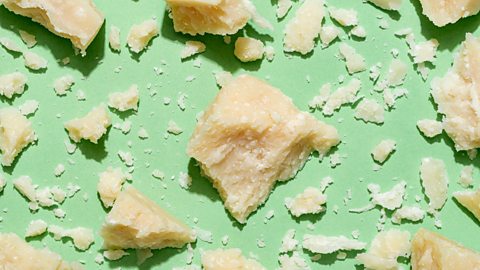
Calcium-rich foods
Because most stones are made of calcium, there’s confusion over whether you should eat much of it.
“People believe they should avoid calcium, but the opposite is true. Calcium is protective,” says Dukic, as it stops oxalates being absorbed into the blood and passed into the urine.
“It’s better to get calcium from food sources (like dairy or fortified foods) rather than from supplements, which have been linked to a higher stone risk if not taken correctly with meals.”
Fruit and vegetables
“A diet with lots of fruit and fibre lowers the risk of being admitted to a hospital with kidney stones. Generally, we would also recommend eating five portions of fruit and vegetables a day.
“Also, adding lemon or lime juice to food or drink is thought to be beneficial as it contains citrate, which is a natural stone inhibitor.”
The NHS says to add 60ml of juice per litre of water.
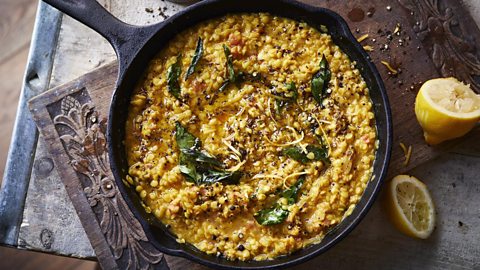
Lemon pepper tarka dal | Save to Your Favourites now
This daal is packed with fibre due to the lentils and comes with lemon juice squeezed into it. Could the two combined help prevent kidney stones?
Should men be especially careful?
“Men are two to three times more likely to get kidney stones over the course of their lifetime,” says Dukic.
“Men typically have a higher intake of animal protein and salt. However, their increased risk is also likely influenced by biology and genetics.
“Men are more likely to develop metabolic disorders such as obesity and diabetes at a younger age and excrete more calcium and oxalate in their urine.
“A balanced diet with a high fluid intake is the best defence against kidney stones for all genders.”
Disclaimer: This article is not a substitute for proper medical diagnosis or dietary advice given by your doctor and dietitian. Please contact your GP for tailored support and advice.
Originally published October 2025
Want more? Visit BBC Food on Instagram, Facebook and Pinterest or watch the latest Food TV programmes on BBC iPlayer.