From turkey to tatties: how to defrost food quickly and safely this Christmas
When it comes to prepping ahead and saving on waste at Christmas, your freezer is your friend. But how can you defrost food quickly, safely and without ruining it?
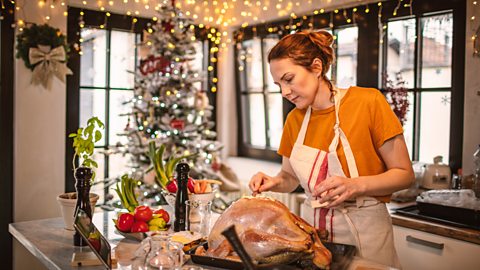
A well-stocked freezer can be a huge time and money saver – especially during the festive season. It’ll let you prep in advance and keep foods fresh for the big day.
As a recipe developer and author with a special interest in freezing, I’ve frozen and thawed thousands of foods, and learnt a lot in the process.
Top freezing tips for Christmas
The festive season can put extra pressure on many of us in the kitchen. Here are some tips for eliminating stress by maximising the benefits of your freezer.
- Free up storage space by asking people who are joining you on the big day to store a few items in their freezer for you.
- Create more room in your freezer by doing a stocktake of what’s in there and eating what you can in advance.
- Consider using more foods that can be cooked from frozen, so there’s less to remember to thaw and find space for in the fridge.
- Choose a turkey breast joint or crown instead of a whole turkey – they can still feed a crowd but will take up less space and defrost much more quickly.
How to defrost Christmas foods
So, you have a freezer full of rock-solid, ice-cold food. What now? Can you just cook it from frozen? Is thawing in the microwave an option? Here’s how to handle classic Christmas foods to get them ready to eat.
Turkey Thaw in the fridge for several days or cook from frozen if recommended on the pack. You can roughly work out how long a turkey or joint will take to defrost by thawing in the fridge for 10-12 hours per kilogram. So, a 6kg turkey would take around two and a half days.
Other meats Thaw in the fridge for a day or two
Pigs in blankets Thaw overnight in the fridge or cook from frozen
Stuffing Thaw in the fridge or cook from frozen
Roast potatoes and root veg Cook from frozen
Gravy Reheat from frozen if packaged in a shallow container, or thaw in the fridge for a maximum of 24 hours before reheating thoroughly
Yorkshire puddings Cook from frozen
Frozen vegetables Cook from frozen
Cranberry sauce Thaw in the fridge overnight and stir well
Homemade desserts Thaw in the fridge for around five hours or overnight, and serve the same day they’re defrosted
Brandy butter Thaw in the fridge overnight and beat well before serving
Perfect roast turkey
Make sure you take your turkey out of the freezer and put it into the fridge in plenty of time
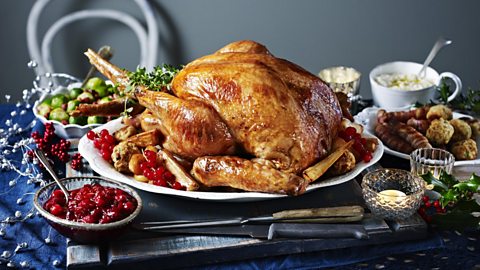
It’s worth making absolutely sure that your poultry or meat joint is thoroughly defrosted before you put it in the oven – if it’s still frozen in the centre, this can really throw off the cooking time.
Meat should be flexible with no hard areas. If it’s a whole bird, give the legs a wiggle to check they move fairly easily, and look for ice crystals or solid areas in crevices and the cavity. It’s worth checking for packets of giblets too – be sure to remove them before cooking.
My ultimate guide to defrosting all foods, year-round
Different foods need different treatment when they come out of the freezer. Whatever tactic you’re using, from thawing in the fridge to using the microwave, it’s worth remembering the larger and denser something is, the longer it will take to defrost.
To shorten the defrost time, use wider, shallower dishes or divide items into smaller portions before freezing. Flattening food in zip-locked bags helps things to freeze and thaw quickly and saves freezer space, too.
Defrosting in the fridge
The safest way to defrost food is in the fridge, although this will slow down the thawing process. One day (24 hours) should be enough time to defrost most items, but plan for up to three days for very large joints of meat or whole turkeys – they take far longer than you’d think.
Top tips
- Place containers or bags on a tray to catch any drips and keep on a low shelf so splashes can’t reach other foods. This is especially important with raw meat and fish.
- Never overcrowd your fridge to ensure it keeps food at 0-5°C.
- If plans change, don’t forget that you can cook your fridge-thawed food the following day instead.
Foods to defrost in the fridge
- Meat and poultry, including large joints and whole birds
- Fish and seafood
- Cheese
- Family-sized servings of cooked dishes, such as casseroles and curries
- Homemade creamy cold desserts
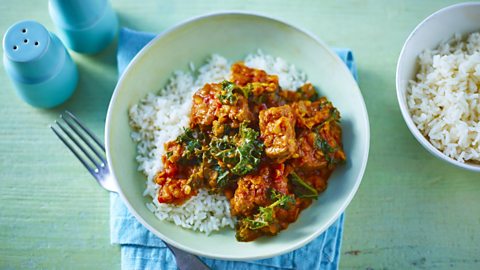
Lamb and lentil curry
Curries are great to defrost in the fridge
Cooking from frozen
Many foods can be cooked directly from frozen. It’s safe because the food won’t be spending time at temperatures where bacteria could multiply rapidly.
Avoid this method for dishes that contain joints of chicken, large chunks of meat or delicate vegetables or fish that could be damaged by regular stirring.
Top tips
- Choose freezer-to-oven containers, such as toughened glass or foil, so there’s no need to transfer.
- Add roughly 50% onto the standard cook time but check regularly.
- On the hob, use a wide-based pan, adding a splash of water if necessary. Stir regularly, so the food is heated thoroughly without any cold spots.
- If using the oven – cook until the dish is piping hot throughout. Cover tops of things like lasagne or fish pie with foil if they begin to overbrown before the centres are piping hot.
- Use a digital food thermometer (probe) to check the temperature of food in several places before serving. A minimum of 75C will ensure it is thoroughly cooked or reheated. This is particularly important for meat.
Foods that cook well from frozen
- Soups
- Saucy or mince-based recipes
- Shop-bought items designed for cooking from frozen
- Small pieces of meat or chicken
- Small fish fillets
- Fruit crumbles
- Pies and pastries
- Frozen vegetables
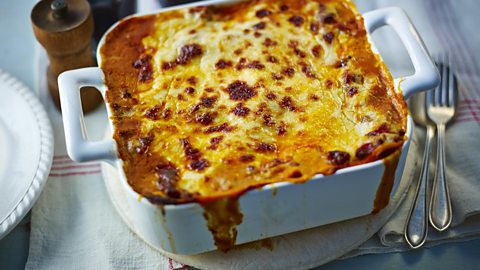
Lasagne al forno
You can cook this family dinner directly from the freezer if you stored it in an oven-ready dish
Defrosting in the microwave
The defrost setting on your microwave can really slash thawing times. A frozen chicken breast could be thawed and ready to cook in around 10 minutes instead of several hours in the fridge.
It can be tricky working out how long to microwave before raw food begins to cook and not just defrost, though. There are likely to be cold spots where microwaves don’t penetrate food as effectively, so be prepared to move and stir food regularly.
Once you have defrosted in the microwave, you’ll need to cook the food immediately.
Top tips
- Don’t overcrowd your microwave and keep items spread out so that they thaw evenly, work in batches if you need to.
- Place items such as raw chicken breasts or lamb chops in a single layer on a microwavable plate. Cover and defrost in 1-2-minute bursts, turning or moving around the plate regularly. (Clean your microwave thoroughly after defrosting raw foods.)
- Instead of thawing and then reheating cooked meals, such as individual portions of a casserole, curry, frozen vegetables or rice, cook on full power right from the start. Microwave in stages, with time to stir and allow the heat to move through the dish before continuing. Always check food is piping hot throughout before serving.
Foods to defrost or cook from frozen in the microwave
- Small portions of meat or fish
- Ready meals or individual portions of home-made dishes
- Ready baked jacket potatoes
- Frozen vegetables
- Frozen cooked rice
Double-baked potatoes
Pre-baked jacket potatoes are great to defrost in the microwave

Defrost in cold water
When time is tight, thawing foods in cold water works, although I don’t do this for more than an hour. Use this method for foods you’re cooking immediately.
Ensure your food is well wrapped and completely sealed – a plastic bag is great – with as little air inside as possible, then place in a sink, or large bowl and submerge in plenty of very cold tap water. Drain every 20 minutes and refill with more cold water.
This tactic should see a single steak or chicken breast thaw in less than an hour. It’s a useful method for defrosting small pieces of meat or an unopened pack of bacon, but is a bit more hassle.
Top tips
- Thaw using this method for two hours max.
- Clean your sink or bowl thoroughly before and after defrosting.
Foods to defrost in cold water
- Small joints of meat
- Individual steaks or chicken breasts
- Small fillets of fish or prawns
Defrost at room temperature
This is only suitable for low-risk foods, such as bread, cakes and biscuits. Simply remove from the freezer and take out of any icy packaging that could release moisture. Cover loosely and thaw until ready to serve.
Bread products like pitta bread benefit from toasting before serving, but a standard loaf or sponge cake can be sliced as soon as it has thawed.
Top tips
- Make sure any foods you aren’t going to cook have been frozen in well-sealed bags or containers away from foods that could contaminate them.
Foods to defrost at room temperature
- Bread, pitta, flatbreads
- Cakes without dairy fillings or icings
- Some frozen desserts – check the packaging
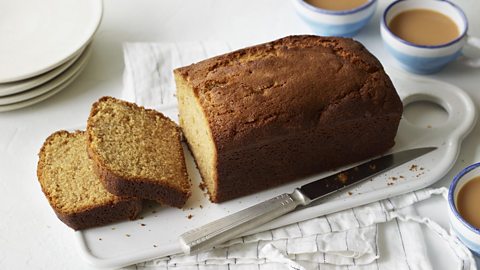
Easy ginger loaf cake
A non-iced cake can be defrosted at room temperature
Stay out of the danger zone
While it’s tempting to leave frozen food on the kitchen worksurface to thaw quickly, it’s not a good idea. There is a temperature range of 8-63°C when some food is said to be in the ‘danger zone’, allowing harmful bacteria to multiply quickly. Food poisoning can be extremely dangerous, so it pays to be careful.
Originally published December 2024
Want more? Visit BBC Food on Instagram, Facebook and Pinterest. Want to watch the latest Food TV programmes? Visit BBC iPlayer.