What is ‘food noise’ and how can you stop it?
Always thinking about food, second-guessing your choices and feeling overwhelmed by cravings? Here’s what you need to know.

Trigger warning: This article references disordered eating and weight-loss
The idea of ‘food noise’ isn’t new, but the phrase itself only started gaining traction in 2023.
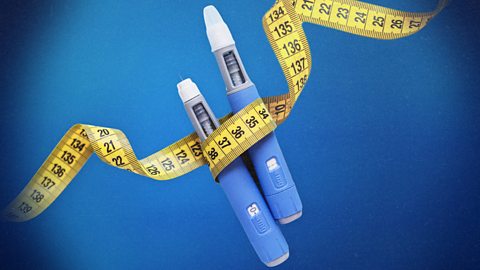
That’s when GLP-1 injections (like Wegovy and Mounjaro) became available as weight loss treatments in the UK, promising to help quiet people’s internal chatter around food.
What is food noise?
“Historically, we would have referred to the experience of food noise as ‘food preoccupation,’ ‘obsessive thoughts,’ ‘cravings,’ or ‘disordered eating cognitions’,” says psychologist and disordered eating specialist Dr Charlotte Ord.
“Essentially, it refers to persistent, intrusive or repetitive thoughts about food.”
That could be obsessing over what to eat next, feeling preoccupied by food or dieting, avoiding certain foods or developing rigid eating habits or rules.
“For me, it is intrinsically linked to exposure to diet culture messaging and the practice of dieting itself,” says Ord.
“We tend to become preoccupied with food when we experience food restriction through dieting. Our brains are wired to perceive this as famine – which is a potential threat. This drives our focus to renourishment, even when food isn’t environmentally scarce.”
Related stories
The difference between regular food thoughts and food noise
Thinking about food is very normal. Most of us will mull over what to have for dinner, notice when we’re feeling hungry and full, and look forward to a delicious meal.
“Food noise, on the other hand, is persistent and intrusive,” says Ord. “It shows up when you aren’t hungry – sometimes even when you’re full – and is often very emotionally charged.
“It can be accompanied by guilt, obsessions or preoccupation. It interferes with quality of life in a way that normal, healthy thoughts about food do not.”
Panorama: Weight Loss Jabs and the NHS | Add to your iPlayer watchlist
Panorama has exclusive access to one of the UK’s top hospitals as it rolls out Wegovy, also known as Ozempic
Signs you are experiencing food noise
“Someone who is struggling with food noise will usually find it very distracting and have trouble concentrating at work or being present with loved ones,” says Ord.
They might overthink their food choices too, asking themselves questions like, ‘Shall I have this? Will I feel bad about it? Is it healthy? Shall I have another one?’.
“They will often feel a lot of guilt, shame and anxiety around their food choices and this is often accompanied by disordered eating behaviours and difficult thoughts around their shape and weight.
“Sometimes, it features alongside excessive exercise or is exacerbated by heavy involvement in fitness environments that often encourage rigid ways of eating and training.”
How do weight-loss jabs stop food noise?
Dr Jack Mosley, GP and author of Food Noise, explains weight-loss medications work in two ways.
“There are two types of eating that impact how much and how often we eat. You’ve got hunger-induced eating – when you haven’t eaten for three or four hours and you want that next meal. And you’ve got reward-based eating – that’s where you get feelings of pleasure from the thought or act of eating.
“The weight loss drugs seem to work for both of these categories. They reduce your appetite – in your brain and in your gut – but they also seem to curb reward-driven eating.
“Some of the hormones involved in rewards such as dopamine are dialled down, meaning people experience less anticipation and excitement from eating.
“As an example, think of being in a petrol station and seeing a packet of your favourite sweets and feeling tempted to buy it, or smelling fast food and feeling the urge to go and get some for yourself. These sensations are reduced when you’re on the medication – and if you do have any, you’re more satisfied with a smaller amount.”
What happens when you stop the weight-loss medications?
Mosley likens weight-loss injections to noise-cancelling headphones – you put them on and can go about your day without being constantly distracted by food noise.
“But ultimately, when you take them off, that noise returns with a vengeance.
“The research shows that when people come off these new weight loss medications, they regain two thirds of the weight they lost within the first year. And by 20 months they have normally regained all of it.”
That’s why, if you’re on weight loss medication, Mosley says it’s crucial to use that time and headspace to make sustainable, long-term changes to your lifestyle, ingraining healthy eating habits that you can stick to without medication.
How to stop food noise
There are lots of things you can do to help dial down the volume of food noise, says Ord and Mosley. Here’s what they recommend.
Get organised
“Once a week, get all your food in and plan your week’s meals. So, when you’re stressed, you don’t revert to the default setting you previously had,” says Mosley.
When it comes to your meals Ord adds: “Eat regular, consistent meals every few hours to keep hormone levels stable. Ensure this includes a balance of carbohydrates, protein and fats to support appetite regulation. Do not skip meals!”
“Diets such as the Mediterranean-style diet, which include plenty of protein, healthy fats, fibre and complex carbs, will help,” adds Ord.
Save these Mediterranean diet recipes to Your Favourites
With plenty of fibre, protein and other key nutrients, the Mediterranean diet is linked to many health benefits including increased satiety

Don’t rely on willpower
“Willpower is somewhat overrated,” says Mosley. “When we see food, we want it. So clear out your cupboards of addictive foods. Replace them with whole foods.”
That said, if you do occasionally have something that’s high in calories, like a chocolate bar, Mosley urges you to be kind to yourself. It doesn’t mean you’ve failed.
Stop labelling food as good or bad
“Drop food restriction,” says Ord. “Moralising food and thoughts around food restriction are just as likely to trigger food noise as physical restriction. The brain becomes focused on what is off limits and perceives this as a threat.
“So, be mindful of the language you use around food and try to remove good or bad, healthy or unhealthy moralisations. Try to notice when you have thoughts like, ‘I shouldn’t eat that’ or ‘I’m not allowed snacks’. This all encourages restrictive eating and, in turn, food noise.”
Be mindful
“Practice a mindful pause whenever you notice food noise showing up and tune in to what you really need in that moment,” says Ord. “Is it food? Comfort? Entertainment? Social connection? A break? There are many different forms of nourishment.”
Mosley adds: “Stress drives food noise – it drives cravings and it drives overeating. So, find ways to relieve that stress without turning to food. It could be exercise, meditation, any hobby that you enjoy. This can make a big difference.”
If you’re worried about food noise
There’s help and support available.
“Experiencing food noise doesn’t mean there’s something fundamentally wrong with you, nor does it have to last forever,” says Ord.
“Food noise is a sign that your brain is doing exactly what it’s designed to do – keep you safe. When your brain thinks there’s a chance of famine or only knows how to soothe distress by regulating itself with food, it will drive you to focus on it.”
Healing from food noise means rebuilding your relationship with food, understanding your emotional needs and learning to nourish yourself in ways that go beyond eating, says Ord – that will quiet the food noise and let you put food back in its rightful place.
Originally published July 2025
Want more? Visit BBC Food on Instagram, Facebook and Pinterest or watch the latest Food TV programmes on BBC iPlayer.