
|
 |
 |
|
|
|
|
|
|||||||||||||||||||||||||||||||||||||||||||||||||||||||||||||||||||||||||||||||||||||||||||||||||||||||||||||||||||||||||||||||||||||||||||||||||||||||||||||||||||||||||||||||||||||||||||||||
|
|
|
You are in: UK | |||||||||||||||||||||||||||||||||||||||||||||||||||||||||||||||||||||||||||||||||||||||||||||||||||||||||||||||||||||||||||||||||||||||||||||||||||||||||||||||||||||||||||||||||||||||||||||||||
|
|
|
Wednesday, 23 October, 2002, 01:33 GMT 02:33 UK
How El Alamein changed the war

After the Battle of Britain had come the Blitz; I well remember growing up in Brighton. We would shelter from bombs for days or nights on end.
The British seemed to keep losing battles; we were always on the defensive. Needing a victory Germany had invaded Greece and Yugoslavia. Hong Kong had surrendered to the Japanese, who also captured Singapore. Our battleships the Prince of Wales and Repulse had been sunk. U-boats started sinking ships in the Atlantic which were bringing us food and arms. And bombing at home was continuing - more than 1,000 bombers attacked Canterbury in June 1942. Thousands of Canadians were killed in the raid on Dieppe.
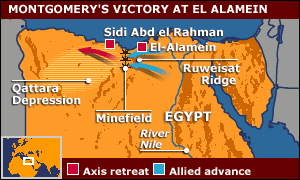
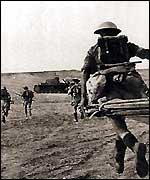
The longed-for breakthrough came after the start of the Battle of El Alamein on 23 October 1942. El Alamein is in Egypt, about 50 miles from Alexandria and on the east of the Mediterranean. It's a good place to have a swim and get refreshed from the sand and dust you had collected on whatever journey you were on. Most important, as El Alamein is by the sea, ships can unload and cargo can then go on to the trains.
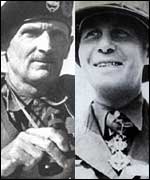
At that time in North Africa, the Eighth Army - "The Desert Rats" - seemed to be holding ground against the Germans. There were many casualties from skirmishes, but it looked like the allies were in good force. However in January 1942, the Germans under Rommel opened a second offensive, and the Allied losses started again. When Tobruk fell, 30,000 men were captured, many of them South Africans.
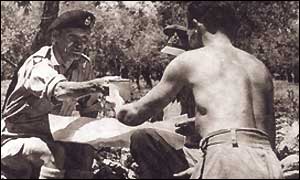
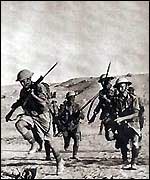
Montgomery had the reverse plan and wanted somehow to get through the mine fields and attack through the German lines - going west and, hopefully, carrying on through Libya and Tunisia and onwards, eventually leaving the Afrika Korps out of North Africa. At home, first reports in the papers and on the radio were conservative about what was happening. On 24 October, the Times said: "The latest information from the western desert, is that apart from patrol activities, there is nothing to report." However, the next day, it said that "at night the guns have made a barrage like an earthquake". The correspondent wrote: "A man told me that the Germans and Italians alike were badly shaken by the heavy barrage which the Eighth Army attack opened." On the 27th, the paper said: "Eighth Army holding on to new positions - 1450 Axis prisoners taken." The next day said: "Allied progress in desert battle," and on the 29th it said "Axis forces hurled back!" They also said the RAF had had victories in the air and was now getting on top in the air battle. Delight Eventually, from this victory at El Alamein, in three months we had swept from the east to where they met a British and American fleet at Tripoli. In history, Winston Churchill would write in The Hinge of Fate his famous verdict: "Before Alamein we never had a victory. After Alamein, we never had a defeat." At that time, at home, everyone was of course delighted by the news. In the UK, many church bells rang for the first time since the beginning of war - they were usually silenced, only to be rung if the Germans had invaded. The pubs were now full - people now savouring the taste of victory. Although it was early days, everyone needed to know that this might be the turn of the tide in the war. At last it was time to enjoy these special victory days and at home we had a big party, as did people in thousands of homes throughout the country. We children were allowed to stay up, while our home was filled with relatives, friends and people we had only known recently.
I would remember this party, two-and-a-half years later, when we celebrated again. That time the celebrations were for victory in Europe on VE Day. But at the time, I listened to the loud talking and happy laughter of celebrating adults, as their drinks flowed too generously. Everyone we met, whether we knew them or not, seemed to be part of a huge family party, which in way we were. David Knowles is author of With Resolve - With Valour, and Escape from Catastrophe - 1940 Dunkirk.
|
|
Internet links:
 The BBC is not responsible for the content of external internet sites Top UK stories now:
Links to more UK stories are at the foot of the page.
|
|||||||||||||||||||||||||||||||||||||||||||||||||||||||||||||||||||||||||||||||||||||||||||||||||||||||||||||||||||||||||||||||||||||||||||||||||||||||||||||||||||||||||||||||||||||||||||||||
|
 |
|
 E-mail this story to a friend E-mail this story to a friend |
 |
|
|
Links to more UK stories |
|
|
|
||
 |
||||
 |
|
Back to top
|
||
|
----------------------------------------------------------------------------------
To BBC Sport>> | To BBC Weather>> | To BBC World Service>> ---------------------------------------------------------------------------------- © MMIII | News Sources | Privacy |
~RS~a~RS~International~RS~q~RS~~RS~z~RS~44~RS~)




 I would remember this party, two-and-a-half years later, when we celebrated again